
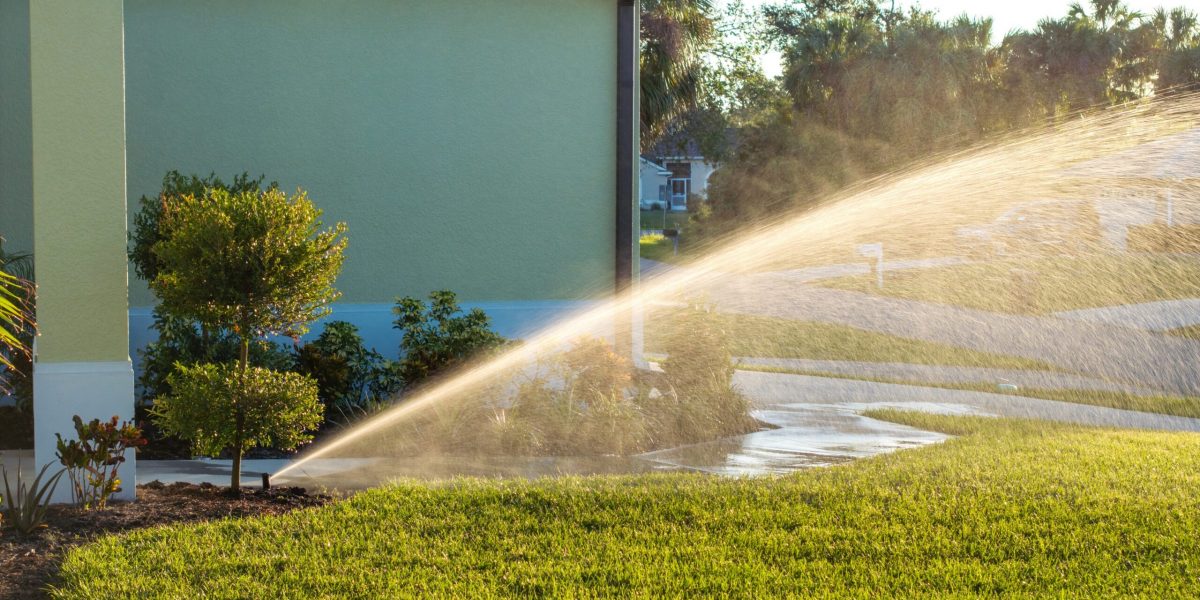
Keeping your lawn healthy requires the right balance of water, sunlight, nutrients, and proper maintenance. In Houston, where rainfall can vary significantly throughout the year, managing lawn irrigation can be challenging. One week may bring several days of heavy rain, while the next may be hot and dry. Without a way to respond to changing weather conditions, your sprinkler system may continue running even when your lawn has already received enough water.
A rain sensor for sprinkler system helps solve this problem by detecting rainfall and temporarily interrupting scheduled irrigation when conditions are wet enough. Instead of relying entirely on a preset watering schedule, homeowners can use rain sensors to make their irrigation systems more responsive to the weather.
For homeowners in the Houston area, this small device can make a meaningful difference in water conservation, lawn health, and irrigation efficiency. Whether you have St. Augustine, Bermuda, or zoysia grass, a properly functioning rain sensor can help prevent unnecessary watering and support a healthier lawn.
Understanding how rain sensors work, why they matter, and how to maintain them can help you get more out of your irrigation system.
How Does a Sprinkler Rain Sensor Work? 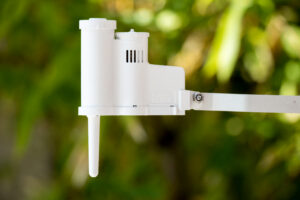
A sprinkler rain sensor communicates with your irrigation controller to pause scheduled watering when sufficient rainfall has occurred. Depending on the sensor’s design, it may measure accumulated rainfall or respond to moisture-sensitive materials that expand when wet.
When the sensor detects enough rain, it signals the sprinkler controller to suspend irrigation. Once conditions dry out and the sensor resets, the controller can resume its normal watering schedule.
Most residential rain sensors fall into two general categories:
- Water-collection sensors: These devices collect rain in a small container and activate when the accumulated rainfall reaches a set level
- Moisture-responsive sensors: These use moisture-sensitive discs or similar components that expand when wet and trigger a switch to interrupt irrigation.
Both types are designed to help prevent sprinklers from running unnecessarily during or shortly after rainfall.
However, a rain sensor does not necessarily measure how much moisture is available in the soil around your grass roots. It responds to rainfall at the sensor’s location, which means your lawn may still need water after a brief shower, particularly during hot weather. Conversely, some areas of your lawn may remain saturated even after the sensor has reset.
Why Your Lawn Needs a Rain Sensor
Rain sensors offer several benefits for homeowners who want to manage their lawn irrigation more effectively.
1. Prevents Unnecessary Watering
One of the most important benefits of a sprinkler rain sensor is that it helps prevent irrigation when rainfall has already supplied sufficient water.
Without a sensor, a sprinkler controller may follow its programmed schedule regardless of the weather. If your system is set to run early in the morning after a night of heavy rain, it could apply more water than your lawn needs.
Excess water can contribute to runoff, soggy soil, drainage problems, and increased pressure on your lawn’s root system. In areas with poor drainage or compacted soil, these issues can be particularly noticeable.
By pausing irrigation when appropriate, a rain sensor helps your lawn receive water when it is needed rather than simply when the controller says it is time.
2. Helps Conserve Water
Water conservation is another major advantage of installing an irrigation rain sensor.
Sprinkler systems can use substantial amounts of water, particularly during Houston’s hot summer months. When irrigation continues during rainy weather, homeowners may waste treated water that could have been conserved.
A properly installed and maintained sensor helps reduce unnecessary watering by allowing rainfall to influence the irrigation schedule. This can support more efficient water use without requiring you to manually adjust your sprinkler controller every time a storm passes through.
Although the amount of water saved depends on rainfall, system settings, and lawn conditions, avoiding unnecessary irrigation is a practical step toward a more efficient landscape.
3. Supports Better Lawn Health
More water does not always mean healthier grass. In fact, overwatering can create conditions that encourage certain lawn diseases and weaken turf over time.
When soil remains excessively wet, grass roots may struggle to receive enough oxygen. Prolonged moisture can also increase the risk of fungal problems, especially when combined with warm temperatures, poor airflow, and other environmental stressors.
A rain sensor helps reduce the likelihood of watering on an unnecessary schedule. However, it is not a substitute for proper irrigation practices, good drainage, or monitoring your lawn for signs of stress.
The goal is to provide enough moisture to support healthy growth without keeping the soil consistently saturated.
4. Reduces Manual Irrigation Adjustments
Houston weather can change quickly. A sunny forecast in the morning may give way to afternoon thunderstorms, making it difficult to manage irrigation schedules manually.
A rain sensor automates one part of that process. Once installed and properly configured, it can interrupt scheduled watering when sufficient rainfall occurs.
This can make lawn care more convenient, especially for homeowners who travel frequently or do not want to adjust their sprinkler controller every time it rains.
Rain Sensors and Smart Irrigation Systems
A rain sensor can also be an important component of a smart irrigation system.
Traditional sprinkler controllers operate according to programmed schedules. While these schedules can be effective when configured correctly, they do not always account for changing weather conditions unless paired with additional technology.
Smart irrigation systems may use weather data, rainfall sensors, soil moisture sensors, or other information to adjust watering schedules more intelligently.
For example, a weather-based controller may use local weather information to determine whether irrigation should be delayed. A rain sensor can provide a separate signal that interrupts watering after rainfall is detected.
Soil moisture sensors work differently. Instead of measuring rainfall directly, they monitor moisture in the soil and help determine whether additional irrigation is necessary.
Each technology offers different advantages. A basic rain sensor can be a useful addition to an existing sprinkler system, while a more advanced smart irrigation system may provide additional scheduling and monitoring features.
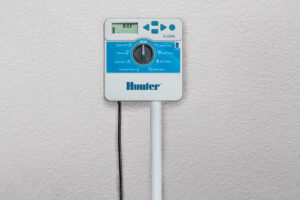
The best option depends on your lawn’s needs, the capabilities of your existing equipment, and your irrigation goals.
It is also important to remember that technology cannot correct every irrigation problem. Poorly positioned sprinkler heads, leaking pipes, incorrect watering schedules, and uneven coverage can still waste water even when a rain sensor is installed.
Common Sprinkler Rain Sensor Problems
Like other irrigation components, rain sensors can develop problems over time. If your sprinkler system continues watering during rainy weather or fails to resume after conditions dry out, the sensor may need attention.
Here are some common issues homeowners may encounter.
The Sprinklers Keep Running When It Rains
If your sprinklers continue operating during rainfall, several issues could be responsible:
- The rain sensor may be disconnected from the irrigation controller.
- The sensor may be incorrectly installed or configured.
- Debris or damage may prevent the sensor from detecting rainfall properly.
- The irrigation controller may not be compatible with the sensor or may be configured incorrectly.
- The sensor’s bypass setting may be enabled, preventing it from interrupting irrigation.
Start by checking the controller settings and confirming that the sensor is enabled. Consult the manufacturer’s instructions before changing wiring or making adjustments.
If the system still runs during wet weather, a professional irrigation inspection can help identify the cause.
The Sprinklers Will Not Turn Back On
A rain sensor should generally allow irrigation to resume after it dries out and resets. However, some sensors remain activated longer than expected, particularly after heavy rainfall or in humid conditions.
Check whether the sensor is still wet and whether its settings are appropriate for your lawn and local weather. Also confirm that the irrigation controller has not been manually turned off or placed in a different operating mode.
If the sensor appears dry but the sprinkler system will not resume, the issue could involve the sensor, controller, wiring, or another irrigation component.
The Sensor Does Not Detect Rain
A rain sensor may fail to respond if it is obstructed, damaged, incorrectly positioned, or experiencing an electrical problem.
Its placement matters. A sensor installed beneath a roof overhang or in a location sheltered from rainfall may not accurately reflect the conditions affecting your lawn.
Inspect the device for visible obstructions and follow the manufacturer’s maintenance recommendations. If it still fails to respond correctly, testing or replacement may be necessary.
The Sensor Triggers Too Easily
Some homeowners find that their sensor interrupts irrigation after a small amount of rain, even when parts of the lawn remain dry.
This can happen because rainfall at the sensor’s location does not always match the amount of water reaching every part of the landscape. Sensor settings may also affect how much rainfall is needed to pause irrigation.
Adjustments should follow the manufacturer’s instructions and account for your lawn’s drainage, soil conditions, and watering needs. Avoid disabling the sensor simply because the sprinkler system pauses more often than expected.
Where Should a Rain Sensor Be Installed?
Correct placement is essential for reliable performance.
A rain sensor should generally be installed in an exposed location where it can receive rainfall without being sheltered by a roof, tree canopy, or other obstruction. It should also be positioned where surrounding structures and vegetation will not significantly interfere with its ability to respond to weather conditions.
At the same time, the device should be installed according to its manufacturer’s specifications. Different sensor designs may have specific mounting, exposure, and wiring requirements.
Homeowners should also consider accessibility for inspection and maintenance. A sensor that is difficult to reach may be more likely to go unchecked when problems develop.
Professional installation can help ensure the sensor is compatible with the existing controller, correctly connected, and positioned to operate as intended.
Are Rain Sensors Worth It for Houston Homeowners?
For many Houston-area homeowners, a rain sensor is a practical addition to an irrigation system.
The region’s weather can bring heavy rainfall, periods of high humidity, and long stretches of hot conditions. These changing conditions make it important to avoid following a rigid watering schedule without considering what the lawn actually needs.
A rain sensor helps address one part of that challenge by interrupting irrigation when sufficient rainfall is detected. It can be particularly useful during rainy periods when a programmed sprinkler schedule might otherwise run unnecessarily.
However, rainfall alone does not determine whether your lawn needs water. Soil type, drainage, grass variety, recent weather, and root development all influence how quickly the soil dries.
St. Augustine, Bermuda, and Zoysia lawns may have different watering needs depending on their condition and growing environment. Shaded areas may dry more slowly than grass near pavement, while compacted or poorly drained sections may hold water longer than other parts of the yard.
A rain sensor should therefore be viewed as one part of a complete irrigation strategy rather than a replacement for thoughtful watering practices.
Homeowners can improve efficiency further by checking sprinkler coverage, repairing damaged heads, correcting leaks, and adjusting watering schedules as seasonal conditions change.
How to Maintain Your Sprinkler Rain Sensor
Routine inspection helps ensure your rain sensor continues to operate as intended.
Consider these maintenance steps:
- Inspect the sensor regularly. Look for visible damage, obstructions, or signs that the device has become loose.
- Keep the sensor exposed. Trim nearby vegetation if it begins blocking rainfall from reaching the device.
- Check controller settings. Make sure the sensor is enabled and that the irrigation controller recognizes it.
- Test the system periodically. Follow the manufacturer’s instructions to verify that the sensor interrupts irrigation when activated.
- Watch for unusual watering patterns. If your sprinklers operate during rainy conditions or remain off after the sensor dries, investigate the issue.
- Schedule professional inspections when needed. Electrical problems, controller compatibility issues, and persistent sensor failures may require professional attention.
A little preventative maintenance can help reduce water waste and keep your irrigation system working more reliably.
Make Your Irrigation System Work Smarter
A rain sensor for a sprinkler system is a simple way to make lawn watering more responsive to changing weather conditions. By helping prevent unnecessary irrigation, it can conserve water, reduce overwatering, and support healthier turf.
For Houston homeowners, the greatest benefit comes from combining rain sensors with proper sprinkler maintenance, effective coverage, and a watering schedule that reflects the lawn’s actual needs. Even a smart irrigation system performs best when its components are working correctly.
GreenGate Turf, Pest, & Irrigation can help you take a closer look at your lawn’s irrigation needs. If your sprinklers continue running during rainfall, fail to provide consistent coverage, or seem to be wasting water, our team can help you identify potential problems and determine whether your system needs attention.