
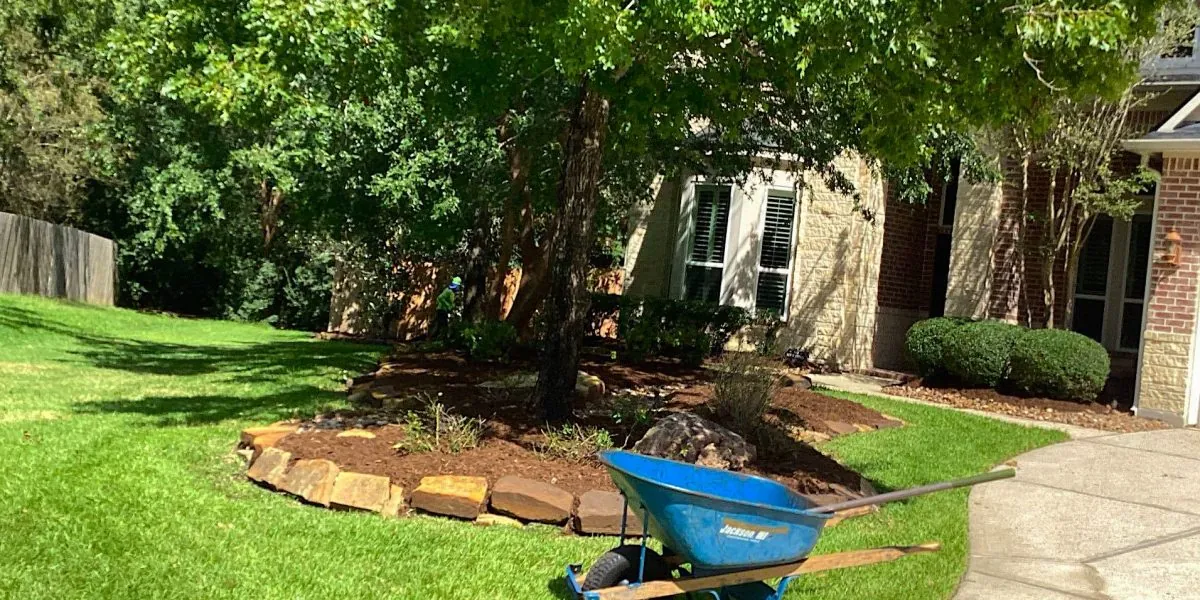
When winter rolls into the Houston area, many homeowners start wondering what they should be doing—or not doing—to protect their landscapes. One of the biggest questions we hear at GreenGate Turf & Pest is: “Is mulch actually helping or hurting my flower beds in winter?”
The short answer? Mulch is absolutely one of the best things you can do for your beds during colder months. But only when it’s done correctly. Poor mulch choices or improper installation can actually create problems, from pest activity to root suffocation to fungal issues.
In this guide, we’ll break down the right way to mulch, the wrong way to mulch, and how to make sure your flower beds stay healthy, protected, and beautiful all winter long.
Let’s dig in!
Why Mulching Flower Beds for Winter Matters
Mulching flower beds for winter is more than just a landscaping trend—it’s a protective strategy. Even in Houston, where winters are mild compared to the rest of the country, your soil and plants face temperature swings, moisture loss, weed germination, and potential root stress.
Adding winter mulch helps:
1. Insulate the Soil
Houston winters can bounce between 80°F and freezing in just a few days. Mulch acts like a blanket, preventing rapid temperature changes that can shock roots or cause premature spring growth.
2. Protect Plant Roots
Roots near the surface are especially vulnerable during cold snaps. A proper layer of mulch keeps them insulated, healthy, and hydrated.
3. Retain Moisture
Even though winters here are often humid, the soil can still dry out—especially after windy fronts. Mulch helps keep moisture levels stable so plants don’t stress.
4. Improve Soil Quality
Organic mulches slowly break down and enrich the soil with nutrients, keeping your flower beds healthier over time.
5. Reduce Winter Stress on Perennials
Perennials, shrubs, and young plants benefit hugely from winter mulch because it keeps soil temperatures more consistent.
Does Mulch Help with Weeds? Absolutely.
One of the biggest winter questions we hear is: “Does mulch help with weeds?”
Yes—it does, and quite effectively.
Weed seeds germinate when they get sunlight and favorable soil temperature. Winter mulch:
- Blocks sunlight from reaching the soil
- Helps prevent early-season weed germination
- Keeps dormant weeds from waking up too early
- Reduces the overall number of weeds for spring
Using mulch as a weed-control tool is one of the simplest, most affordable methods available—and it pairs perfectly with a professional weed control program.
But… Can Mulch Hurt Your Flower Beds?
Mulch is beneficial, but only when it’s done properly. These are the most common issues we see in Houston landscapes:
1. Mulch Volcanoes Around Trees
This happens when mulch is piled high around a tree trunk. It traps moisture, causes rot, attracts pests, and suffocates the root flare.
Rule of thumb: Never pile mulch against trunks or stems—keep a small gap where the bark can breathe.
2. Too Much Mulch
More is not better.
A mulch layer deeper than 3 inches can:
- Smother roots
- Encourage fungal growth
- Trap too much moisture
- Attract pests like roaches and termites
3. Using the Wrong Type of Mulch
Not all mulch is equal. Some bargain-grade mulches contain fillers, dyes, wood scraps, or even repurposed pallets treated with chemicals. These can damage soil quality or fade quickly.
4. Old Mulch Build-Up

If you don’t remove or loosen old compacted mulch, the new layer will sit on top like a blanket of wet cardboard. That prevents oxygen from reaching plant roots.
5. Mulch That Touches Your Home
Mulch that touches siding or gets too close to the foundation can attract pests. Termites, roaches, ants, and earwigs all love damp organic material.
At GreenGate, we always maintain a safe buffer during mulch installation to protect homes and discourage pest activity.
The Best Mulch for Flower Beds in Houston

Choosing the best mulch for flower beds comes down to long-term performance, appearance, and soil health.
Here are our top recommended options:
1. Premium Native Mulch (Customer Favorite!)
If you want a mulch that goes beyond “looking nice” and actually feeds your landscape, this is the one. Our Premium Native Mulch is a favorite among customers who are “in the know” because it’s truly a soil-building powerhouse.
Here’s what sets it apart:
- Made from locally sourced native trees
- Boasts a 4:1 beneficial fungus ratio
- Naturally high in nitrogen
- Double-processed to a perfect medium texture
- Composted for 6 months to kill weed seeds and insects
- Incredible for woody plants, shrubs, and perennial beds
This mulch doesn’t just sit on top of your flower beds—it actively improves them. As it breaks down, it feeds the soil, supports beneficial microbes, and helps your plants establish stronger root systems. If your goal is long-term soil health, Premium Native Mulch is tough to beat.
2. Native Ground Mulch
Our Native Ground Mulch is another excellent all-around choice for Houston flower beds. It provides a classic, natural look while delivering the practical benefits homeowners rely on.
Native Ground Mulch offers:
- Sustainable, locally sourced materials
- A texture that blends beautifully into most landscapes
- Great longevity and moisture retention
- Excellent performance in Houston’s heat, humidity, and heavy rains
- Support for overall soil health
This mulch is especially well-suited for general landscape beds, perennials, shrubs, garden borders, and anywhere you want a clean, consistent finish that also boosts soil quality
5. Dyed Mulch (Black or Brown)
If you choose dyed mulch, only choose high-quality material from reputable suppliers. Cheap dyed mulch often contains chemically treated wood or recycled pallets.
At GreenGate, we install only safe, high-grade dyed mulches that hold color without harming plants or soil.
How Much Mulch Do You Really Need for Winter?
Proper depth is one of the most important mulch installation details:
Ideal Winter Mulch Depth: 2–3 inches
This is the sweet spot that provides insulation, moisture retention, and weed suppression—without suffocating roots.
Avoid These Mistakes
❌ Don’t create mulch mounds around plants
❌ Don’t exceed 3 inches of depth
❌ Don’t skip prep work—remove debris before installing
Winter Mulch Installation: Best Practices
If you want your mulch to truly protect your flower beds in winter, here’s how to do it right:
1. Clean Out the Beds First
Remove leaves, weeds, old debris, and any compacted mulch.
2. Fluff Existing Mulch
This restores airflow, prevents matting, and ensures the new mulch blends naturally.
3. Install Fresh Mulch Evenly
Use 2–3 inches across the entire bed, keeping mulch away from plant stems and trunks.
4. Water the Mulch (Lightly)
A light watering helps settle the mulch and prevents shifting.
5. Keep Mulch Clear of the Home
Leave at least 6 inches between mulch and structural foundations to discourage pests.
6. Combine Mulch With Pest Control
Mulch holds moisture—great for plants, but also great for insects. Pairing mulch installation with a perimeter pest treatment gives you protection on both fronts.
GreenGate’s lawn and pest programs are designed to work together seamlessly, protecting your home as well as your landscape.
Benefits of Winter Mulch for Houston Flower Beds
Here’s a quick summary of what winter mulch does for your landscape:
- Protects plant roots during cold snaps
- Reduces weed growth
- Improves soil structure and fertility
- Prevents erosion during winter rains
- Reduces soil compaction
- Enhances curb appeal instantly
- Supports healthier spring growth
Mulching is truly one of the simplest, most cost-effective ways to maintain vibrant flower beds year-round.
When to Mulch in Winter
In Houston, the best time to install winter mulch is late fall through early winter—typically between November and February.
Your beds will benefit immediately, and the mulch will continue working well into the next growing season.
Is DIY Mulching Okay? Yes… But Professional Installation Has Big Advantages
Many homeowners install mulch themselves—and that’s completely fine. But professional mulch installation offers perks such as:
- Correct depth and even distribution
- Bed edging for a clean, polished look
- Removal of old debris and compacted mulch
- Protection from mulch contact with siding
- High-quality mulch materials
- Reduced risk of pests or diseases
- Saves hours of labor and cleanup
Professional installation ensures your winter mulch actually helps rather than accidentally harms your beds.
Get Professional Mulch Installation With GreenGate Turf & Pest
Whether you’re preparing your flower beds for winter or refreshing your landscape for the season, GreenGate Turf & Pest provides high-quality mulch installation customized to Houston soils and plant types.
Our team ensures:
- Proper mulch depth
- Safe distance from your home
- High-grade, safe mulch materials
- Beautiful, even installation
- Beds prepped and cleaned before mulching
- Options for hardwood, dyed, cedar, pine bark, and more
Mulching your flower beds for winter shouldn’t be a guessing game. We’ll handle the details so your plants stay protected, weed-free, and gorgeous all season long.
Ready to Give Your Flower Beds the Winter Protection They Need?
GreenGate Turf & Pest is here to help your landscape look great and stay healthy year-round.
Contact us today to schedule professional mulch installation for your home!