
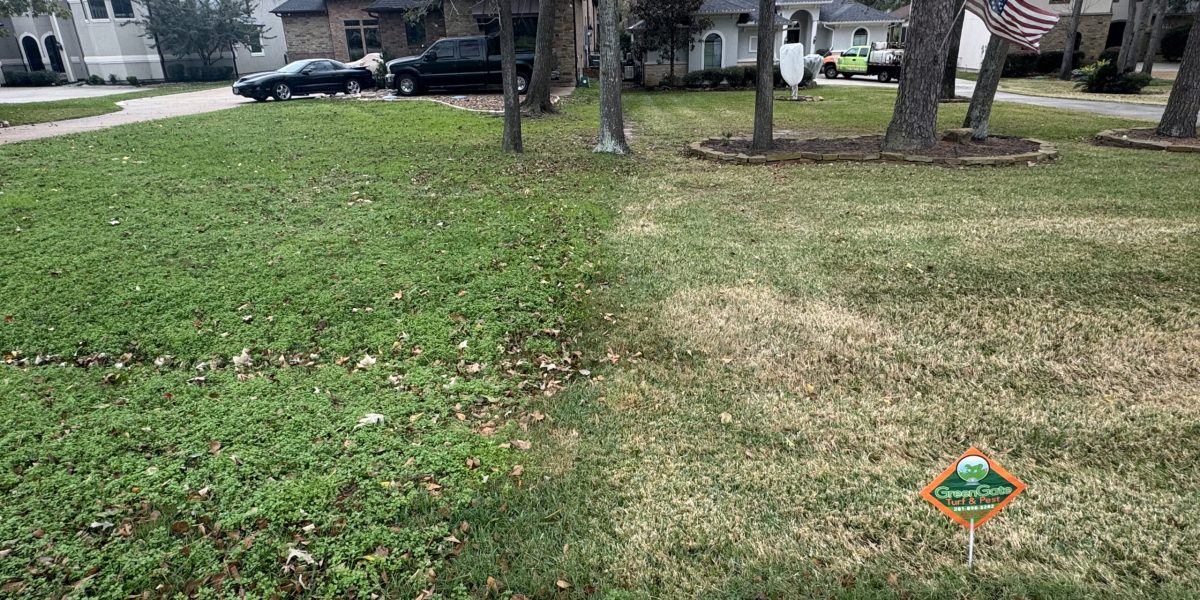
Every year, Houston homeowners head into winter feeling pretty good about their lawns. The grass is green enough, growth has slowed, and compared to summer, everything seems calm. Then spring hits—and suddenly the lawn is full of weeds, thinning patches, fungus, or bare spots that seem to appear overnight.
It’s frustrating, especially when it feels like the lawn “looked fine” just weeks earlier.
In reality, most spring lawn problems in our area don’t start in spring at all. They start months earlier, during winter. Winter lawn care Houston is often misunderstood, and one common habit during the cooler months quietly creates many of the issues homeowners battle once temperatures rise.
Let’s break down why winter matters so much here, what that habit looks like in real life, and how small adjustments now can make a big difference later.
Why Winter Lawn Care Matters More in Houston Than You Think
Houston lawns don’t behave like lawns in colder parts of the country. While northern grasses go fully dormant and stay that way for months, our mild winters tell a very different story.
Houston’s Mild Winters and Warm-Season Grasses
Most Houston lawns are made up of warm-season grass types, including:
These common Houston grass types may slow down in winter, but they rarely shut down completely. Soil temperatures stay relatively warm, occasional sunny days spark activity, and roots remain alive beneath the surface.
That means what you do—or don’t do—during winter still affects the lawn’s health.
Why Lawns Don’t Fully “Shut Down” Here
Because our winters are inconsistent, lawns remain vulnerable to:
- Winter weeds germinating early
- Excess moisture lingering in the soil
- Disease pressure building unnoticed
- Root stress that weakens spring growth
Unlike colder climates, lawn care during winter in Houston isn’t optional. It’s more about adjustment than stopping altogether.
How Winter Habits Shape Spring Recovery
Think of winter as the setup phase. Healthy roots, controlled weeds, and balanced moisture lead to quicker green-up and fewer problems. Poor winter habits, on the other hand, delay recovery and invite issues that take months to correct.
The One Winter Lawn Habit Causing Spring Problems
The most damaging winter lawn habit in Houston is simple—and incredibly common:
Ignoring your lawn during winter or continuing summer habits without adjusting.
Homeowners aren’t doing this out of neglect. It usually feels harmless. The lawn isn’t growing much, mowing slows down, and visible issues seem minimal. But that false sense of security is exactly what leads to spring problems.
What This Habit Looks Like in Real Life
Here’s how this mistake shows up in everyday Houston lawns:
- Overwatering “just in case”, even when rainfall is sufficient
- Skipping winter treatments entirely, including weed prevention
- Letting leaves pile up, trapping moisture against the turf
- Mowing too short before cold fronts, stressing the grass
- Applying the wrong products at the wrong time, based on summer routines
Each issue alone may seem small, but together they weaken the lawn during a season when recovery is slow.
Why a Green Lawn in Winter Isn’t Always a Good Sign
In Houston, many homeowners assume a green lawn during winter means their grass is healthy. In reality, that’s often not the case.
For most warm-season Houston grass types, some level of dormancy or color fade during winter is normal. When a lawn stays bright green through colder months, it’s usually not the turf thriving—it’s something else taking over.
Unless a lawn has been intentionally overseeded with rye grass or treated with turf pigment, winter green-up is often a sign of winter weeds filling in the gaps. These weeds grow aggressively during mild Houston winters while turfgrass growth slows, making the lawn appear lush when it’s actually under pressure.
This false sense of health is one of the biggest reasons homeowners skip winter lawn care in Houston. By the time the weeds are obvious in spring, they’re already well-established and harder to control.
How This Habit Turns Into Spring Lawn Problems
By the time spring arrives, the damage has already been done. The lawn doesn’t fail overnight—it struggles because of what happened months earlier.
Weed Explosions in Early Spring
Many winter weeds germinate while homeowners aren’t paying attention. Because the lawn looks dormant, weeds go unnoticed until temperatures rise.
When spring arrives:
- Weeds already have established roots
- Pre-emergent timing has been missed
- The grass is too weak to compete
This is why early spring weed control often feels overwhelming and reactive.
Disease & Fungus as Temperatures Rise
Houston’s mild winters create ideal conditions for turf disease:
- Cool nights
- Warm days
- Excess moisture from overwatering or rainfall
Fungus often develops quietly during winter and becomes visible as temperatures rise, leading homeowners to believe it appeared suddenly.
Thin Grass and Bare Spots
When roots are stressed during winter, spring growth suffers. This leads to:
- Delayed green-up
- Uneven turf density
- Thinning grass
- Bare spots that invite weeds
Once spring arrives, the lawn is forced to recover instead of thriving.
What Houston Homeowners Should Do Instead
Effective winter care doesn’t mean working harder—it means working smarter.
Adjust Watering for Winter Conditions
Water needs drop significantly during winter. In most cases:
- Irrigation schedules should be paused
- Rainfall should guide watering decisions
- Overwatering should be avoided to prevent disease
This simple adjustment is one of the most impactful winter lawn care changes.
Keep Up With Light Maintenance
Winter lawn maintenance should focus on consistency:
- Remove leaves and debris regularly
- Mow only when necessary
- Avoid scalping the lawn
These habits support healthier turf heading into spring.
Apply Seasonally Appropriate Treatments
Late winter lawn care is critical for bridging the gap between dormancy and spring growth. This includes:
- Managing weeds before they emerge
- Supporting root health
- Preparing turf for warming temperatures
Monitor Lawn Health, Even When Growth Slows
Checking your lawn once or twice a month helps catch small problems early—before they turn into major spring repairs.
Why Timing Matters More Than Products
Many homeowners focus on finding the “best” lawn product. In Houston, timing often matters more than what’s applied.
Our unpredictable weather can trigger growth followed by sudden cold fronts. DIY treatments frequently miss these windows, leading to poor results.
Well-timed Houston lawn maintenance:
- Reduces the need for corrective treatments
- Saves money over the long term
- Prevents frustration during peak growing season
How to Set Your Lawn Up for a Strong Spring
A few proactive steps can make spring significantly easier:
- Inspect turf monthly for stress or changes
- Control weeds before they become visible
- Prepare soil before spring growth begins
- Avoid one-size-fits-all lawn advice
This approach also reduces the risk of issues related to lawn care after winter pest infestation, which often starts with weakened winter turf.
FAQ
What is the biggest winter lawn mistake in Houston?
The biggest mistake is assuming the winter lawn care Houston homeowners need isn’t necessary. Ignoring the lawn or sticking to summer routines during winter leads to weeds, disease, and thinning turf in spring.
Should I water my lawn in winter in Houston?
No! Most lawns need significantly less water during winter. Rainfall and cooler temperatures usually provide enough moisture, and overwatering increases the risk of fungus.
When should Houston homeowners start spring lawn care?
Spring lawn care begins before spring arrives. Pre-spring lawn care typically starts in late winter by adjusting watering, managing weeds, and preparing the lawn for active growth.
Ready to Get Your Lawn Spring-Ready?
If you want fewer weeds, stronger grass, and less stress when spring arrives, winter is the time to act. The right adjustments now can save months of frustration later. Contact GreenGate Turf & Pest today to learn how our seasonal approach to winter and late winter lawn care can help your Houston lawn start spring healthy, thick, and problem-free.