
Even in Houston’s mild winters, your irrigation system still needs protection from the occasional freeze. The most vulnerable part is your backflow preventer valve—and without proper care, a single cold snap can cause it to crack or leak. Taking a few simple steps for backflow winterization keeps your system safe and ready for spring.
Why Backflow Winterization Matters


Your irrigation backflow preventer sits above ground, making it one of the first components to freeze when temperatures drop. Frozen water expands and can damage the brass body or internal parts, leading to costly repairs or replacement. Winterizing your sprinkler system ensures the backflow and exposed plumbing are protected all winter long.
When to Winterize Sprinkler System
You should winterize your sprinkler system before the first freeze of the season—usually between late November and early December in the Houston area. Even short cold spells can cause damage, so it’s best to prepare early rather than risk repairs later.
How to Winterize Sprinkler System (No Blowout Needed)
In our climate, you don’t need to perform a full air blowout. Here’s how to winterize sprinkler system without blowout in just a few steps:
-
Turn off the irrigation water supply.
Locate your irrigation shut-off valve near your main connection or water meter and close it completely. -
Drain the backflow preventer.
Open the drain valves to release trapped water, then turn each ball valve a quarter turn to relieve pressure inside the valve. -
Insulate exposed parts.
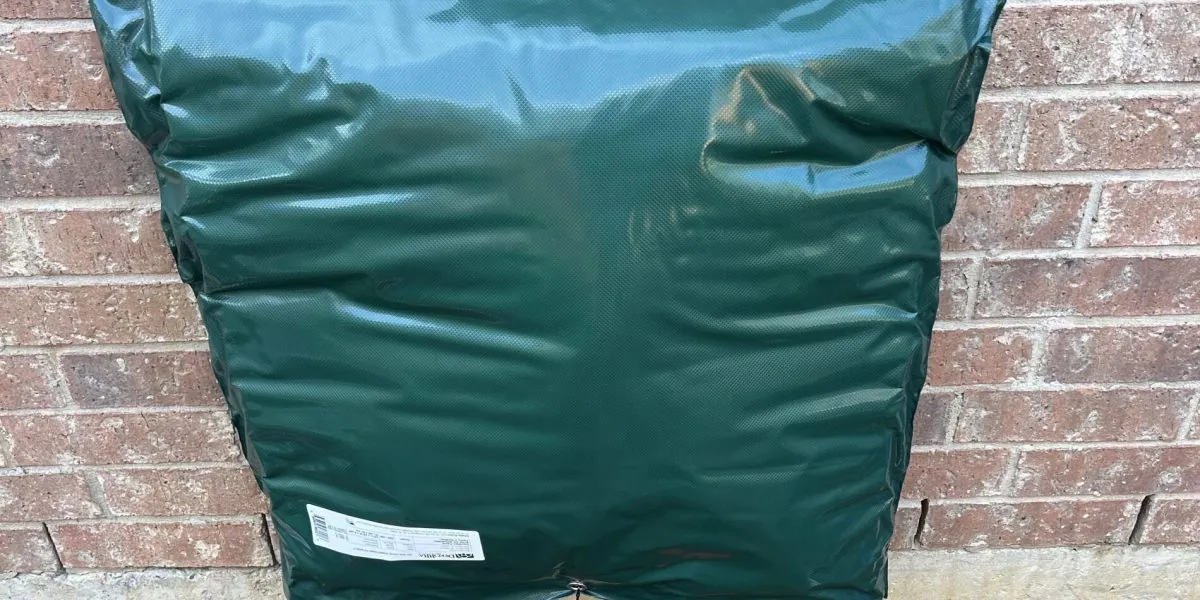
Cover your backflow preventer and any above-ground pipes with foam insulation and an insulated backflow cover. Choose one that’s waterproof and breathable. -
Turn off the controller.
Set your irrigation controller to “off” to prevent accidental watering during winter.
These simple steps are all it takes to winterize your sprinkler system in Houston’s mild climate—no blowout required.
Need Help Winterizing?
If you’d rather leave it to the pros, Greengate Turf & Pest offers expert backflow winterization to make sure your system is properly drained, shut down, and insulated before freezing weather hits.