Lawn Care in Winter: 5 Things Houston Homeowners Think Kill Their Lawn (But Don’t)
by:
GreenGate Turf, Pest, & Irrigation
When it comes to lawn care in winter, Houston homeowners hear a lot of conflicting advice. Some people say cold weather ruins grass. Others insist you should never mow, water, or fertilize once winter hits. And then there’s the panic that sets in when lawns turn brown—or worse, when they stay suspiciously green in January.
The truth? Most winter lawn damage in Houston doesn’t come from the things homeowners worry about most. It comes from quiet, overlooked issues that show up months later in spring as weeds, thinning turf, or disease.
Let’s clear up the confusion. Below are five common winter lawn myths—and what actually matters if you want a healthy lawn when warm weather returns.
One of the most common questions we hear every winter is: does frost kill grass?
In Houston, the short answer is no—at least not under normal conditions.
Why homeowners worry
Frost looks dramatic. Grass blades stiffen, lawns sparkle white in the morning, and it’s easy to assume the turf has been damaged beyond repair.
What’s really happening
Most Houston lawns are made up of warm-season grasses like St. Augustine, Bermuda, or Zoysia. These grasses are designed to go dormant when temperatures drop. A light frost or brief cold snap may temporarily discolor the grass, but it doesn’t kill the root system.
As long as freezes are short-lived (which they usually are here), the lawn bounces back just fine in spring.
What actually causes problems
The bigger issue isn’t frost—it’s what happens before and after winter:
Heavy weed pressure
Poor soil health
Lack of preventative treatments
This is why a proactive Houston lawn care program matters more than worrying about a few cold mornings.
2. Brown Grass in Winter
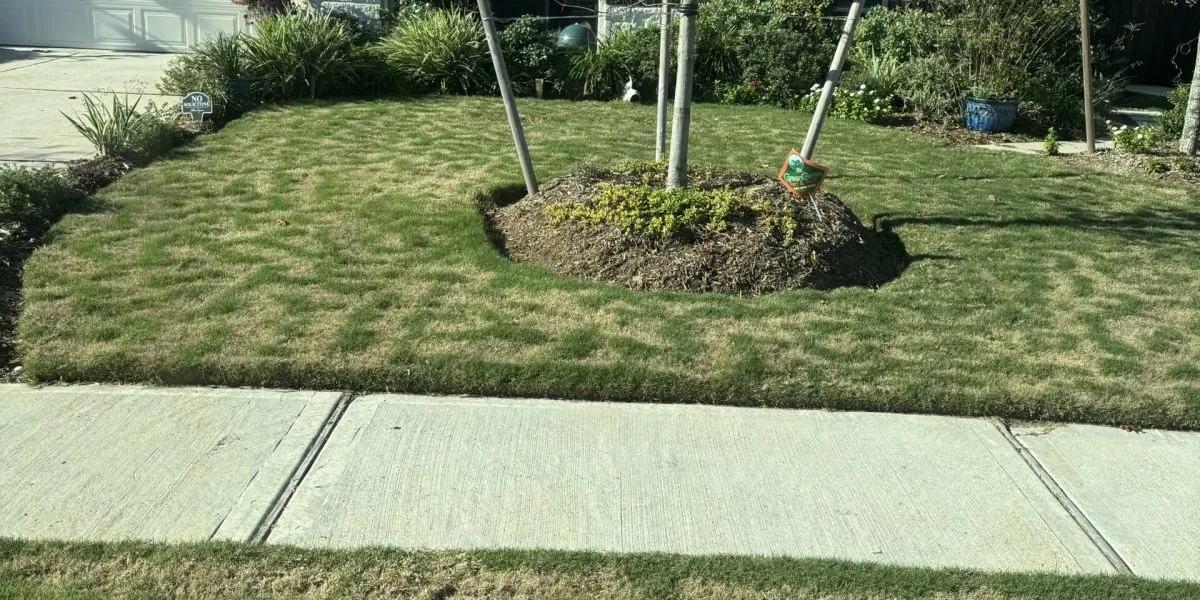
Seeing brown grass in winter makes a lot of homeowners nervous—but in most cases, it’s completely normal.
Dormancy is not death
Warm-season grasses naturally slow down and go dormant during winter. This means:
Growth pauses
Color fades
The lawn conserves energy
Brown grass doesn’t mean your lawn is dying—it means it’s resting.
When green grass is actually a red flag
Here’s the part that surprises many homeowners:
If your lawn is bright green in January and you didn’t overseed with ryegrass or apply turf pigment, it’s likely weeds, not healthy turf.
Winter weeds like poa annua, henbit, and chickweed thrive when turfgrass is dormant. That green “pop” often signals a weed problem that will explode in spring.
This is where pre-emergent applications and professional weed control services make a major difference.
3. Mowing Lawn in Winter
Another myth is that you should completely stop mowing once winter arrives. In reality, mowing lawn in winter—when done correctly—can actually help.
Why winter mowing still matters
Even during dormancy:
Leaves fall and collect on the lawn
Debris blocks sunlight and airflow
Moisture gets trapped, increasing disease risk
Occasional mowing or debris removal:
Improves air circulation
Helps the lawn dry out after rain
Allows sunlight to reach the soil surface
What to avoid
You don’t want to scalp the lawn or mow excessively. Growth is slower, so mowing frequency drops—but eliminating mowing entirely can do more harm than good.
Winter lawn maintenance is less about height and more about keeping the lawn clean and breathable.
4. Skipping Water in Winter
Another common concern homeowners have is whether skipping watering lawn in winter will damage their grass. In Houston, the reality is quite the opposite—watering during winter often causes more problems than it solves.
Why homeowners think winter watering is necessary
Many people assume that grass needs consistent irrigation year-round to stay healthy. If the lawn looks dry or dormant, it’s tempting to think a little extra water will help.
Why we don’t recommend watering lawn in winter
Houston winters are typically cool and wet, with regular rainfall and higher humidity. In these conditions, additional watering:
Dormant warm-season grass doesn’t actively use much water, so irrigation often benefits weeds—not turf.
What actually protects your lawn
Instead of watering, the better approach is to:
Turn off or significantly reduce irrigation systems
Rely on natural rainfall
Focus on weed prevention and disease control
Avoiding unnecessary irrigation helps keep soil conditions balanced and reduces the chances of fungus flaring up during mild, damp winter weather.
In short, watering lawn in winter is usually unnecessary in Houston—and in many cases, it’s one of the fastest ways to invite weeds and disease into an otherwise healthy lawn.
5. Continuing a Fertilization Program
This might be the biggest myth of all: that fertilization should stop completely once grass goes dormant.
Why winter lawn fertilization matters
A good fertilization program doesn’t just “feed grass.” It supports:
Root health
Soil biology
Weed prevention
While nitrogen-heavy fertilizers slow down in winter, pre-emergent treatments are crucial during dormancy.
What pre-emergents do
Pre-emergents prevent weed seeds from germinating. Applied at the right time, they:
Stop winter weeds before they appear
Reduce spring weed outbreaks
Protect turf density
Skipping winter treatments often leads to lawns that look fine in January—but struggle badly by March.
The Real Winter Lawn Mistake Houston Homeowners Make
The biggest mistake isn’t frost, mowing, or brown grass. It’s assuming winter lawn care doesn’t matter.
In reality, winter is when:
Weed pressure is decided
Disease can quietly develop
Soil health is either protected or neglected
Spring problems almost always start in winter—you just don’t see them yet.
That’s why consistent, seasonally adjusted lawn care in winter is one of the smartest investments a homeowner can make.
Why Houston Lawns Are Different in Winter
Houston’s mild winters create a unique challenge. We don’t get the deep freezes that naturally reset lawns, but we do get:
Extended weed germination windows
High humidity
Fluctuating temperatures
This means lawns need active management, even when growth slows. A “do nothing” approach often backfires in spring.
Final Thoughts
If your lawn turns brown in winter, that’s normal.
If you get a light frost, your grass will survive.
If you mow occasionally, water wisely, and continue preventative treatments, you’re doing more right than you think.
The goal of winter lawn care isn’t a perfect-looking lawn in January. It’s setting the stage for a thicker, healthier, weed-resistant lawn when spring arrives.
Ready to Protect Your Lawn This Winter?
If you’re unsure whether your lawn is truly dormant—or quietly filling up with weeds—now is the best time to act. A professional winter lawn care plan removes the guesswork and helps prevent expensive spring repairs.