
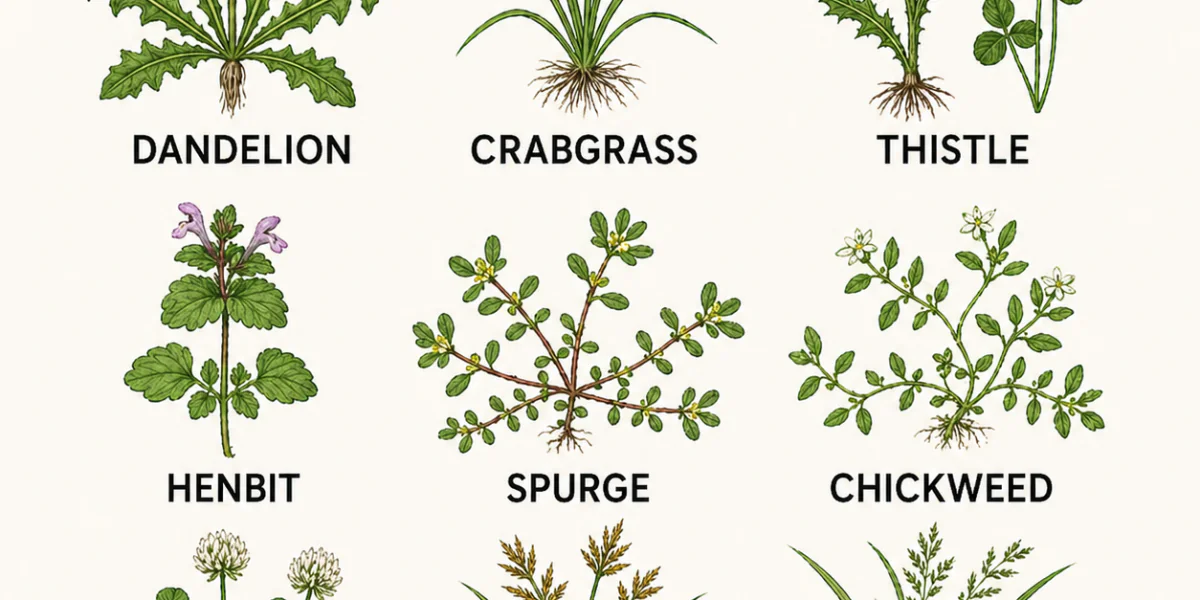
Lawn weeds in Texas are more than just an eyesore—they compete with your grass for nutrients, water, and sunlight. Thanks to the state’s diverse climate and soil conditions, weeds can thrive nearly year-round if left unchecked. The key to maintaining a thick, healthy lawn is understanding what you’re dealing with and using the right strategies at the right time.
This guide breaks down lawn weeds identification, the most common types of lawn weeds in Texas, and proven Texas weed control methods to help you stay ahead of the problem.
Understanding Lawn Weeds in Texas
Texas lawns face unique challenges due to varying temperatures, rainfall patterns, and soil types. These conditions create the perfect environment for a wide range of weeds to grow aggressively.
Effective lawn weeds identification is the foundation of any successful weed control plan. Once you know what type of weed you’re dealing with, you can choose the right treatment approach instead of wasting time and money on ineffective solutions.
Most lawn weeds fall into three main categories:
- Broadleaf weeds
- Grassy weeds
- Sedges
Each category behaves differently and requires a specific treatment strategy.
Types of Lawn Weeds in Texas
Understanding the types of lawn weeds in Texas will help you respond quickly and effectively when they appear.
Broadleaf Weeds
Broadleaf weeds are some of the easiest to spot thanks to their wide leaves and noticeable flowers. Common examples include dandelions and clover.
If you’re researching how to treat broadleaf weeds, the approach typically includes a mix of proper lawn care and targeted treatments. A healthy lawn naturally crowds out these weeds, making prevention just as important as treatment. 
Effective strategies include:
- Application of pre-emergents while the grass is dormant
- Spot-treating with post-emergent herbicides
- Maintaining proper mowing height
- Watering deeply but infrequently
- Encouraging dense turf growth
When caught early, broadleaf weeds are usually the easiest to control.
Grassy Weeds
Grassy weeds Texas homeowners deal with often look very similar to turfgrass, which makes them harder to identify and manage. Crabgrass and dallisgrass are two of the most common offenders.
Because they blend in so well, lawn weeds identification becomes especially important here. These weeds grow quickly and can take over thin or stressed lawns in a short amount of time.
Control methods include:
- Applying pre-emergent treatments early in the season
- Using post-emergent herbicides when necessary
- Mowing regularly to prevent seed production
- Strengthening turf through proper fertilization
Consistency is key when managing grassy weeds Texas lawns commonly face.
Sedges (Including Nutsedge)
Sedges are often mistaken for grasses, but are much more aggressive and harder to control. Nutsedge is one of the most persistent weeds found in Texas lawns and is easily identified by its triangular stem.
Nutsedge control requires a targeted approach, as standard weed treatments often won’t be effective. 
Best practices include:
- Using specialized herbicides designed for sedges
- Improving drainage to reduce excess moisture
- Avoiding overwatering
- Maintaining proper soil conditions
If left untreated, nutsedge can spread rapidly and become a recurring issue. It is important to note that pulling nutsedge by hand will exacerbate the problem and cause it to spread more rapidly.
Why Weeds Thrive in Texas Lawns
Weeds flourish in Texas for several reasons, and understanding these factors can help you prevent future problems.
Common causes include:
- Long growing seasons due to warm temperatures
- Inconsistent rainfall patterns
- Soil compaction and poor drainage
- Thin or stressed turfgrass
When your lawn is weak, weeds step in to fill the gaps. That’s why strong, healthy turf is your first line of defense.
Texas Weed Control: Prevention and Treatment
A successful Texas weed control program combines both prevention and active treatment. Waiting until weeds take over is never the best strategy.
Prevention First
Using the best weed preventer for lawns is one of the most effective ways to stop weeds before they start. Pre-emergent herbicides create a barrier that prevents weed seeds from germinating.
Other prevention techniques include:
- Regular mowing at the correct height
- Proper fertilization to promote thick growth
- Lawn aeration to relieve soil compaction
- Consistent watering practices
A proactive approach significantly reduces the need for reactive treatments later.
Treating Existing Weeds
Once weeds appear, quick action is important. Different weeds require different solutions, so accurate lawn weeds identification is critical.
Treatment options include:
- Post-emergent herbicides for visible weeds
- Hand-pulling for small infestations
- Spot treatments to avoid damaging healthy grass
- Follow-up applications for stubborn weeds
Combining these methods with strong lawn care practices delivers the best long-term results.
Organic and Natural Weed Control Options
For homeowners looking to reduce chemical use, there are several natural alternatives available.
These include:
- Vinegar-based sprays for spot treatment
- Corn gluten meal as a natural pre-emergent
- Mulching to block sunlight and suppress growth
While these methods can be effective, they typically work best when combined with proper lawn maintenance.
Seasonal Lawn Care Tips for Texas
Weed control isn’t a one-time task—it requires year-round attention. Adjusting your lawn care routine with the seasons can make a big difference.
Spring:
- Apply pre-emergent treatments before the grass comes out of dormancy
- Aerate compacted soil
- Begin regular mowing
Summer:
- Water deeply and less frequently
- Raise the mowing height to protect the grass
- Monitor for drought stress
Fall:
- Strengthen turf with fertilization
- Address any lingering weeds
- Prepare the lawn for cooler temperatures
Winter:
- Apply pre-emergent treatments to prevent early spring weeds from germinating
- Remove leaves and debris to avoid blocking sunlight and trapping moisture
- Monitor for cool-season weeds and spot treat as needed
- Avoid excessive foot traffic on dormant grass to prevent compaction
Staying consistent throughout the year helps prevent weeds from gaining a foothold.
Final Thoughts
Managing lawn weeds in Texas takes a combination of knowledge, timing, and consistency. From understanding the different types of lawn weeds in Texas to choosing the best weed preventer for lawns, every step plays a role in building a healthier yard.
With proper lawn weeds identification and a solid plan for prevention and treatment, you can keep your lawn thick, green, and resilient—no matter what Texas throws your way.
If weeds are starting to take over or you’d rather not handle it yourself, our team can help. We specialize in customized Texas weed control programs designed for your specific lawn conditions. Reach out today to get a plan in place and take back your yard.