
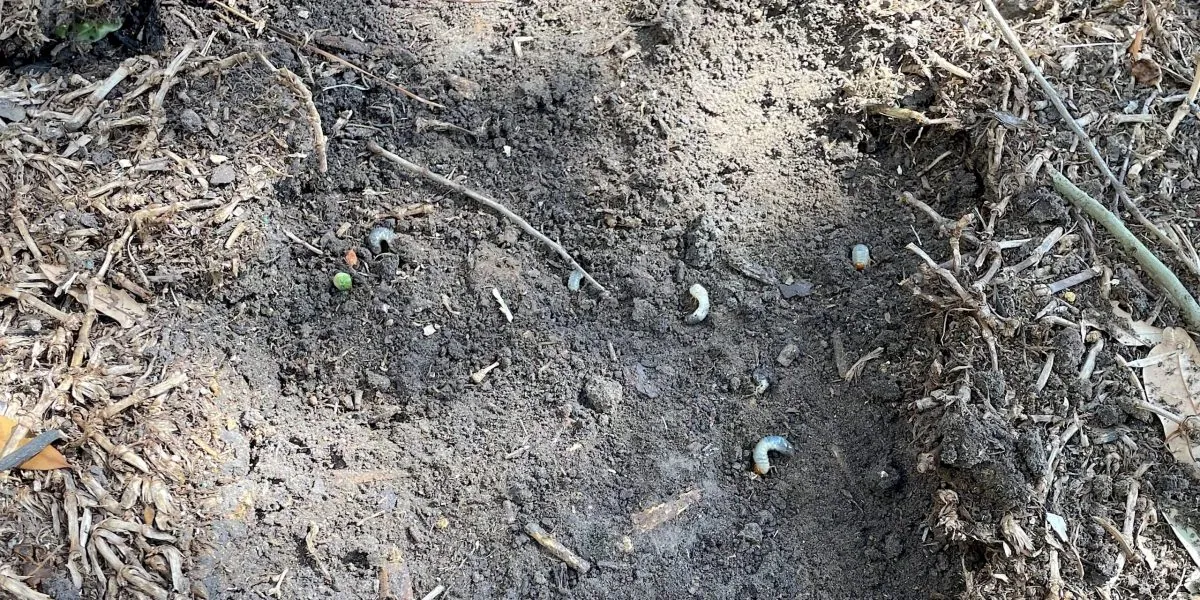
Grub worms, the pesky larvae of various beetles, can wreak havoc on your lawn. These subterranean pests feed on grassroots, causing significant damage that often results in brown patches and spongy grass. If you are looking to maintain a lush, green lawn, understanding how to control these pests is crucial.
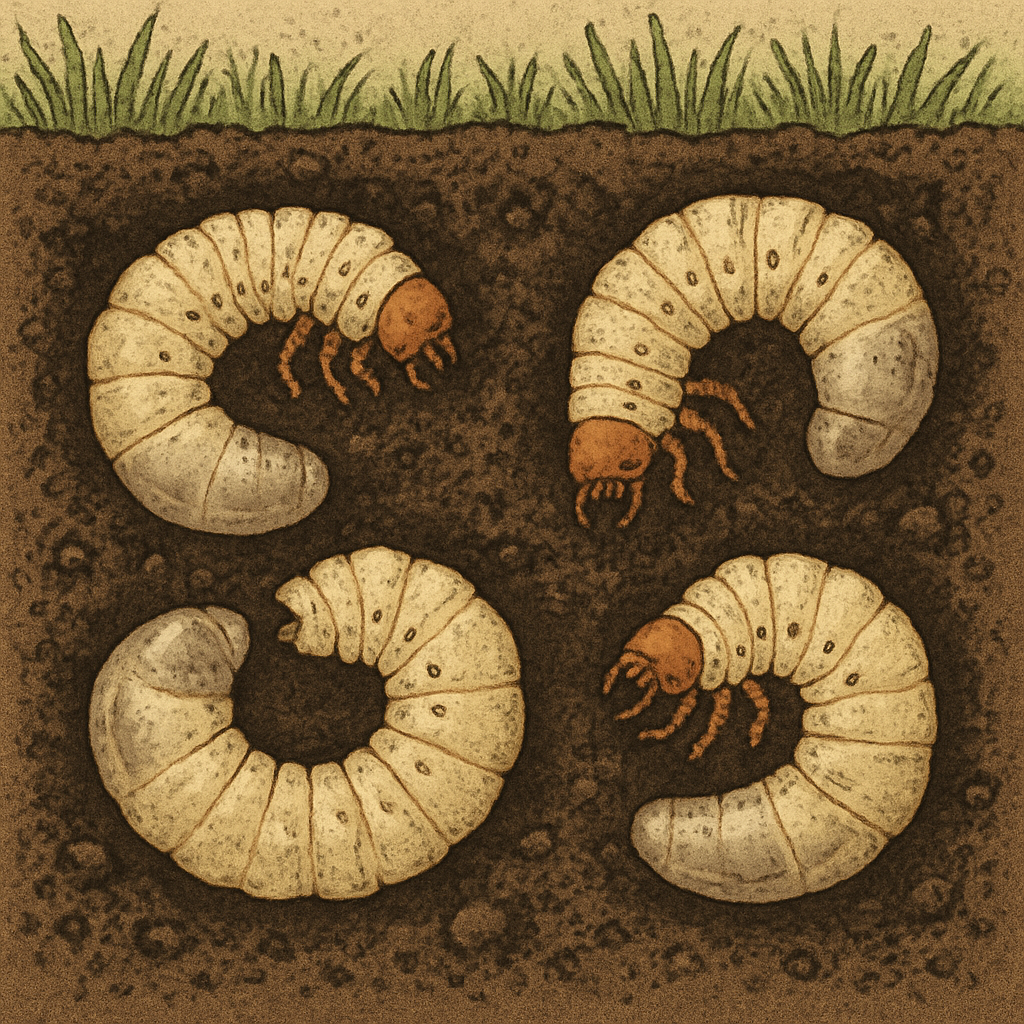
In this article, we will explore effective strategies for controlling grubs and preventing lawn damage. With the right approach, you can protect your lawn from these destructive pests and ensure it remains healthy and vibrant.
Grub worms are the larvae of beetles, such as Japanese beetles, June beetles, and European chafers. These larvae feed on the roots of grass, which can lead to significant lawn damage. Identifying grubs in your lawn is the first step in managing the problem effectively.
Signs of Grub Worm Infestation
Detecting a grub worm infestation early can save your lawn from extensive damage. Here are some common signs that indicate the presence of grub worms:
- Spongy Grass: If your lawn feels spongy when you walk on it, it could be a sign that grubs are feeding on the roots.
- Brown Patches: Dead patches of grass that can easily be pulled up with little to no root resistance.
- Increased Animal Activity: Animals like raccoons, skunks, and birds often dig up lawns in search of grub worms.
Methods for Getting Rid of Lawn Grub Worms
There are several methods to control grubs in your lawn. Let’s explore some of the most effective strategies.
Natural Methods
For those who prefer an eco-friendly approach, natural methods can be effective in managing grub worm populations.
Nematodes
Nematodes are microscopic worms that naturally prey on grub worms. Applying nematodes to your lawn can help reduce the grub population. They are safe for humans, pets, and beneficial insects.
Milky Spore
Milky spore is a bacterium that specifically targets Japanese beetle grubs. Applying milky spore to your lawn can provide long-term control by infecting and killing the grubs. This method can take a few years to become fully effective but offers lasting results.
Chemical Control
In cases where natural methods are insufficient, chemical control may be necessary.
Insecticides
Insecticides can be effective for controlling severe grub infestations. Products containing imidacloprid or chlorantraniliprole are commonly used for grub control. Always follow the manufacturer’s instructions and consider the timing of application, as early treatment is crucial for success.
Preventive Measures
Applying preventive insecticides in late spring or early summer can help control grubs before they cause significant damage. This approach targets young grubs before they begin feeding heavily on grass roots.
Preventing Lawn Damage from Grubs

Prevention is key to maintaining a healthy lawn. Here are some tips to prevent grub damage:
Maintain Healthy Grass
- Regular Watering: Ensure your lawn receives adequate water, especially during dry periods, to promote deep root growth.
- Proper Mowing: Keep your lawn at an optimal height to encourage thick growth, which can make it more difficult for grubs to establish.
- Aeration: Aerating your lawn can improve root health and deter grub infestations by making it harder for beetles to lay eggs.
Monitor and Identify
Regularly inspect your lawn for signs of grub damage. Early detection can help you take action before the problem escalates.
Conclusion
Grub worms can pose a serious threat to the health of your lawn. By understanding the signs of infestation and utilizing both natural and chemical control methods, you can effectively manage these pests. Remember to take preventive measures to protect your lawn and maintain its health. Contact GreenGate Turf & Pest today for an estimate to treat and prevent against grub worms.
With diligence and the right strategies, you can enjoy a beautiful, grub-free lawn that enhances the beauty of your outdoor space.
Contact GreenGate
Call our office at 281-898-5282 for a free estimate, or request an estimate online.