
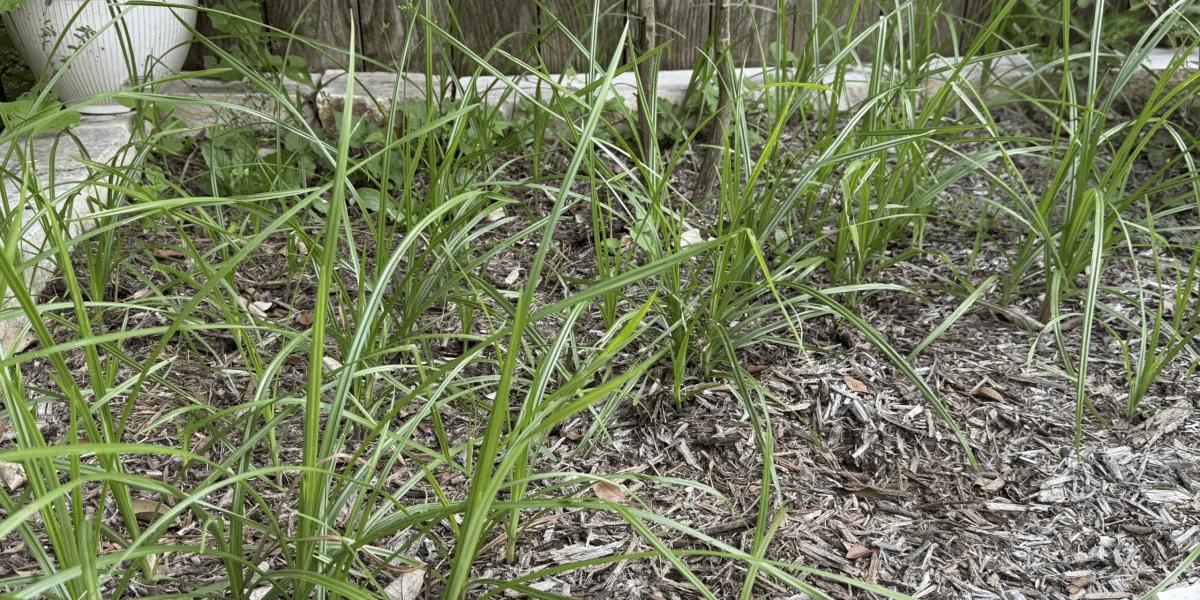
Nutsedge, often mistaken for a type of grass, is a persistent and invasive weed that can quickly take over a lawn. Its aggressive growth and resilience make it a major headache for homeowners and landscapers alike. If you’ve ever battled this stubborn plant, you know how frustrating it can be. In this post, we’ll dive into what nutsedge is, how to identify it, and most importantly, how to effectively get rid of it.
What is Nutsedge?
Nutsedge is a perennial weed that belongs to the sedge family, not the grass family. There are two main types commonly found in lawns: yellow nutsedge and purple nutsedge. While they look similar, their methods of reproduction and control can differ.

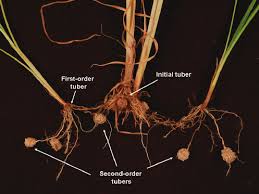
- Yellow Nutsedge (∗Cyperusesculentus∗): This is the more common type. It has light green to yellowish-green leaves and a triangular stem. Its most distinctive feature is the small, yellowish-brown seed head. It reproduces through underground tubers called “nutlets” or “tubers.”
- Purple Nutsedge (∗Cyperusrotundus∗): This one has a darker green color and a reddish-purple seed head. It’s often more difficult to control than yellow nutsedge because it produces a greater number of tubers and rhizomes (underground stems), which can grow deeper in the soil.
How to Identify Nutsedge
Nutsedge can be a bit tricky to spot at first glance. It often grows faster than your lawn grass, causing it to stand out a day or two after mowing. Here are some key characteristics to look for:
- Triangular Stem: Unlike grasses, which have flat or round stems, nutsedge has a distinct, three-sided stem. You can feel this by rolling the stem between your fingers.
- Waxy, Pointed Leaves: The leaves are V-shaped, waxy, and have a prominent mid-rib. They grow in a cluster from the base.
- Rapid Growth: After you mow your lawn, nutsedge leaves will quickly shoot up above the rest of the grass, creating an uneven, patchy appearance.
- Nutlets/Tubers: If you pull up a nutsedge plant, you might find small, hard tubers at the end of the roots. These are the “nuts” that give it its name and are the primary way it spreads.

Why is Nutsedge So Hard to Kill?
Nutsedge is notoriously difficult to eradicate for a few reasons:
- Tubers: The “nutlets” are its secret weapon. They can survive in the soil for several years and produce new plants, even after the parent plant has been pulled or treated.
- Mowing is Ineffective: Mowing actually stimulates nutsedge to produce more tubers and spread more aggressively. It’s like giving it a haircut that makes it stronger.
- Thrives in Wet Soil: Nutsedge loves wet, poorly drained soil. Overwatering your lawn can create the perfect environment for it to flourish.

How to Get Rid of Nutsedge
Getting rid of nutsedge requires a multi-pronged approach. Here’s a step-by-step guide to take back your lawn.
1. Cultural Practices: Starve It and Dry It Out
- Improve Drainage: If you have areas with poor drainage, address the issue. Aerate your soil, consider adding compost, or adjust your irrigation to prevent standing water.
- Water Less Frequently: Nutsedge thrives on excess water. Adjust your watering schedule to be less frequent but deeper. This encourages your grass roots to grow deeper and makes the surface less hospitable to nutsedge.
- Adjust Mowing Height: Mow your lawn at the highest recommended height for your grass type. Taller grass shades the soil, making it more difficult for nutsedge to germinate and grow.
2. Chemical Control: Nutsedge Herbicides
For a severe infestation, you’ll need a specialized herbicide. Be aware that many common weed killers will not work on nutsedge because it’s not a grass. Look for products specifically labeled for nutsedge control. These often contain one of the following active ingredients:
- Halosulfuron: Found in products like SedgeHammer. This is highly effective against both yellow and purple nutsedge. It’s a selective herbicide, meaning it won’t harm your lawn grass when used as directed.
- Sulfentrazone: Another excellent option for nutsedge control. It’s often found in combination with other herbicides in broad-spectrum weed killers.
- Imazosulfuron: A newer active ingredient that is also very effective on nutsedge.
Application Tips for Nutsedge Herbicides:
- Timing is Key: Apply the herbicide when nutsedge is actively growing, typically in late spring or early summer.
- Follow the Directions: Always read and follow the label instructions carefully, including the recommended mix rates and application methods.
- Multiple Applications: A single application may not be enough. You may need to apply a second or even a third treatment 3-4 weeks apart to kill any new plants that sprout from the tubers.
3. Professional Help: The Easiest Way to Win the Battle
Sometimes, the best solution is to call in the experts. Professional lawn care companies have access to commercial-grade products and the expertise to create a customized treatment plan. They can not only apply the correct nutsedge herbicide but also recommend a fertilization and weed control schedule to keep your lawn healthy and thick, preventing future weed invasions. A dense, healthy lawn is the best defense against all weeds, including nutsedge.
Don’t let nutsedge take over your lawn. By understanding what it is and employing the right control methods, you can reclaim your green space and enjoy a beautiful, weed-free yard. Call GreenGate today and ask about our weed control program.