
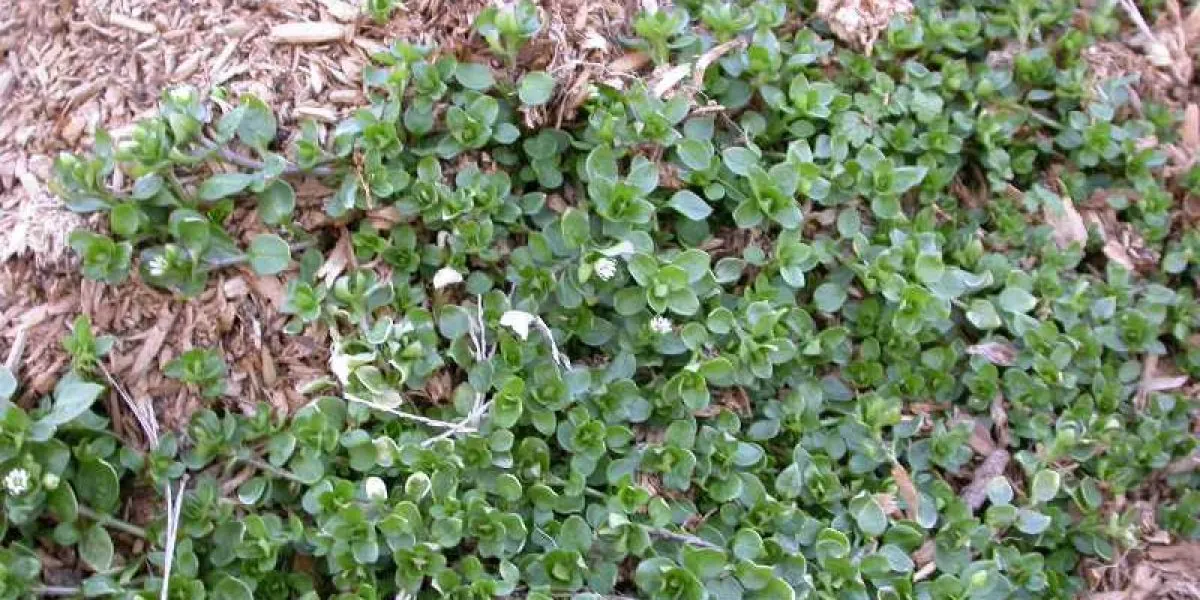
If you’ve ever looked out at your lawn in the middle of winter and thought, “Why do I still have weeds? I fertilize!” — you’re not alone. This is one of the most common (and frustrating) questions we hear at GreenGate Turf & Pest, especially from Houston-area homeowners who work hard to keep their lawns healthy year-round.
The truth is, winter weeds play by a completely different set of rules than summer weeds — which is why many homeowners eventually turn to professional weed control services for long-term results. Fertilizer alone — even the right fertilizer — isn’t enough to stop them. In this blog, we’ll break down exactly why winter weeds still show up, answer common questions like do weeds die in winter, and explain the most effective strategies for controlling winter weeds in Southeast Texas.
What Are Winter Weeds?
Winter weeds, also called winter annual weeds, are plants that germinate in the fall, grow throughout the winter, and then flower and spread seeds in early spring before dying off as temperatures rise.
Some of the most common winter weeds we see in Houston lawns include:

- Annual bluegrass (Poa annua)
- Henbit
- Chickweed
- Clover
- Lawn burweed
- Shepherd’s purse
Unlike summer weeds that thrive in heat and sunlight, winter weeds prefer cooler soil temperatures and less competition from turfgrass.
Do Weeds Die in Winter?
(If you’ve ever wondered whether your lawn is dormant or struggling, this also ties closely to understanding dormant grass vs dead grass.)
This is one of the biggest lawn myths out there.
Do weeds die in winter? Not necessarily.
Many homeowners assume cold weather kills weeds — but in our climate, that’s rarely the case. In Houston and surrounding areas, winters are mild enough that many weeds don’t just survive… they thrive.
So if you’re asking:
- Do weeds die in the winter?
The answer is: most winter weeds are just getting started.
Winter annual weeds are designed to handle cooler temperatures. While your warm-season grass (like St. Augustine or Bermuda) slows down or goes dormant, weeds take advantage of the open space, sunlight, and reduced competition.
Why Fertilizing Alone Doesn’t Stop Winter Weeds
Many homeowners assume a strong lawn fertilization program will automatically prevent weeds — but winter weeds are a different story.
Fertilizer is important — but it’s not a weed control product.
Here’s why fertilizing alone won’t prevent winter weeds:
1. Grass Growth Slows in Winter
Warm-season grasses go semi-dormant or fully dormant in winter, especially common Houston turf types like Bermuda grass in winter and St. Augustine. Even if nutrients are available, your lawn simply isn’t growing aggressively enough to crowd out weeds.
2. Weeds Germinate Before You See Them
By the time weeds are visible above the soil, they’ve already been growing for weeks. Fertilizer won’t stop germination — it may actually help weeds grow faster once they’re established.
3. Winter Weeds Use Stored Energy

Many winter annual weeds rely less on soil nutrients and more on stored energy to get established. That means fertilizing doesn’t slow them down the way homeowners expect.
The Real Key: Preventing Winter Weeds Before They Appear
If there’s one thing to remember about controlling winter weeds, it’s this:
Prevention is far more effective than treatment.
That’s where professional weed control — especially pre-emergent applications — comes into play.
What Is a Pre-Emergent and Why It Matters
(You can learn more about how this works in our guide to pre-emergent weed control.)
A pre-emergent herbicide creates a barrier in the soil that stops weed seeds from successfully germinating.
This is critical for winter weed control because:
- Winter weed seeds germinate in the fall
- You can’t see them yet
- Once they’re visible, pre-emergents are no longer effective
Applying pre-emergents at the correct time helps stop winter annual weeds before they ever break through the surface.
Timing is everything — and in Houston, soil temperatures can trigger weed germination earlier than most homeowners expect.
What About Winter Weed Killer?
Once weeds are already growing, pre-emergents won’t help. That’s when winter weed killer (post-emergent treatments) become necessary.
A targeted winter weed killer:
- Eliminates existing weeds
- Is safe for dormant or semi-dormant turf when applied correctly
- Prevents weeds from producing seeds that cause bigger problems in spring
The key is using the right product for the right weed — something that can be tricky without professional identification and application.
Why Winter Weed Control Is Especially Important in Spring
Ignoring winter weeds doesn’t just affect your lawn now — it sets you up for bigger problems later, including heavier pressure during spring weed control.
Here’s what happens if winter weeds are left untreated:
- They spread thousands of seeds
- Those seeds remain in the soil for years
- Spring weed pressure increases dramatically
- Your grass has to compete harder once it wakes up
In other words, winter weeds don’t disappear quietly — they multiply.
Why Houston Lawns Are More Prone to Winter Weeds
Our local climate plays a big role.
Houston lawns deal with:
- Mild winters
- Inconsistent cold snaps
- Frequent rainfall
- Long growing seasons
These conditions are perfect for winter weeds to establish themselves while turfgrass growth slows down.
That’s why controlling winter weeds in our area requires a year-round strategy, not a seasonal one.
A Year-Round Approach Works Best
At GreenGate Turf & Pest, we don’t treat lawns only when weeds appear. Our year-round lawn care programs focus on:
- Timely pre-emergent applications
- Targeted post-emergent weed control
- Balanced fertilization
- Ongoing monitoring through every season
Weeds germinate every 4–6 weeks, even in cooler months — which is why consistent treatments matter.
Can You Control Winter Weeds on Your Own?
Some homeowners try DIY weed control, but winter weeds can be especially stubborn.
Common DIY challenges include:
- Applying products too late
- Using the wrong winter weed killer
- Damaging dormant grass
- Missing the correct application window
Professional lawn and pest control services remove the guesswork and help protect your lawn long-term.
Final Thoughts: Why Winter Weeds Don’t Mean You’re Failing
If you’re seeing winter weeds, it doesn’t mean you’ve done something wrong — it means weeds are doing exactly what they’re designed to do.
Understanding that:
- Fertilizer alone isn’t weed control
- Weeds don’t automatically die in winter
- Prevention is more effective than reaction
…puts you in a much better position to win the battle.
Tired of fighting winter weeds year after year? Let GreenGate Turf & Pest help.
Our customized lawn and pest control services are designed specifically for Houston-area lawns, with proactive treatments that target weeds before they take over.
Contact GreenGate Turf & Pest today to schedule a consultation and keep your lawn healthier, thicker, and weed-free — even in winter.