What Nitrogen Does for a Lawn (And Why It Matters So Much)
by:
GreenGate Turf, Pest, & Irrigation
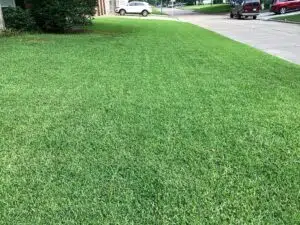
If you’ve ever wondered why one lawn looks thick, dark green, and healthy while another looks pale and patchy, the answer often comes down to one key nutrient: nitrogen for lawn care.
Nitrogen is the engine behind lush, vibrant turf. It drives growth, improves color, and helps your grass recover from stress. But like anything in lawn care, it has to be applied correctly and at the right time to get the best results.
At GreenGate Turf & Pest, we spend a lot of time educating homeowners about what’s happening beneath the surface of their lawns. Understanding how nitrogen works can help you make smarter decisions about fertilization and long-term turf health.
Nitrogen is one of the three primary nutrients found in fertilizer (the “N” in NPK). It plays a central role in chlorophyll production, which is what gives grass its rich green color and allows it to perform photosynthesis.
In simple terms, nitrogen fuels growth.
Without enough nitrogen, grass struggles to grow, loses its color, and becomes thin and weak. With the right amount, your lawn becomes fuller, greener, and better equipped to crowd out weeds.
When homeowners talk about wanting nitrogen for green grass, what they’re really asking for is stronger chlorophyll production and vigorous blade growth. That vibrant color and dense texture start at the root level.
The Benefits of Nitrogen Fertilizer
There are several key benefits of nitrogen fertilizer when it’s used properly:
1. Rich, Deep Green Color
Nitrogen directly affects chlorophyll production. The more efficiently your grass can produce chlorophyll, the greener it appears.
2. Thicker Turf
Nitrogen encourages blade and shoot growth, helping your lawn fill in bare or thin areas.
3. Faster Recovery
After mowing, heat stress, foot traffic, or minor pest damage, nitrogen helps your lawn bounce back more quickly.
4. Improved Overall Health
A properly fertilized lawn develops stronger roots and improved resilience against environmental stress.
The key is balance. Too little nitrogen limits growth. Too much can cause rapid top growth while weakening roots. That’s why a professional approach to nitrogen fertilizer for grass makes such a difference.
What Happens During Nitrogen Deficiency in Lawns
When your lawn isn’t getting enough nitrogen, it will tell you. Nitrogen deficiency in lawns is one of the most common nutrient problems homeowners face.
Because nitrogen is mobile within the plant, grass will move available nitrogen to newer growth first. That means older blades show symptoms first.
Common Signs of Nitrogen Deficiency in Grass
Pale green or yellowing turf
Slow growth
Thin or sparse areas
Smaller leaf blades
Reduced density overall
If your lawn looks dull compared to neighboring properties or struggles to thicken up during the growing season, a lack of nitrogen may be part of the issue.
Addressing signs of nitrogen deficiency in grass early prevents long-term thinning and weed invasion.
How Much Nitrogen Does My Lawn Need?
One of the most common questions we hear is, how much nitrogen does my lawn need?
The answer depends on several factors:
Grass type
Soil conditions
Time of year
Climate
Overall lawn health
Warm-season grasses like St. Augustine, Bermuda, and Zoysia have different nitrogen requirements than cool-season grasses. Over-application can cause excessive top growth, increased mowing, and even disease vulnerability.
In general, lawns require measured, seasonal nitrogen applications spaced throughout the growing season rather than one heavy dose. A soil test is the most accurate way to determine existing nutrient levels and customize a fertilization plan.
That’s where professional lawn care becomes valuable. We evaluate turf condition, growth patterns, and seasonal timing to determine the correct application rate.
When to Apply Nitrogen to Lawn
Timing matters just as much as quantity.
So, when to apply nitrogen to lawn areas for the best results?
For warm-season grasses in Texas and surrounding areas, nitrogen is typically applied during active growth periods in spring and summer. Applying nitrogen too early, before the grass fully greens up, can stress the turf. Applying too late in the season may stimulate growth when the lawn should be slowing down.
At GreenGate Turf & Pest, we follow a schedule that aligns with your grass type and regional growing patterns, ensuring optimal absorption and performance.
Slow Release Nitrogen Fertilizer vs. Quick Release Nitrogen Fertilizer
Not all fertilizers work the same way. Understanding the difference between slow release nitrogen fertilizer and quick release nitrogen fertilizer can help you make better decisions for your lawn.
Quick Release Nitrogen Fertilizer
Provides rapid greening
Delivers nutrients immediately
Encourages fast top growth
Requires careful application to prevent burn
This option is useful when a lawn needs a fast boost in color or recovery. However, it can also result in more frequent mowing and shorter feeding duration.
Slow Release Nitrogen Fertilizer
Breaks down gradually
Provides consistent feeding over time
Reduces risk of burn
Encourages steady, sustainable growth
Slow release nitrogen fertilizer is often preferred for long-term turf health because it delivers nutrients in a controlled manner. It supports root development while maintaining even growth.
Most professional lawn care programs use a combination approach, depending on seasonal needs and lawn condition.
Choosing the Best Nitrogen Fertilizer for Lawns
Home improvement stores are full of fertilizer options, which leads to another common question: what is the best nitrogen fertilizer for lawns?
The truth is, the best nitrogen fertilizer for lawns depends on your grass type, soil composition, and timing.
Factors to consider include:
Percentage of nitrogen in the formula
Release type (slow vs. quick)
Presence of additional nutrients
Soil health and pH balance
Generic, one-size-fits-all fertilizers often fail to address specific lawn needs. Customized nutrient programs ensure your lawn receives the right formulation at the right time.
Nitrogen for Lawn Care and Weed Control
One underrated benefit of nitrogen for lawn care is how it indirectly supports weed prevention.
However, too much nitrogen can encourage certain weeds if the turf becomes overstimulated. Balance is everything.
Avoiding Common Nitrogen Mistakes
While nitrogen is essential, it must be handled carefully.
Here are common mistakes homeowners make:
Applying too much at once
Fertilizing during extreme heat
Ignoring soil conditions
Using the wrong fertilizer type
Not watering properly after application
Improper use can lead to burning, runoff, shallow roots, or increased susceptibility to disease.
That’s why professional lawn programs take a measured, strategic approach instead of guessing.
The Long-Term Impact of Proper Nitrogen Use
When nitrogen fertilizer for grass is applied consistently and correctly over time, the benefits compound.
You’ll see:
Improved root strength
Better drought tolerance
Stronger resistance to stress
Fewer weed problems
More uniform color and texture
Healthy turf is not created in one application. It’s built over seasons of smart nutrient management.
At GreenGate Turf & Pest, we focus on long-term lawn health rather than quick cosmetic fixes. Nitrogen is a powerful tool, but it works best as part of a complete turf care strategy.
Let GreenGate Turf & Pest Help You Build a Healthier Lawn
Understanding nitrogen for lawn care is the first step toward a greener, thicker lawn. Knowing how much nitrogen does my lawn need, when to apply nitrogen to lawn areas, and which fertilizer type is appropriate can feel overwhelming.
That’s where we come in.
Our customized lawn fertilization programs are designed specifically for your grass type, soil conditions, and regional climate. We carefully balance stabilized nitrogen fertilizer, slow release nitrogen fertilizer, and quick release nitrogen fertilizer to promote steady growth without unnecessary stress.
If you’re noticing signs of nitrogen deficiency in grass or simply want to improve your lawn’s color and density, we’re here to help.
Contact GreenGate Turf & Pest today to schedule your lawn evaluation, and let’s build a healthier, greener lawn together.