
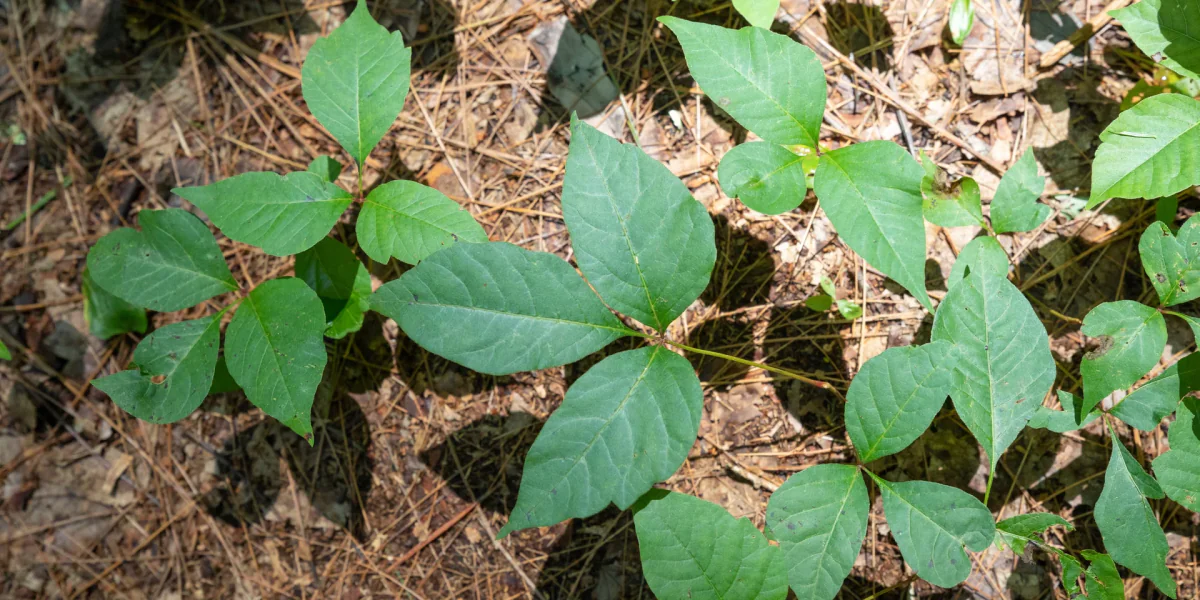
Poison ivy and poison ivy removal is one of the most frustrating plants homeowners can encounter. It spreads quickly, hides along fences and tree lines, and can turn a relaxing backyard into an uncomfortable place to spend time. Even a brief brush against the plant can leave you dealing with an itchy rash for days or even weeks. If you have poison ivy in yard areas where your family, pets, or guests spend time, taking action quickly is important.
Understanding the best way to remove poison ivy starts with proper identification, safe removal practices, and long-term prevention. Whether you want to handle the issue yourself or hire a professional, learning how to safely remove poison ivy can help protect both your property and your health.
Understanding Poison Ivy and Why It’s a Problem
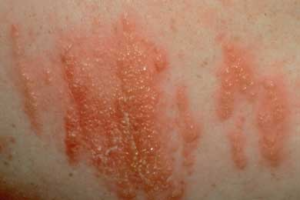
Poison ivy contains an oily resin called urushiol, which is responsible for the itchy rash many people experience after contact. The oil can spread easily from the plant to skin, clothing, shoes, gardening tools, and even pet fur. In some cases, exposure can happen without directly touching the plant at all.
Poison ivy usually appears as a vine or low-growing plant with clusters of three leaves. The leaves are often green during spring and summer and can turn yellow, orange, or red in the fall. It commonly grows along wooded edges, fences, flower beds, drainage areas, and neglected corners of yards.
The biggest issue with poison ivy is how aggressively it spreads. A small patch can quickly expand if left untreated. That is why early poison ivy control is essential for maintaining a safe outdoor space.
How to Identify Poison Ivy
Correct identification is the first step in effective poison ivy removal. Many plants resemble poison ivy, so it helps to know the key characteristics.

Look for these common signs:
- Groups of three leaflets
- Glossy or slightly shiny leaves
- Leaves with smooth or jagged edges
- Thin vines climbing trees or fences
- Red or orange coloring during spring and fall
The old saying “leaves of three, let it be” remains one of the easiest ways to remember how to identify poison ivy. However, because the plant can vary in appearance, homeowners should still use caution when dealing with unfamiliar vegetation.
Why Quick Poison Ivy Control Matters
Ignoring poison ivy can create bigger problems over time. The plant spreads underground through root systems and above ground through vines. Once established, it can overtake landscaping beds, trees, and fence lines.
Poison ivy in yard spaces also creates safety concerns for children and pets. Dogs and cats may not react to the plant the same way humans do, but urushiol oil can cling to their fur and transfer to people later.
Another important factor is that dead poison ivy plants can still contain active urushiol oil. Even after cutting or pulling the plant, the oils may remain potent for months if not properly cleaned up.
Consistent poison ivy control reduces the likelihood of future outbreaks and helps preserve the health and appearance of your landscape.
Essential Safety Tips Before Removal
Before starting any poison ivy removal project, it is critical to protect yourself properly. One mistake can result in painful skin irritation.
If you plan to remove poison ivy yourself, wear:
- Long sleeves and long pants
- Waterproof gloves
- Closed-toe boots
- Safety glasses
- Disposable coveralls if available
Avoid touching your face while working, and keep pets and children away from the area during removal.
One of the most important rules is never to burn poison ivy. Burning releases urushiol particles into the air, which can cause severe respiratory irritation if inhaled.
Learning how to safely remove poison ivy means treating every part of the plant as potentially hazardous.
The Best Way to Remove Poison Ivy
The best way to remove poison ivy depends on the size of the infestation and where it is growing. Small patches may be manageable with manual removal, while larger infestations often require herbicide treatments or professional assistance.
Manual Removal
Manual removal is effective for small or isolated patches. This method works best when the soil is slightly damp because roots are easier to pull.
Follow these steps:
- Use a shovel or garden trowel to loosen the soil around the roots.
- Carefully pull the entire plant, including the root system.
- Place all plant material into heavy-duty trash bags immediately.
- Dispose of the bags according to local waste guidelines.

Removing the roots is important because poison ivy can regrow from even small leftover root fragments.
Herbicide Treatment
For larger infestations, herbicides are often the most effective solution. Many homeowners use glyphosate-based or triclopyr-based products designed specifically for woody vines and invasive plants.
When using herbicides:
- Apply on a dry, calm day
- Avoid spraying nearby desirable plants
- Follow all product instructions carefully
- Reapply if regrowth occurs
Herbicides can take several days or weeks to fully kill the plant. Patience and repeated monitoring are often necessary.
Natural Removal Methods
Some homeowners prefer natural alternatives when considering how to kill poison ivy. Vinegar, salt, and dish soap mixtures are commonly used for spot treatments.
A typical mixture includes:
- 1 gallon of white vinegar
- 1 cup of salt
- A few drops of dish soap
Spray the mixture directly onto the leaves during sunny weather. While natural methods may work on young plants, larger infestations often require repeated applications and stronger solutions.
How to Safely Remove Poison Ivy After Treatment
After the plants are dead or removed, proper cleanup is essential. Urushiol oil can remain active on surfaces long after the plant is gone.
Take these cleanup steps seriously:
- Wash tools thoroughly with soap and water
- Launder clothing separately using hot water
- Clean boots and gloves carefully
- Shower immediately after removal work
- Avoid touching contaminated surfaces with bare skin
If you experience a rash, wash the affected area as quickly as possible and use over-the-counter creams or antihistamines for relief. Severe reactions may require medical attention.
Preventing Poison Ivy From Returning
Successful poison ivy control does not stop after removal. Prevention is key to avoiding future growth.
Here are several ways to reduce the chances of regrowth:
Maintain Healthy Landscaping
Overgrown areas create ideal conditions for poison ivy. Keeping grass trimmed and shrubs maintained makes it harder for invasive plants to spread.
Use Mulch in Problem Areas
Mulch blocks sunlight and suppresses weed growth. Applying mulch near fence lines and wooded areas can help prevent new poison ivy seedlings from emerging.
Inspect Your Property Regularly
Early detection makes poison ivy removal much easier. Walk your property regularly and remove small patches before they become established.
Address Fence Lines and Tree Bases
Poison ivy commonly spreads along fences and climbs trees. Monitoring these areas closely can help prevent larger infestations later.
When to Hire Professional Poison Ivy Removal Services
While some homeowners choose the DIY route, there are times when hiring professionals is the safer and more practical choice.
Professional services are especially helpful when:
- The infestation covers a large area
- Poison ivy is climbing mature trees
- The plant is mixed into dense landscaping
- You are highly allergic to urushiol
- Repeated DIY treatments have failed
Professionals understand how to safely remove poison ivy while minimizing the risk of exposure. They also have access to commercial-grade treatment products and specialized equipment.
In many cases, professional poison ivy removal saves homeowners time, frustration, and repeated exposure to the plant.
What Affects Poison Ivy Removal Cost?
The cost of poison ivy removal varies depending on several factors.
These may include:
- Size of the affected area
- Severity of infestation
- Accessibility of the location
- Whether vines are attached to trees or structures
- Type of treatment required
Small removal jobs may be relatively affordable, while large or recurring infestations may require ongoing treatment plans.
Although some homeowners hesitate to hire professionals due to cost, professional poison ivy control often prevents larger landscaping expenses down the road.
Common Mistakes to Avoid
When dealing with poison ivy in yard spaces, avoiding common mistakes is important.
Burning the Plant
Burning poison ivy is extremely dangerous because inhaling urushiol smoke can cause serious respiratory problems.
Using Weed Trimmers Without Protection
String trimmers and lawn equipment can spread urushiol oil into the air. Always use caution when mowing near suspected poison ivy.
Leaving Roots Behind
Incomplete removal often leads to regrowth. Digging up the root system is essential for long-term success.
Forgetting to Clean Tools
Contaminated tools can spread urushiol long after removal is complete. Always wash equipment thoroughly after use.
Keep Your Yard Safe and Poison Ivy-Free
Dealing with poison ivy can feel overwhelming, but taking quick action can protect your family, pets, and landscaping from ongoing problems. Whether you choose manual removal, herbicide treatments, or professional services, understanding the best way to remove poison ivy is the first step toward reclaiming your outdoor spaces.
Consistent monitoring and prevention are essential for long-term poison ivy control. Small infestations are much easier to manage before they spread throughout your property.
If you are struggling with poison ivy in yard areas or want help learning how to safely remove poison ivy, professional assistance can make the process faster, safer, and more effective.
Ready to Take Back Your Yard?
Our team provides reliable poison ivy removal and vegetation control services designed to keep your property safe and comfortable year-round. Contact us today to schedule an inspection and learn more about customized poison ivy control solutions for your home.