
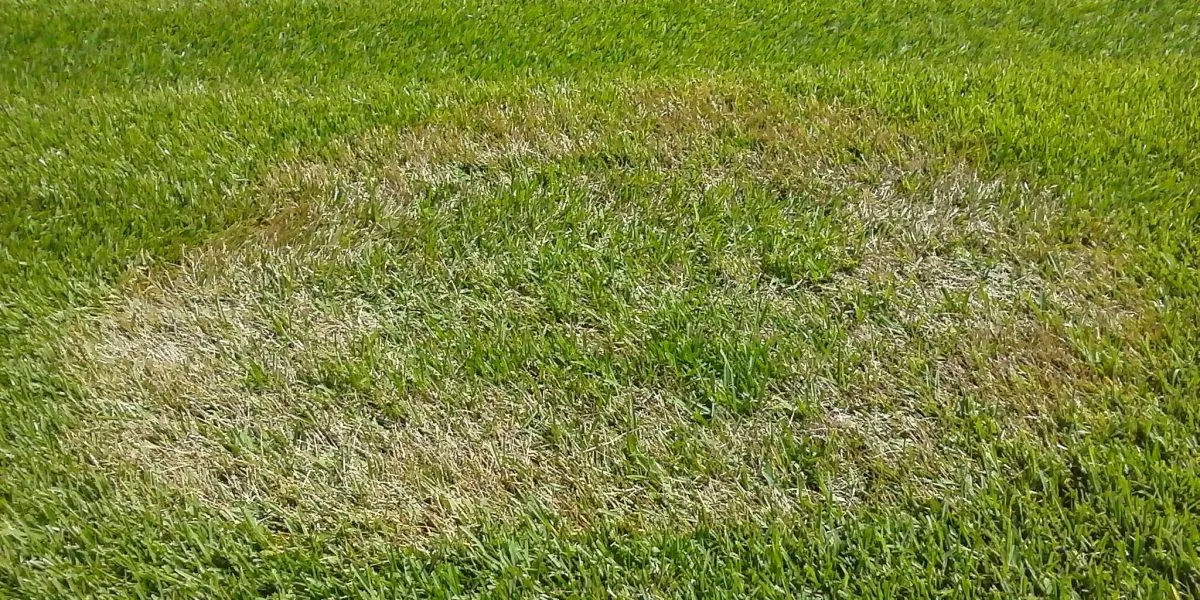
As the scorching Houston summer gives way to the cooler, more humid temperatures of fall, a formidable lawn intruder prepares to make its annual appearance: brown patch fungus. This common and destructive turfgrass disease, caused by the fungus Rhizoctonia solani, can rapidly transform a lush, green lawn into a patchy, unsightly mess. The good news is that by understanding the nature of this fungus and implementing a few key strategies, you can effectively detect, treat, and prevent brown patch from taking over your yard, preserving the beauty and health of your lawn.
What Exactly Is Brown Patch?
Brown patch is a widespread fungal disease that thrives in specific environmental conditions. It is particularly active in Houston’s fall climate, where nighttime temperatures typically hover between 65°F and 85°F, and high humidity and prolonged periods of moisture are common. The fungus itself attacks the leaf blades of the grass, causing them to rot and die, but it generally leaves the plant’s crown and root system unharmed. This means that with proper intervention and care, your lawn has a strong chance of recovering from an infection.
How to Identify Brown Patch on Your Lawn
Identifying this lawn fungus at its earliest stages is the first and most critical step toward a successful lawn fungus treatment. Look for the following distinct symptoms, which are often the first clues that your lawn is under attack:

- Distinctive Brown Circular Patches: The most common and recognizable sign is the emergence of circular or irregular patches of light brown or yellowish thinned grass. These patches can start as small as a few inches in diameter and expand to several feet.
- The “Smoke Ring” Effect: In the early morning hours, especially when there’s dew, you might observe a thin, dark brown or grayish ring at the edge of the patch. This so-called “smoke ring” is a key indicator of actively spreading disease and is a tell-tale sign of a brown patch infection.
- Wilted and Matted Grass Blades: Within the affected areas, the grass blades may appear wilted, sunken, or matted. Upon closer inspection, you may be able to see lesions on the individual blades of grass—these are often tan with a distinctive dark brown border.
Why Does Overwatering Your Lawn Cause Brown Patches?
This is a frequently asked question, and the answer is simple: it’s a primary contributor. While grass needs water to survive and thrive, brown patch fungus absolutely loves excessive moisture. Overwatering your lawn, especially in the late evening, keeps the grass blades wet for extended periods, creating the perfect environment for the fungus to germinate and proliferate.
Other significant factors that contribute to the development of brown patch include:
- Excessive Nitrogen from Fertilizer: Over-fertilizing, particularly with quick-release nitrogen, can cause a sudden surge of lush, tender growth. This succulent new growth is far more susceptible to fungal attacks than hardened, established blades.
- Poor Air Circulation and Drainage: Areas of the lawn that are heavily shaded, have compacted soil, or possess an abundance of thatch can trap moisture and significantly increase the risk of disease.

Effective Lawn Fungus Control and Treatment
When it comes to managing brown patch, a strategic and multifaceted approach is the most effective way to regain control and restore the health of your lawn. This involves a combination of cultural practices and, when necessary, targeted chemical interventions.
- Adjust Your Watering Schedule: The single most important change you can make is to reduce watering frequency. Water only when the top inch of soil is dry. Always water in the early morning to allow the sun and air to dry the grass blades completely before evening.
- Improve Airflow and Drainage: Core aeration of your lawn can dramatically improve soil drainage and reduce compaction. Regularly raking up fallen leaves and other debris will also enhance air circulation, making the environment less hospitable to the fungus.
- Rethink Your Fertilization Strategy: In the fall, avoid applying high-nitrogen fertilizers. If you must fertilize, opt for a slow-release formula. Using organic soil amendments can also promote a healthier soil ecosystem that is more resilient to disease.
- Consider a Fungicide Application: For active or particularly severe infections, a fungicide application may be necessary as part of your comprehensive lawn fungus control plan. Both chemical and organic products are available at most local garden centers. Always be sure to read and follow the application instructions on the product label to ensure effectiveness and safety.
By diligently following these guidelines, you can help your lawn fight off brown patch and maintain a vibrant, healthy appearance throughout the season.