Common Soil Problems in Houston: Why Your Lawn Struggles (and What to Do About It)
by:
GreenGate Turf, Pest, & Irrigation
If you’re dealing with thinning grass, yellow patches, standing water, or a lawn that just doesn’t respond to fertilizer, you’re not alone. Many Houston homeowners assume the issue is the grass itself — but in reality, the problem usually starts below the surface.
Houston lawns face a unique mix of clay-heavy soil, challenging soil chemistry, and extreme moisture swings, all of which contribute to some very common — and very fixable — soil problems. Understanding these issues is the first step toward a healthier, more resilient lawn.
Below, we break down the most common soil problems in Houston, explain why they happen, and share how they affect your lawn long-term.
One of the most common soil problems in Houston is heavy clay soil. Clay particles are extremely small and pack together tightly, which creates dense soil that resists water movement and root growth.
Why this matters for your lawn:
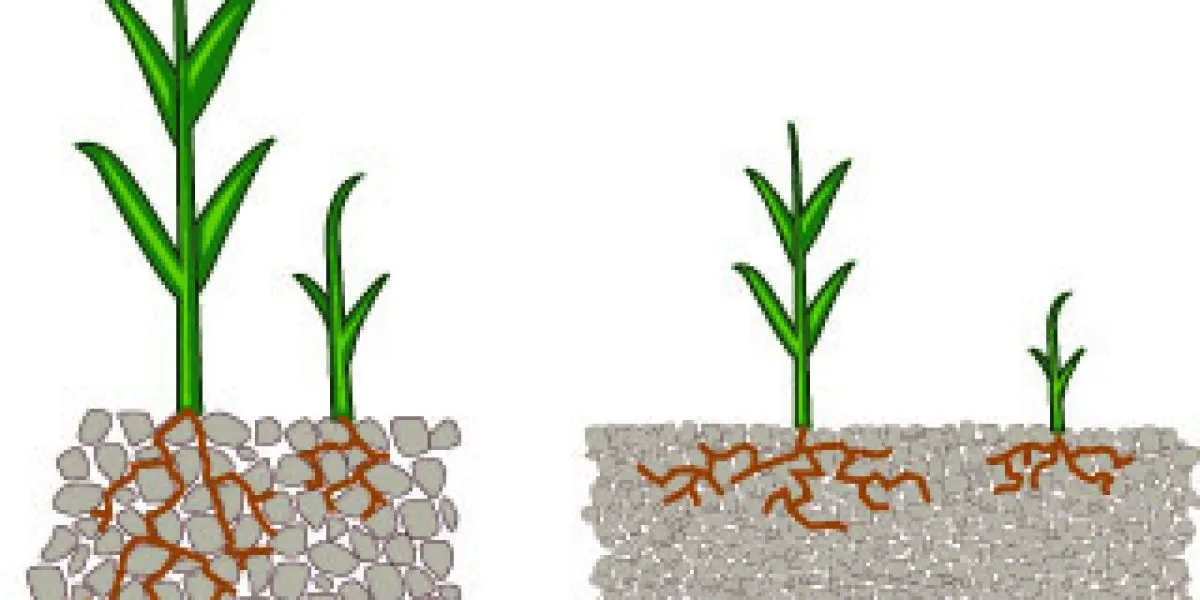
Left: Soil with good structure (non-sodic soil). Right: Soil with poor and dense structure (sodic soil).
Roots struggle to grow deep
Oxygen has a harder time reaching the root zone
Water drains slowly after rain or irrigation
Clay soil isn’t inherently bad — in fact, it can hold nutrients well — but without proper care, it creates a tough environment for turfgrass. This is why amending clay soil is so important for long-term lawn health in Houston.
2. Soil Compaction
Closely tied to clay soil is soil compaction, another major contributor to poor lawn performance. Compaction happens when soil particles are pressed tightly together due to:
Foot traffic
Lawn equipment
Construction activity
Natural settling in new neighborhoods
Signs of compacted soil include:
Hard ground that’s difficult to penetrate
Water pooling on the surface
Grass that thins out despite regular watering
Compacted soil prevents roots from accessing water, oxygen, and nutrients — even when those nutrients are present in the soil.
3. Lawn Drainage Problems
Houston is no stranger to heavy rainfall, and clay soils only make matters worse. Lawn drainage problems are extremely common in this area because clay does not allow water to move downward easily.
When water can’t drain properly:
Roots stay saturated for too long
Oxygen levels drop in the soil
Fungal diseases become more likely
Poor drainage doesn’t just affect turf health — it also worsens compaction and accelerates soil structure breakdown over time.
4. High pH Soil
Another one of the most misunderstood common soil problems in Houston is high pH soil. Many local soils trend neutral to alkaline, which can create serious nutrient availability issues.
If you’ve ever wondered what causes high pH in soil, the answer is usually a combination of:
High clay content
Calcium-rich soil
Concrete and foundation runoff
Irrigation water with elevated pH
High pH doesn’t mean your soil lacks nutrients — it means the nutrients may not be available to your grass.
5. Nutrient Lockout in High pH Conditions
When soil pH rises too high, nutrients like iron, manganese, and zinc become chemically unavailable to plants. This condition is often referred to as nutrient lockout.
Common symptoms include:
Yellowing grass, especially in new growth
Poor color despite fertilization
Patchy or uneven turf
This is why adding more fertilizer often doesn’t fix the problem. Without correcting pH and soil chemistry, nutrients stay locked in the soil instead of feeding the grass.
6. High CEC Soil and Nutrient Imbalances
Houston’s clay soils often have high CEC soil, which refers to a soil’s ability to hold positively charged nutrients. CEC stands for cation exchange capacity, and while it sounds complicated, the concept is simple.
What Is Cation Exchange Capacity?
If you’re asking what is cation exchange capacity, it’s a measure of how many nutrients your soil can store and exchange with plant roots. Clay and organic matter increase CEC, which is why many Houston soils test high in this area.
The challenge:
High cation exchange capacity means nutrients can be held very tightly — especially in clay soils with high pH. This can lead to:
Nutrient imbalances
Slow correction of deficiencies
Over-accumulation of certain elements like calcium
High CEC isn’t a bad thing, but it requires a more strategic approach to fertilization and soil amendments.
7. Calcium-Dominant Soil Chemistry
Many Houston soils contain elevated calcium levels, which can:
Raise soil pH
Increase soil hardness
Compete with magnesium and potassium uptake
Excess calcium contributes to both high pH soil and compaction issues, making it harder for turfgrass to access balanced nutrition. This is another reason why soil testing is essential — without it, treatments are often guesswork.
8. Low Organic Matter Content
Despite being clay-heavy, many Houston lawns are surprisingly low in organic matter. Organic matter plays a critical role in:
Improving soil structure
Supporting beneficial microbes
Helping nutrients stay plant-available
Improving drainage in clay soil
Low organic matter makes clay soil denser, harder, and less biologically active — all of which negatively impact turf health.
9. Inconsistent Moisture Levels
Houston’s climate creates rapid swings between heavy rain and dry periods. Clay soil expands when wet and shrinks when dry, which:
Stresses turf roots
Worsens compaction
Disrupts nutrient uptake
This constant fluctuation compounds many of the common soil problems listed above, especially in lawns without proper drainage or aeration.
Why a Lawn Soil Test Matters
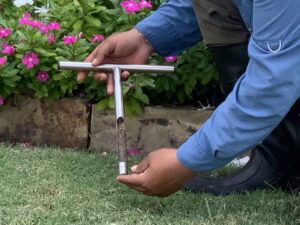
Because so many Houston soil issues are chemical — not just physical — a lawn soil test is one of the most important steps in improving lawn health.
Instead of guessing, soil testing allows for targeted treatments that actually address the root of the problem. Learn more about understanding the results of a lawn soil test by visiting our soil testing blog.
Fixing Common Soil Problems Starts Below the Surface
Houston lawns don’t struggle because homeowners aren’t trying hard enough — they struggle because the soil requires a more thoughtful approach. Addressing common soil problems like compaction, high pH, drainage issues, and nutrient lockout takes more than fertilizer alone.
The good news? With proper testing, strategic amendments, and professional care, even the toughest Houston soil can be improved over time.
Ready to Improve Your Lawn from the Ground Up?
If your lawn isn’t responding the way it should, the issue is likely hiding in the soil. At GreenGate Turf & Pest, we specialize in diagnosing and correcting Houston’s most challenging soil conditions — from amending clay soil to correcting high pH and nutrient imbalances.