
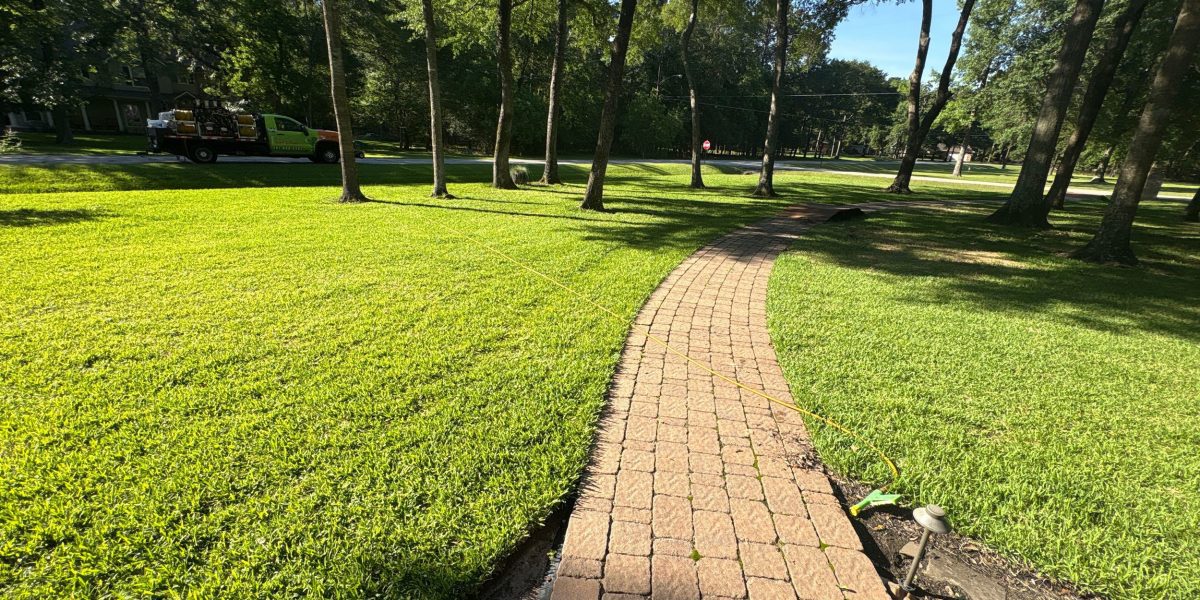
Choosing a company for lawn care in Spring, TX is not just about finding someone with a mower. The right provider understands Gulf Coast heat, heavy rain patterns, clay-heavy soils, fast-growing warm-season turf, weeds, insects, and the timing that keeps a yard healthy instead of stressed. This guide walks through what to look for, which services matter most, and how to compare providers before you book spring lawn care.
How do you know a Spring-area lawn service understands local lawns?
A good local provider can explain how they adjust mowing, watering guidance, fertilization, and treatments for Spring’s climate rather than offering the same plan everywhere. In this part of Texas, many lawns include warm-season grasses such as St. Augustine grass, Bermuda grass, or zoysiagrass; Texas A&M AgriLife notes that St. Augustine grass is a favorite on the Upper Texas Gulf Coast and that different turf types need different mowing heights and inputs. A trustworthy lawn service should be able to identify your grass type, spot stress patterns, and recommend seasonal care without rushing straight to unnecessary products.
Local knowledge matters because a lawn can look “bad” for several different reasons. Thin patches may come from shade, dull mower blades, drought stress, drainage problems, insects, disease, or mowing too short. The best yard care Spring homeowners can schedule starts with observation, not guesswork.
The Essential Services for a Healthy Spring Lawn
Spring is when warm-season turf wakes up and begins active growth, so service quality early in the season can shape how the lawn handles summer. When comparing providers, ask what is included in their regular visits and what is considered an add-on. A low mowing price may not be a better value if edging, cleanup, weed control, or turf health recommendations are missing.
Mowing, Edging, and Cleanup
Lawn mowing Spring homeowners request should be more precise than “cut it short and move on.” Proper mowing height depends on the turf. Texas A&M AgriLife lists 1 to 2 inches as a common recommended mowing height for Bermuda grass home lawns, while St. Augustine grass is generally maintained higher, about 2 to 4 inches. Cutting too low can scalp the lawn, expose soil, and make heat stress worse. (
Ask whether the crew changes mowing height by grass type and season, keeps mower blades sharp, and follows the one-third rule: avoid removing more than one-third of the leaf blade at one time. AgriLife guidance also emphasizes sharp blades because dull blades injure grass and leave a rough cut.
Fertilization and Soil Health
Good lawn treatment Spring, TX residents can rely on should be timed to the lawn’s actual growth, not simply the first warm weekend. Warm-season grasses generally benefit from fertilization during active growth, and soil testing helps determine what nutrients are actually needed. Texas A&M AgriLife recommends using soil test information to guide fertilizer selection and cautions that fertilization and irrigation drive much of the work and cost involved in maintaining a lawn.
A professional service should be willing to explain what they are applying, why they are applying it, and how watering should be handled afterward. If your lawn is shaded, newly sodded, patchy, or recovering from disease, the plan may need adjustment.
Weed, Pest, and Disease Management 
Spring yard maintenance often includes controlling broadleaf weeds, crabgrass, sedges, fire ants, grubs, or fungal issues. Timing matters. AgriLife lawn guidance notes that broadleaf weeds are often best treated in early spring while they are young and actively growing, and pre-emergent herbicides may be useful when warm-season annual weeds have been a recurring problem.
Fire ants deserve special attention in Southeast Texas yards because they affect how safely families, pets, and guests can use the lawn. Texas A&M’s fire ant program recommends fall baiting as an especially useful strategy, followed by regular maintenance, but spring service visits are still a smart time to inspect for active mounds and plan control.
Aeration, Debris Removal, and Landscape Touch-Ups
Aeration can help compacted soil breathe and absorb water more efficiently, especially in high-traffic areas. It is not needed for every lawn every year, so a credible provider should evaluate soil compaction before selling it. Yard debris removal, shrub trimming, bed cleanup, and irrigation checks may also be helpful during spring, especially after winter storms or heavy leaf drop.
These extras are where grass maintenance Spring packages can differ a lot. One company may only mow, blow, and go. Another may provide broader spring yard maintenance that supports the whole property, not just the turf.
A Practical Checklist for Comparing Providers
Before hiring any lawn service Spring homeowners should compare more than price. The best fit is usually the company that communicates clearly, shows up consistently, and has a process for handling problems.
Use this checklist during calls or quote requests:
- Local turf knowledge: Can they identify St. Augustine grass, Bermuda grass, zoysiagrass, or mixed turf and explain how care changes by grass type?
- Service scope: Does the visit include mowing, edging, blowing, cleanup, and basic lawn observation, or are those separate charges?
- Treatment transparency: Will they tell you what fertilizer, herbicide, pesticide, or fungicide they use and why?
- Scheduling reliability: Do they offer a regular service day or clear weather-delay communication?
- Insurance and safety: Can they confirm appropriate business insurance and safe handling practices for equipment and treatments?
- Customer support: Is there an easy way to report missed areas, property damage, or dissatisfaction?
- Photos or visit notes: Do they document completed work, especially if you are not home during service?
- Customization: Will they adjust mowing height, treatment timing, and frequency for your yard instead of forcing a one-size plan?
A company does not need fancy technology to be excellent, but it does need dependable systems. If you struggle to get a clear answer before hiring, communication may not improve after the first invoice.
What Should a Seasonal Lawn Care Plan Include?
A useful seasonal plan should connect regular mowing with soil, weeds, pests, watering, and cleanup. In Spring, TX, that means easing the lawn out of dormancy, encouraging healthy growth, and preparing it for heat and humidity without pushing too much top growth too soon. The best spring lawn care plans are steady, measured, and tailored to what the yard is actually doing.
Here is a simple spring-focused framework to discuss with a provider:
|
Season window |
What to evaluate |
Why it matters |
|
Early spring |
Winter damage, weeds, mower height, drainage, debris |
Sets the baseline before aggressive growth begins |
|
Mid-spring |
Active growth, mowing frequency, weed pressure, soil needs |
Helps the lawn thicken while weeds are easier to manage |
|
Late spring |
Fertility, irrigation coverage, insects, disease signs |
Prepares turf for hotter summer conditions |
|
Ongoing |
Cut quality, edging, cleanup, treatment results |
Keeps small issues from becoming expensive repairs |
This kind of plan is more useful than a generic calendar because Spring weather can swing between wet, warm, dry, and stormy. Your provider should watch conditions and adjust.
Signs of a Reliable Lawn Care Company
A dependable provider makes your life easier, not more complicated. They confirm what they will do, arrive within the expected service window, close gates, avoid damaging beds or irrigation heads, and leave the property clean. They also communicate when rain, soggy soil, or unsafe conditions make mowing a bad idea.
Look for a company that explains tradeoffs. For example, mowing too low may make a lawn look neat for a few days but weaken the turf. Overwatering may seem helpful, yet it can encourage shallow roots or disease. Heavy fertilizer may green the lawn quickly but increase mowing demand and stress if not matched to soil and turf needs.
The provider’s attitude matters too. If they blame every problem on the homeowner, ignore photos, or resist walking the property, keep looking. Good professionals are realistic: they cannot make every yard perfect overnight, but they can explain the path to improvement.
How Price Should Fit into Your Decision
Price matters, but it should be weighed against consistency, scope, and risk. A very low quote may exclude edging, bagging, debris removal, weed treatment, or travel time. It may also mean crews rush through visits, cut with dull blades, or skip communication when weather changes.
When reviewing estimates, ask for the billing structure. Some companies price per visit, some use monthly plans, and others separate mowing from lawn treatment. If treatments are included, ask how often they occur and whether the plan changes based on lawn condition.
Also consider the cost of poor service. Scalped turf, broken sprinkler heads, chemical misapplication, or missed visits during peak growth can create more work than the original savings were worth. The goal is not to buy the most expensive service; it is to choose the provider whose value is clear.
Common Homeowner Scenarios in Spring, TX
A lawn care service becomes easier to evaluate when you think about your actual pain point.
- The lawn grows unevenly. You may need mowing height adjustments, irrigation review, shade evaluation, or different expectations for mixed turf.
- Weeds return quickly. Ask about pre-emergent timing, post-emergent treatments, mowing practices, and whether bare soil is allowing weeds to establish.
- Fire ants keep appearing. Look for a service that can inspect, treat active problems, and discuss longer-term maintenance rather than one-time mound chasing.
- The yard looks messy after mowing. Clarify edging, blowing, clippings, gate closure, and cleanup standards before booking.
- You want fewer weekend chores. Bundle mowing, bed cleanup, shrub trimming, and seasonal treatments into a manageable schedule.
These scenarios show why the best provider is not always the one with the shortest visit. A thoughtful service helps prevent repeat problems.
Final Takeaway
Choosing a lawn care service in Spring, TX comes down to local knowledge, clear communication, proper mowing, responsible treatments, and reliable follow-through. Look for a team that understands warm-season grasses, explains its process, and builds a plan around your yard’s condition rather than a generic package.
If you compare providers with the checklist above, you will be better prepared to choose spring lawn care that protects curb appeal, saves time, and keeps your outdoor space more usable through the demanding Texas growing season.
Ready for a Healthier Lawn? Let GreenGate Help!
GreenGate Turf, Pest, & Irrigation provides comprehensive lawn care services designed to keep Spring, TX lawns healthy, attractive, and ready for the demands of the Texas climate. From routine mowing and fertilization to weed and pest control, our team understands what local lawns need throughout the year. Whether you’re looking to improve your lawn’s health, simplify your outdoor maintenance, or find a dependable team you can count on, we’re here to help. Contact GreenGate Turf, Pest, & Irrigation today to discover how we can help your lawn thrive!