
Fall may bring cooler temperatures to the Houston area, but your lawn still needs attention as the seasons change. While grass may not grow as quickly as it does during the summer, proper watering remains important for maintaining healthy turf. At the same time, cooler temperatures, humidity, and inconsistent rainfall can create new challenges for homeowners who want to keep their lawns looking their best.
A fall sprinkler inspection helps ensure your irrigation system delivers the right amount of water to the right places. Broken sprinkler heads, uneven coverage, incorrect watering schedules, and hidden leaks can contribute to lawn stress and unnecessary water use. These issues may also create conditions that favor fungal diseases, including brown patch and gray leaf spot.
For homeowners in Houston and surrounding communities, fall is an excellent time to evaluate sprinkler performance and adjust irrigation practices before winter arrives. Whether you have St. Augustine, Bermuda, or zoysia grass, a little preventative maintenance can help support healthier turf throughout the cooler months.
Why Is a Fall Sprinkler Inspection Important?
Your sprinkler system works hard during the hot Texas summer. After months of frequent use, sprinkler heads may become clogged, damaged, or misaligned. Lawn equipment, foot traffic, settling soil, and normal wear can also affect how evenly your system distributes water.
As temperatures cool, your lawn’s water requirements typically decrease. However, that doesn’t mean you should simply turn off your irrigation system and forget about it until spring.
A fall sprinkler inspection helps you identify problems before they contribute to turf damage or become more expensive to repair. It also gives you an opportunity to adjust your watering schedule to reflect changing weather conditions.
Here are several reasons to inspect your sprinkler system in the fall:
- Identify broken, clogged, or misaligned sprinkler heads.
- Correct uneven water distribution that leaves some areas too wet and others too dry.
- Adjust watering schedules to account for cooler temperatures and rainfall.
- Reduce unnecessary water use and runoff.
- Help avoid prolonged leaf wetness and excessively moist conditions that can encourage fungal diseases.
- Support healthy root development and overall turf health.
Even if your lawn looks healthy, your irrigation system may not be operating as efficiently as it should. An inspection can uncover problems that aren’t immediately obvious, helping you maintain more consistent watering throughout the fall and winter.
What Should You Check During a Sprinkler Inspection?
A thorough sprinkler inspection involves more than turning on the system and checking whether water comes out. Each zone should be evaluated to ensure the heads operate correctly and provide appropriate coverage.
1. Inspect Sprinkler Heads for Damage
Sprinkler heads can become damaged or obstructed over time. A mower may strike a head, dirt may accumulate in a nozzle, or roots and shifting soil may affect its position.
Look for heads that are cracked, leaking, tilted, stuck, or failing to pop up completely. Check for water spraying onto sidewalks, driveways, fences, or other areas that don’t need irrigation.
A damaged head can waste water while leaving nearby grass under-watered. Replacing or repairing it helps restore proper coverage and reduces unnecessary water use.
2. Check Sprinkler Coverage
Proper sprinkler coverage is essential for maintaining an evenly watered lawn. Ideally, the spray from neighboring heads should overlap enough to distribute water consistently across the intended area.
If one sprinkler head sprays farther than another, or if a head is blocked by landscaping, you may notice dry patches alongside areas that remain consistently wet.
Poor sprinkler coverage can contribute to several lawn problems, including:
- Brown or dry patches caused by insufficient water.
- Oversaturated soil in areas receiving too much water.
- Uneven turf growth and inconsistent grass color.
- Increased stress that makes grass more vulnerable to environmental challenges.
During your inspection, observe each zone as it runs. Look for weak spray patterns, blocked nozzles, water pooling, and areas that receive little or no water. Correcting these problems can help your lawn receive more consistent irrigation.
3. Look for Leaks and Pressure Problems
Leaks aren’t always easy to spot. Some occur underground, while others appear as small drips around sprinkler heads or valves.
Signs of a potential irrigation problem include unusually soggy areas, unexplained increases in water use, weak sprinkler spray, and water bubbling up around a head.
Low water pressure can prevent sprinkler heads from distributing water effectively. Excessively high pressure may produce a fine mist that drifts away before reaching the grass.
Addressing these issues can improve irrigation efficiency and help prevent the combination of dry and overly wet areas that sometimes develops when a system isn’t functioning correctly.
4. Review Your Irrigation Controller
Your irrigation controller determines when and how long your sprinkler system operates. A schedule that worked well in July may provide too much water in November.
Review your programmed watering days and run times. Consider recent rainfall, current temperatures, soil moisture, and the type of grass in your yard.
If your controller includes seasonal adjustment settings, use them to reduce watering as appropriate. A rain sensor can also help prevent unnecessary irrigation after rainfall.
Avoid relying on a fixed schedule throughout the year. Adjusting your system as conditions change is an important part of effective irrigation maintenance.
How Fall Lawn Watering Affects Lawn Health
Fall lawn watering requires a different approach from summer irrigation. Shorter days, cooler temperatures, and seasonal rainfall generally reduce the amount of supplemental water a lawn needs.
However, Houston’s weather can remain warm and humid well into the fall. Extended dry periods may still occur, and established turf may need occasional irrigation to prevent drought stress.
The goal is to provide enough water to support healthy grass without keeping the soil or grass blades unnecessarily wet.
Avoid Overwatering Your Lawn
Overwatering is a common irrigation mistake. Homeowners may continue running their sprinklers on a summer schedule even after temperatures drop and rainfall becomes more frequent.
Excessive irrigation can contribute to saturated soil, poor soil aeration, and conditions favorable to certain lawn diseases. Frequent watering late in the day or at night can also prolong the time grass blades remain wet.
Instead of automatically running your sprinklers according to the calendar, check soil moisture and monitor weather conditions. Skip or adjust scheduled irrigation when rainfall has already provided sufficient moisture.
Don’t Let Your Lawn Become Too Dry
Reducing irrigation doesn’t mean your lawn should be left without water for extended periods.
Grass that experiences prolonged drought may develop discoloration, slowed growth, and weakened turf. Water stress can also make it more difficult for grass to recover from other environmental challenges.
When supplemental watering is necessary, aim to water deeply enough to moisten the root zone without creating runoff or prolonged saturation. The amount and frequency will depend on your grass type, soil conditions, weather, and irrigation system.
For Houston-area lawns, the best fall watering schedule is one that responds to actual conditions rather than following the same routine throughout the year.
Can Sprinkler Problems Contribute to Lawn Fungus?
Yes. Irrigation problems can contribute to conditions that favor lawn fungus, although they are not the only cause of fungal diseases.
Warm temperatures, high humidity, susceptible grass varieties, poor airflow, and prolonged leaf wetness can all influence disease development. Excessive watering and poorly timed irrigation may make some fungal problems more likely, particularly when grass remains wet for extended periods.
Two common lawn diseases that Houston homeowners may encounter are gray leaf spot and brown patch fungus.
Gray Leaf Spot
Gray leaf spot is a fungal disease that commonly affects St. Augustine grass, a popular turf variety throughout the Houston area.
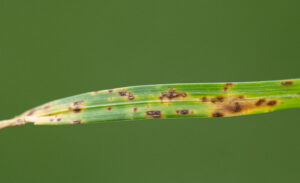
The disease often produces small, brown or grayish lesions on grass blades. As symptoms progress, affected leaves may develop elongated spots with darker borders, and heavily affected areas can appear thin or discolored.
Warm, humid weather favors gray leaf spot development. Excessive moisture, prolonged leaf wetness, and conditions that encourage lush, susceptible growth can increase the risk of infection.
An irrigation system that runs too frequently or operates at night may contribute to prolonged leaf wetness. Correcting these watering practices can help reduce favorable conditions for disease development, although it won’t eliminate every risk.
If you notice suspicious spots on your grass, avoid assuming that watering is the only problem. Accurate identification is important because nutrient deficiencies, environmental stress, insects, and other diseases can produce similar symptoms.
Brown Patch Fungus
Brown patch is another common fungal disease affecting Houston-area lawns, particularly St. Augustine grass. It is caused by a fungus in the Rhizoctonia group and often becomes more noticeable when temperatures cool while humidity and moisture remain high.
Symptoms may include roughly circular patches of discolored grass, thinning turf, and yellowing or browning leaf blades. The exact appearance varies depending on grass type and environmental conditions.
Excess moisture, poor drainage, and prolonged periods of favorable weather can contribute to brown patch development. However, brown patch can occur even when a sprinkler system is functioning properly because rainfall, humidity, soil conditions, and other factors also influence disease activity.
A fall sprinkler inspection can help identify irrigation problems that may be making conditions worse. Adjusting watering practices, improving coverage, and avoiding unnecessary irrigation are useful steps toward supporting lawn health.
If brown patch symptoms are present, additional measures may be needed depending on the severity of the problem. Proper diagnosis can help determine whether cultural adjustments, targeted treatment, or both are appropriate.

How Proper Irrigation Maintenance Supports Stronger Roots
Healthy roots help grass absorb water and nutrients while supporting overall turf resilience. Irrigation practices play an important role in maintaining the soil moisture that roots need.
Frequent, shallow watering can encourage roots to remain concentrated near the soil surface, particularly when deeper soil layers remain dry. This can leave turf more vulnerable to heat and drought stress when surface moisture disappears.
On the other hand, excessive irrigation can leave soil saturated and limit the oxygen available to roots. Poorly drained soil may also make it harder for roots to function effectively.
The goal is to maintain appropriate soil moisture without repeatedly wetting the surface or keeping the root zone saturated.
To encourage healthy root development:
- Water deeply enough to moisten the active root zone when irrigation is needed.
- Allow the soil to dry appropriately between watering events without letting the grass become severely stressed.
- Adjust irrigation frequency according to weather, soil type, and grass variety.
- Repair sprinkler heads that create dry spots or concentrate too much water in one area.
- Check for drainage problems that cause water to collect in low-lying parts of the yard.
Remember that healthy roots depend on more than watering alone. Soil structure, compaction, drainage, mowing practices, and overall turf management also influence root growth.
When Should You Schedule a Professional Sprinkler Inspection?
Some sprinkler problems are easy to spot, but others require a closer look. A professional inspection can help identify issues involving valves, pressure, underground leaks, controller programming, and uneven coverage.
Consider scheduling an inspection if you notice persistent dry spots, unusually wet areas, inconsistent spray patterns, or unexplained changes in water use. It’s also worthwhile if your system hasn’t been checked recently or if you’re unsure whether your watering schedule is appropriate for fall.
For homeowners in Houston, Cypress, and nearby communities, seasonal irrigation maintenance can help keep your system operating efficiently through changing weather conditions.
Fall is also a good time to check that your system is prepared for occasional cold snaps. Although Houston winters are generally mild, freezing temperatures can damage exposed irrigation components. Protect vulnerable equipment when freezing weather is forecast, following the manufacturer’s recommendations.
Regular inspections can help you catch minor issues before they become more significant problems and keep your irrigation system ready for the next growing season.
Protect Your Lawn With Fall Sprinkler Maintenance
Your sprinkler system plays an important role in your lawn’s overall health, even when grass growth begins to slow. Damaged heads, uneven coverage, and outdated watering schedules can waste water and contribute to avoidable turf stress. In some situations, excess moisture can also create conditions that favor lawn diseases such as gray leaf spot and brown patch fungus.
A fall sprinkler inspection helps you identify these issues, adjust your irrigation practices, and prepare your system for the cooler months ahead.
GreenGate Turf, Pest, & Irrigation helps Houston-area homeowners maintain healthy lawns with services designed around local turf conditions and seasonal needs. If your sprinkler system isn’t providing consistent coverage or you’re concerned about your lawn’s health, our team can help you determine the next steps.
Contact GreenGate Turf, Pest, & Irrigation to learn more about our sprinkler and irrigation services. A well-maintained system can help you use water more efficiently and give your lawn the support it needs throughout the year.