
If you have ever spotted a large, reddish-brown insect scurrying across your garage floor or flying near your porch light, you may have wondered whether you were looking at a palmetto bug or a cockroach. For many Texas homeowners, the distinction can be confusing, especially when these insects appear unexpectedly around the house.
The truth is that palmetto bugs are cockroaches. The name palmetto bug is a common term used for certain cockroach species, particularly the American cockroach in the southern United States. Although the name may sound less unpleasant, these insects can still become a nuisance when they enter your home.
Understanding the difference between common cockroach species, why they show up around homes, and how to prevent them from getting inside can help you protect your living space. Here’s what homeowners in Houston, Texas, and the surrounding areas should know about palmetto bugs and other common cockroaches.
What Is a Palmetto Bug?
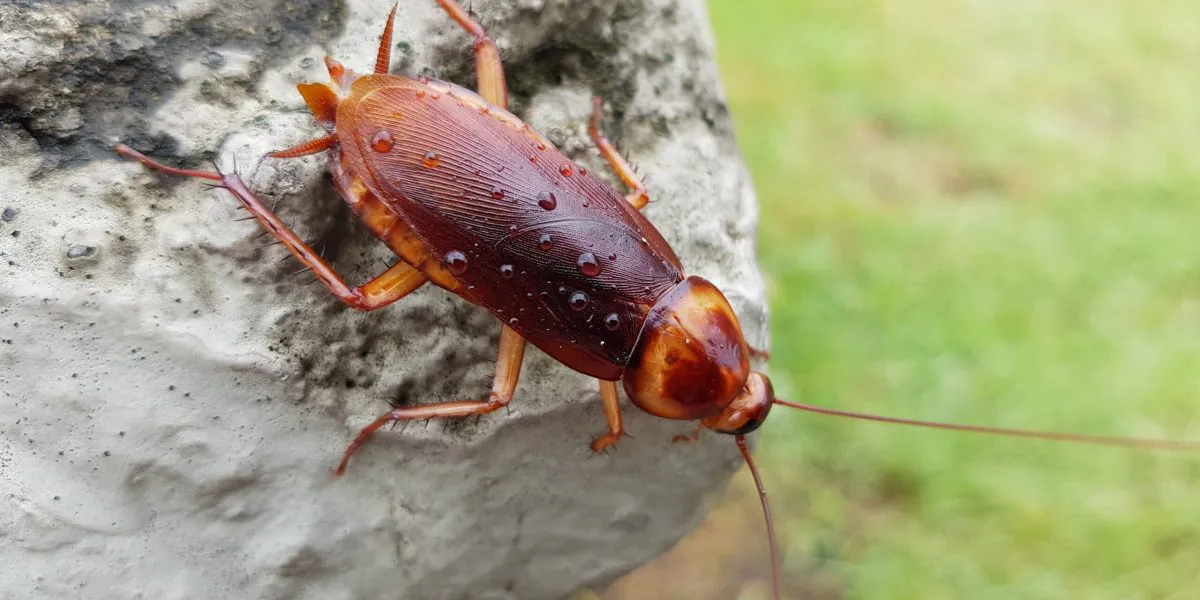
A palmetto bug is a common name for certain large cockroaches found in warm, humid regions. In Texas and other parts of the southern United States, the term most often refers to the American cockroach (Periplaneta americana).
The name comes from the association between these insects and palmetto plants, where cockroaches may shelter beneath leaves and in other protected areas. However, the name is not a formal scientific classification, and its meaning can vary by region.
American cockroaches are typically reddish-brown, with a lighter-colored marking behind the head. Adults can grow to around 1.5 to 2 inches long, making them noticeably larger than many other household pests. They have long antennae, six legs, and wings. Although they can fly short distances under favorable conditions, they are more commonly seen running along floors, walls, and other surfaces.
Palmetto bugs generally prefer warm, damp environments. Outdoors, they may hide beneath mulch, leaf litter, landscape materials, woodpiles, and other debris. They can also inhabit storm drains, sewers, and other sheltered spaces around buildings.
When temperatures, moisture levels, or other conditions change, these insects may wander indoors in search of food, water, and shelter.
Are Palmetto Bugs Cockroaches? 
Yes, palmetto bugs are cockroaches. The confusion comes from the common names people use for different species.
The term cockroach refers to a group of insects that includes several species with different sizes, colors, behaviors, and habitat preferences. Palmetto bug is an informal name commonly applied to certain large cockroaches, especially the American cockroach in Texas.
This means that a palmetto bug is not necessarily a separate insect from a cockroach. Instead, it is usually a cockroach being described by a regional nickname.
However, not every cockroach is a palmetto bug. A small German cockroach found in a kitchen, for example, is also a cockroach, but homeowners would not typically refer to it as a palmetto bug.
Knowing which species you are dealing with matters because different cockroaches behave differently. Some primarily live outdoors and occasionally wander inside, while others can establish persistent indoor infestations.
Palmetto Bugs vs. Roaches: How Do They Compare?
When comparing palmetto bugs vs roaches, the most important distinction is that the terms overlap. A palmetto bug is generally a type of cockroach, but the word roach can refer to many different species.
Here are some characteristics that can help you tell common cockroaches apart.
Size and Appearance
Palmetto bugs, when referring to American cockroaches, are relatively large and reddish-brown. Their size can make them particularly startling when they appear inside a home.
Other cockroach species can be much smaller. German cockroaches, for instance, are usually about half an inch long and light brown, with two dark stripes behind the head. Oriental cockroaches are generally dark brown to black and have a different body shape and appearance.
Habitat Preferences
American cockroaches are often associated with outdoor environments, including damp areas around buildings, drainage systems, and landscaping. They may enter homes while searching for food, moisture, or shelter.
German cockroaches, on the other hand, are strongly associated with indoor environments. They commonly hide near food, water, appliances, and warm, protected spaces in kitchens and bathrooms.
Oriental cockroaches often prefer cool, damp locations such as drains, crawl spaces, and basements where these conditions are present.
Reproduction and Infestations
A large cockroach seen near a doorway may be an outdoor insect that wandered inside. Seeing one does not automatically mean your home has an established infestation.
However, repeated sightings, particularly of smaller cockroaches or multiple life stages, may indicate that a population is reproducing nearby or indoors.
German cockroaches are especially known for establishing indoor infestations because they reproduce quickly and hide in small spaces close to food and water. American cockroaches can also establish populations in suitable sheltered environments, including some parts of buildings and plumbing systems.
Behavior Around People
Cockroaches generally avoid people and prefer dark, protected spaces. They may become more noticeable at night when they emerge to search for food and water.
Some cockroaches, including American cockroaches, can fly short distances. This behavior can make them seem more intimidating, particularly during warm, humid weather.
Regardless of the species, cockroaches can contaminate surfaces and food as they move through unsanitary areas. Proper identification and appropriate control measures can help reduce these risks.
Types of Cockroaches in Texas
Texas has a warm climate that supports several cockroach species. In the Houston area, high humidity, frequent rainfall, and abundant vegetation can provide favorable conditions for cockroaches to thrive.
The following are some of the types of cockroaches in Texas that homeowners may encounter.
1. American Cockroach
The American cockroach is one of the largest cockroach species commonly encountered around Texas homes. Adults are reddish-brown, often measuring 1.5 to 2 inches long, and have a pale marking behind the head.
This species is commonly called a palmetto bug in parts of the South. American cockroaches prefer warm, moist environments and are often found outdoors, in drainage systems, and in protected areas around buildings.
They may enter homes through gaps beneath doors, openings around plumbing, damaged screens, or other entry points. Sealing these openings and reducing excess moisture can help limit unwanted visits.
2. German Cockroach 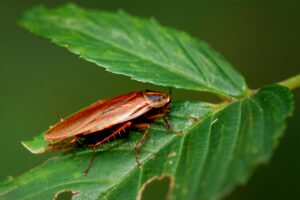
German cockroaches are much smaller than American cockroaches, typically measuring about half an inch long. They are light brown to tan and have two dark, parallel stripes behind the head.
Unlike many American cockroaches that wander indoors from outdoor habitats, German cockroaches are strongly associated with indoor infestations. They are frequently found in kitchens, bathrooms, cabinets, and areas around refrigerators, stoves, and other appliances.
They can reproduce quickly, so even a small number may become a larger problem if conditions are favorable. Repeated sightings of small cockroaches indoors warrant closer inspection.
3. Oriental Cockroach
Oriental cockroaches are dark brown to nearly black and generally measure around an inch long. They prefer damp, cool environments and may be found in drains, crawl spaces, utility areas, and other moist locations.
These cockroaches can enter buildings through openings around plumbing, foundations, and doors. Addressing moisture problems and sealing entry points can help reduce the likelihood of activity around the home.
4. Smokybrown Cockroach
Smokybrown cockroaches are dark mahogany to nearly black and are often around 1 to 1.5 inches long. They have fully developed wings and may fly readily in warm weather.
They commonly live outdoors in trees, mulch, leaf litter, and other sheltered areas. They may also hide in gutters, attics, and other protected parts of buildings.
Because they are attracted to moisture and can be associated with outdoor vegetation, keeping gutters clear, reducing landscape debris, and limiting unnecessary outdoor lighting near entrances may help reduce activity around your home.
5. Brown-Banded Cockroach
Brown-banded cockroaches are smaller, usually around half an inch long, and have light-colored bands across their dark brown bodies.
Unlike German cockroaches, which tend to congregate near food and water, brown-banded cockroaches can be found in drier indoor locations. They may hide in furniture, closets, cabinets, electronics, and other elevated or protected spaces.
Their ability to hide in less obvious locations can make them difficult to detect without a thorough inspection.
Why Are Palmetto Bugs Getting Into Your House?
Finding a palmetto bug indoors can be unsettling, but there are several common reasons these insects enter homes.
Moisture and Humidity
Cockroaches need water to survive, and Houston’s humid climate can provide favorable conditions for outdoor populations. Leaky pipes, dripping faucets, clogged gutters, and standing water can also attract insects around a property.
Inspect areas around outdoor faucets, irrigation equipment, air-conditioning condensate lines, and plumbing fixtures for persistent moisture.
Food Sources
Cockroaches are opportunistic feeders. They may be attracted to food scraps, crumbs, pet food, grease, garbage, and organic debris.
Keeping kitchens clean, storing food in sealed containers, cleaning up spills, and securing trash can make your home less attractive to these pests.
Outdoor Landscaping
Mulch, leaf litter, stacked firewood, dense vegetation, and other landscaping materials can provide hiding places for outdoor cockroaches.
Consider keeping mulch and plants from accumulating directly against the home’s exterior, removing unnecessary debris, and avoiding excessive watering near the foundation. These steps can help reduce sheltered habitats near potential entry points.
Easy Entry Points
Even a clean home can experience occasional cockroach activity if insects can enter through gaps and openings.
Check weatherstripping, door sweeps, window screens, garage doors, and openings around utility lines and plumbing. Repairing damaged screens and sealing gaps can make it more difficult for cockroaches to enter.
How to Prevent and Control Palmetto Bugs
Preventing palmetto bugs begins with making your property less attractive to them and limiting their access to your home.
Start with these practical steps:
- Reduce moisture: Repair leaks, clear clogged gutters, and eliminate unnecessary standing water.
- Keep outdoor areas tidy: Remove leaf litter, excess debris, and other potential hiding places near the house.
- Manage landscaping: Avoid excessive mulch buildup against the foundation and keep vegetation from obstructing doors, windows, and vents.
- Seal entry points: Repair screens, install door sweeps, and seal gaps around plumbing and utility penetrations.
- Store food properly: Keep pantry items in sealed containers and avoid leaving pet food out overnight when possible.
- Maintain cleanliness: Regularly clean kitchen surfaces, sweep floors, and empty indoor garbage.
- Monitor pest activity: Pay attention to where and when cockroaches appear, especially if sightings become frequent.
If cockroaches continue appearing despite these precautions, professional pest control may help identify contributing conditions and determine an appropriate treatment approach.
Treatment should be based on the species and the location of the activity. An outdoor cockroach wandering inside may require a different strategy from an indoor-breeding species such as the German cockroach.
Avoid relying solely on spraying visible insects. Effective control often involves identifying hiding places, reducing access to food and moisture, addressing entry points, and using appropriate pest management methods.
When Should You Call a Pest Control Professional?
An occasional large cockroach near an exterior door does not necessarily mean you have an infestation. However, recurring sightings may indicate that conditions around your property are supporting a larger population.
Consider professional help if you notice frequent cockroach activity, droppings, egg cases, shed skins, or insects appearing in multiple rooms. Smaller cockroaches repeatedly showing up in kitchens or bathrooms may be particularly concerning because they could indicate indoor breeding.
A pest control professional can help identify the likely species, inspect areas where cockroaches hide, and recommend treatment and prevention measures appropriate for the situation.
For homeowners in Houston, local weather and landscape conditions can contribute to seasonal pest activity. A consistent prevention plan can help address the conditions that attract pests rather than focusing only on the insects you happen to see.
Keep Cockroaches Out With Help From GreenGate Turf, Pest, & Irrigation
So, are palmetto bugs cockroaches? Yes. In Texas, the term usually refers to large cockroaches such as the American cockroach. Understanding which species you are seeing can help you determine whether an insect is simply wandering in from outdoors or may be part of a more persistent infestation.
Keeping your home and surrounding landscape free of excess moisture, food debris, and potential hiding places can make a difference. When cockroach activity becomes frequent or difficult to manage, professional pest control can provide additional support.
GreenGate Turf, Pest, & Irrigation helps homeowners in the Greater Houston area protect their properties with professional pest management services. If palmetto bugs or other unwanted pests are becoming a problem around your home, contact GreenGate to learn how we can help you develop a plan to keep your property more comfortable and pest-resistant.