
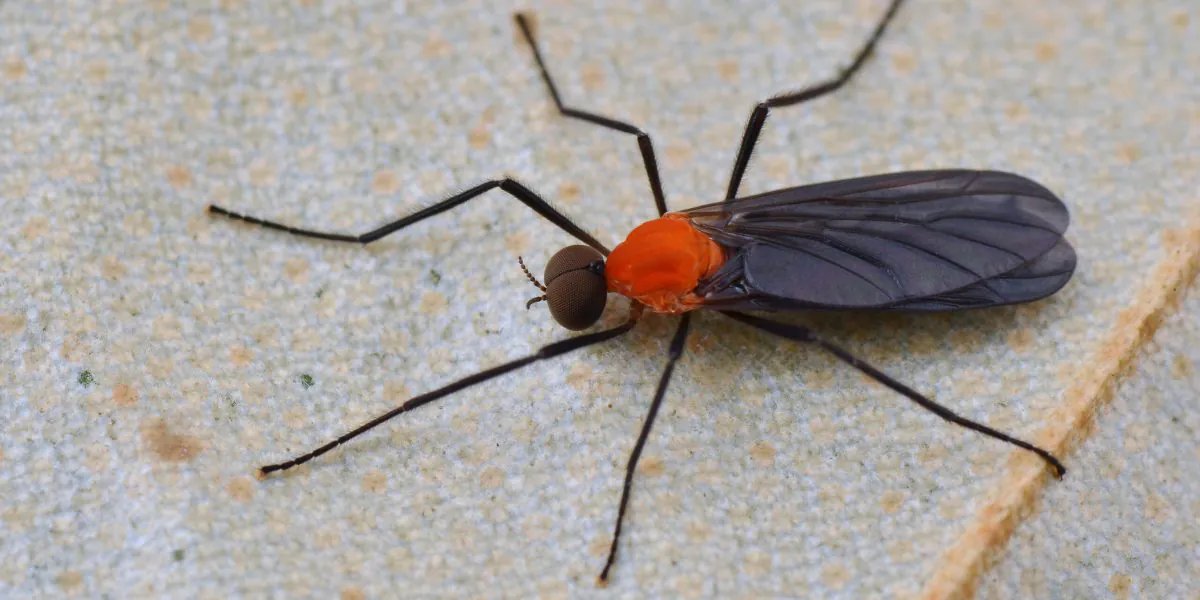
If you live in Texas, you may have noticed swarms of small black-and-orange flies appearing around your home, yard, or vehicle at certain times of the year. These insects are commonly known as lovebugs, and while they can be a major nuisance, they are generally more annoying than dangerous.
Lovebugs are especially noticeable because they often appear in large numbers and are frequently seen flying in pairs. They can cover windshields, gather around outdoor lights, and show up around lawns and landscaping. Their seasonal appearance can leave homeowners wondering where they came from, why there are so many, and whether they are something they need to worry about.
So, what are lovebugs, and why do they seem to suddenly take over during certain parts of the year? Here is what Texas homeowners should know about lovebugs, including when they are most active, whether they bite, and what you can do to reduce the nuisance around your property.
What Are Lovebugs?
Lovebugs are small flies scientifically known as Plecia nearctica. They are also sometimes called march flies. Adult lovebugs are typically black with a reddish-orange area behind the head, making them relatively easy to recognize. 
One of the most noticeable characteristics of lovebugs is their mating behavior. Adult lovebugs are often seen attached to one another while flying, resting on plants, or sitting on vehicles. This behavior is where the common name “lovebug” comes from.
Although they can appear in enormous numbers, lovebugs are not typically considered a dangerous pest. They do not have stingers, and they are not known for biting people.
Lovebugs are attracted to areas where adults can find food and suitable conditions for reproduction. Their larvae develop in moist, decaying organic material, which can include decomposing vegetation and other organic matter. Once adults emerge, they become much more visible as they fly around during their relatively short adult life.
Why Are There So Many Love Bugs in Texas?
Love bugs Texas residents encounter are part of a species that has become well established throughout the southeastern United States and Gulf Coast region. Texas provides many of the environmental conditions that allow lovebugs to thrive.
Warm temperatures, humidity, and areas containing decaying organic material can create suitable conditions for lovebug development. Texas lawns, landscapes, drainage areas, and other outdoor environments can provide places where their larvae can develop.
Another reason lovebugs seem particularly overwhelming is their tendency to emerge in large numbers. Instead of seeing a few insects spread out throughout the year, homeowners may suddenly notice large concentrations during certain periods.
This is one reason lovebugs can seem like they appeared overnight.
Their numbers can also vary from year to year. Weather conditions, temperature, rainfall, and the availability of suitable breeding areas can all affect local populations. As a result, one year may bring a much more noticeable lovebug population than another.
When Is Lovebug Season?
Lovebug season generally occurs during the warmer months, with populations commonly becoming noticeable during spring and again in late summer or early fall.
The exact timing can vary depending on weather conditions and location. In Texas, warm temperatures can create favorable conditions for lovebugs, so homeowners may see them during different parts of the year.
During lovebug season, adults can become especially noticeable around roads, open fields, lawns, gardens, and homes. They are also commonly seen around vehicles because they are attracted to warm surfaces and can become difficult to avoid when driving.
If you notice a sudden increase in lovebugs around your property, it does not necessarily mean you have a pest infestation inside your home. In many cases, you are simply seeing a seasonal increase in adult activity.
Do Love Bugs Bite?
One of the most common questions homeowners ask is: do love bugs bite?
No. Lovebugs do not bite people.
They do not have the type of mouthparts associated with biting or blood-feeding insects such as mosquitoes. They are primarily a nuisance because of their large numbers and their tendency to land on people, vehicles, buildings, and outdoor surfaces.
Lovebugs can be frustrating, but they are generally not considered a direct threat to people or pets.
That said, large numbers can still create practical problems. If lovebugs are constantly gathering around patios, doors, outdoor living spaces, or vehicles, they can make spending time outside less enjoyable. Dead lovebugs can also accumulate on surfaces and may become unpleasant to clean.
Are Lovebugs Harmful to Your Lawn?
Seeing lovebugs around your lawn does not necessarily mean they are damaging your grass.
Adult lovebugs are not known for feeding on turfgrass in a way that causes the type of lawn damage associated with common turf pests. Their larvae develop in decaying organic matter rather than feeding on healthy grass blades.
This is an important distinction for homeowners. If you notice large numbers of lovebugs along with brown patches, thinning grass, or other lawn problems, the lovebugs may not be responsible for the turf damage.
Other issues may be involved, including improper watering, irrigation problems, fungal diseases, chinch bugs, weeds, soil conditions, or other lawn pests.
If your grass is struggling, identifying the actual cause is much more important than simply treating the insects you happen to see flying around the property.
Why Do Lovebugs Gather Around Cars?
If you have ever driven through Texas during a heavy lovebug population, you probably understand why drivers pay so much attention to these insects.
Lovebugs frequently gather around vehicles, particularly on highways and open roads. Large numbers can collide with the front of a vehicle, windshield, grille, hood, and mirrors.
This can create a significant mess, especially during periods of heavy activity.
Lovebug remains can also become difficult to remove if they are left on a vehicle for an extended period. Their bodies contain acidic compounds that can contribute to damage to a vehicle’s finish if the remains are allowed to sit on the surface in hot conditions.
During heavy lovebug activity, regularly washing your vehicle and removing insect remains can help minimize the problem. Using appropriate automotive cleaning products and avoiding harsh scrubbing can also help protect the vehicle’s finish.

Why Are Lovebugs Attracted to My Yard?
Lovebugs can be found in a variety of outdoor environments, particularly where conditions are favorable for their development.
Their immature stages develop in moist organic material. Areas containing decomposing leaves, grass clippings, vegetation, or other organic matter can potentially provide suitable habitat.
That does not mean a homeowner with lovebugs has an unhealthy lawn or a dirty property. Organic material naturally accumulates in outdoor environments, and lovebugs are a normal part of the ecosystem.
Keeping your property maintained can, however, help reduce some of the conditions that make outdoor areas more attractive to a variety of nuisance insects.
Regularly removing excessive organic debris, maintaining drainage, and keeping landscaping properly maintained are all useful components of general pest and lawn care.
How Can You Keep Lovebugs Away?
Because lovebugs are seasonal insects that can appear in large numbers, completely eliminating them from your property can be difficult.
Instead of focusing solely on eliminating every lovebug, homeowners can take steps to make their property less attractive to nuisance insects in general.
Start by keeping outdoor areas clean and free of excessive organic debris. Remove piles of leaves and grass clippings when appropriate, and avoid allowing organic material to accumulate in areas with poor drainage.
You can also make your home less attractive to flying insects by keeping doors and windows properly screened and limiting unnecessary outdoor lighting near entrances at night.
If lovebugs are gathering around patios, entryways, or other areas where your family spends time, a professional pest-control company can evaluate the property and determine whether additional pest-management measures are appropriate.
It is important to remember that professional pest control should focus on the specific pest problem rather than simply treating every insect that happens to be visible.
Are Lovebugs a Pest Problem?
For most homeowners, lovebugs are primarily a seasonal nuisance rather than a serious pest threat.
They do not bite, do not sting, and generally do not cause significant damage to lawns or landscaping. Their biggest problems are their sheer numbers and the mess they can create.
However, large populations can be frustrating when they gather around outdoor living areas or repeatedly enter homes through open doors and windows.
If you are seeing lovebugs along with other insects around your property, it may also be worth having the area inspected. Different pests can appear at the same time, and identifying the specific insect is an important first step in determining whether treatment is necessary.
When Should You Call a Pest Control Professional?
If lovebugs are simply passing through your property during their normal seasonal activity, professional treatment may not be necessary.
However, you may want to contact a pest professional if you are dealing with unusually high insect activity, multiple types of pests, insects regularly entering your home, or another pest problem that is affecting your ability to enjoy your property.
A professional inspection can help determine what is actually attracting insects to the area and whether there are underlying conditions that should be addressed.
At GreenGate Turf & Pest, our goal is to help Texas homeowners understand what is happening on their properties instead of simply treating symptoms. Identifying the pest and understanding its behavior can help determine the most appropriate approach.
Lovebugs Are Annoying, But Usually Harmless
Lovebugs are one of those Texas pests that can seem impossible to ignore when they arrive in large numbers. During lovebug season, you may see them covering vehicles, gathering around your home, or flying throughout your yard.
Fortunately, lovebugs are generally more of a nuisance than a danger. They do not bite people, they do not sting, and they are not typically responsible for lawn damage.
Understanding what are lovebugs and why they appear can make it easier to put their seasonal activity into perspective. While you may not be able to prevent every lovebug from passing through your property, good lawn and landscape maintenance and sensible pest-management practices can help keep your outdoor spaces more comfortable.
Keep Your Texas Yard Comfortable With GreenGate
Seasonal insects are a normal part of life in Texas, but that does not mean you have to put up with every pest around your home. If you are dealing with lovebugs or other nuisance insects around your property, GreenGate Turf & Pest can help identify the pest and determine what steps may be appropriate.
Our team provides lawn and pest services designed for the conditions Texas homeowners face, from seasonal insect activity to lawn health concerns. Contact GreenGate Turf & Pest to learn more about our pest-control and lawn-care services and find out how we can help keep your property looking and feeling its best.åΩ