
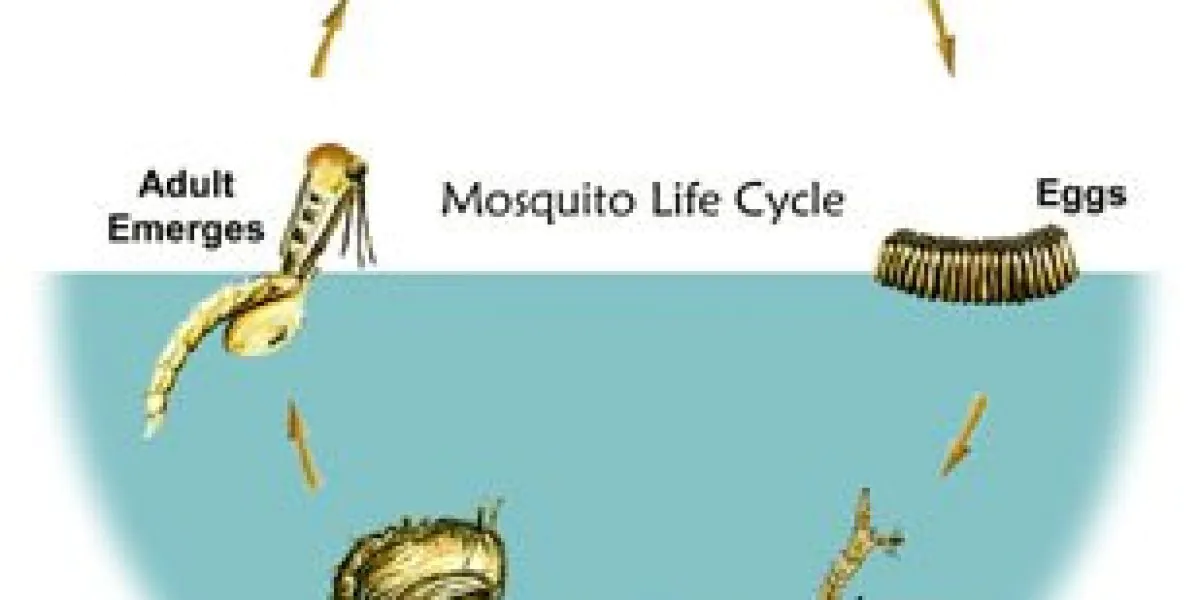
If you’ve ever wondered why mosquitoes seem to explode overnight after a Houston rainstorm, the answer lies in the mosquito life cycle. Understanding how mosquitoes grow, reproduce, and survive is the first step toward effective prevention.
At GreenGate Turf & Pest, we believe that informed homeowners make better decisions about protecting their yards. Let’s walk through each stage of the mosquito breeding cycle and, more importantly, how you can stop it before it turns into a backyard infestation.
Understanding the Mosquito Life Cycle

The mosquito life cycle has four distinct stages: egg, larva, pupa, and adult. What surprises many homeowners is how quickly this process happens. Under ideal conditions—like warm, humid Houston weather—mosquitoes can go from egg to biting adult in as little as 7 to 10 days.
Even more concerning? A single female mosquito can lay hundreds of eggs at a time. That means one overlooked source of standing water can quickly become a serious problem.
If you’re asking how long do mosquitoes live, the answer depends on the species and conditions. Male mosquitoes typically live about a week, while females can live several weeks—sometimes even longer in protected environments. That’s plenty of time to reproduce multiple times.
Let’s break down each stage so you can see exactly where intervention works best.
Stage 1: Eggs – Where the Problem Begins
Everything starts with water.
One of the most common questions we hear is: where do mosquitoes lay eggs? The answer is simple—almost anywhere there’s standing water.
Common breeding sites include:
- Birdbaths
- Clogged gutters
- Flower pot saucers
- Kiddie pools
- Low spots in lawns
- Drainage ditches
- Outdoor toys that collect rainwater
Some species lay eggs directly on the water’s surface in clusters called rafts. Others lay eggs on damp soil that later floods. In Houston’s climate, heavy rains and high humidity create ideal breeding conditions almost year-round.
Mosquito eggs can hatch in as little as 24–48 hours. That’s why eliminating standing water quickly is critical.
Stage 2: Larvae – The Wrigglers in Standing Water
Once the eggs hatch, mosquito larvae emerge. You may have seen them before—they look like tiny wriggling worms just below the surface of standing water.
Larvae live entirely in water and feed on organic matter like algae and microorganisms. They come to the surface to breathe through a small tube, which makes them vulnerable to certain treatments.
This is one of the most important stages for control. Larvicides for mosquito control are specifically designed to target mosquitoes before they become biting adults. These treatments disrupt development and prevent larvae from maturing.
Professional-grade larvicides are especially effective in:
- Drainage systems
- Retention ponds
- Areas with recurring standing water
- Shaded, damp zones where water collects
Because larvae cannot survive without water, addressing standing water sources is one of the most powerful ways to break the mosquito breeding cycle.
Stage 3: Pupae – The Transition Stage
After several days as larvae, mosquitoes enter the pupal stage. Pupae are still aquatic but do not feed. Instead, they undergo transformation into adult mosquitoes.
This stage is short—typically lasting only a few days. Because pupae do not feed, they’re harder to control than larvae. That’s why early intervention is key.
The faster you interrupt the life cycle in earlier stages, the fewer biting adults you’ll see later.
Stage 4: Adult Mosquitoes – The Biting Begins
Once the adult mosquito emerges from the water, it rests briefly on the surface to dry its wings before flying away.
Only female mosquitoes bite. They require blood meals to produce eggs, which restarts the mosquito breeding cycle. Males feed on nectar and plant juices.
Homeowners often ask, when are mosquitoes most active? In Houston, mosquito activity peaks:
- Early morning
- Dusk and evening
- After rainfall
- During warm, humid weather
Some species may also bite during the day, especially in shaded areas.
Adult mosquitoes can detect body heat, carbon dioxide, and even certain scents from surprisingly far away. That’s why patios, pools, and outdoor gatherings often attract them.
If left unchecked, a small mosquito problem can quickly become a full-blown infestation.

How to Interrupt the Mosquito Life Cycle in Your Yard
The good news? Every stage of the mosquito life cycle offers an opportunity for prevention.
Here’s how to prevent mosquitoes in yard spaces effectively:
1. Eliminate Standing Water
This is the single most important step. Empty or refresh:
- Birdbaths every 2–3 days
- Pet water bowls
- Flower pot trays
- Tarps and covers
- Children’s outdoor toys
Even a bottle cap full of water can support mosquito development.
2. Improve Drainage
Address low spots in your lawn where water collects. Clean gutters regularly and ensure downspouts direct water away from your foundation.
3. Use Targeted Treatments
Professional applications may include:
- Larvicides for mosquito control in water-holding areas
- Barrier sprays around shrubs and shaded areas
- Treatments designed to reduce resting adult populations
If you’re wondering what effectively kills mosquitoes, the answer depends on the stage. Larvicides target immature mosquitoes in water, while professional-grade adulticides reduce active populations around your yard.
DIY sprays may provide temporary relief, but they often don’t address breeding sites, which allows the cycle to continue.
4. Maintain Landscaping
Mosquitoes rest in cool, shaded vegetation during the day. Keeping grass trimmed and shrubs maintained reduces resting areas and improves treatment effectiveness.
When to Call a Professional Mosquito Control Company
In a climate like ours, mosquito prevention isn’t just about comfort—it’s about consistency.
If you’re noticing:
- Persistent mosquito activity
- Mosquitoes returning quickly after rain
- Difficulty identifying breeding sites
- Swarms during outdoor gatherings
…it may be time for professional Houston mosquito control.

With monthly refreshes of the pots and consistent service, this dual-layer system disrupts mosquito populations at multiple points in their life cycle, so you can actually enjoy your outdoor space.
Take Back Your Yard
Mosquitoes may be small, but their life cycle is powerful—and fast. From egg to biting adult in just days, they thrive in standing water and warm weather.
The key to lasting relief isn’t just reacting to bites. It’s interrupting the mosquito breeding cycle before it gets out of control.
If you’re ready to enjoy your yard without constantly swatting, GreenGate Turf & Pest is here to help. Our Houston mosquito control services are designed to target mosquitoes at every stage—so you can spend more time outside and less time worrying about what’s buzzing around you.
Contact GreenGate Turf & Pest today to schedule your mosquito treatment program and take the first step toward a more comfortable, mosquito-free yard.