
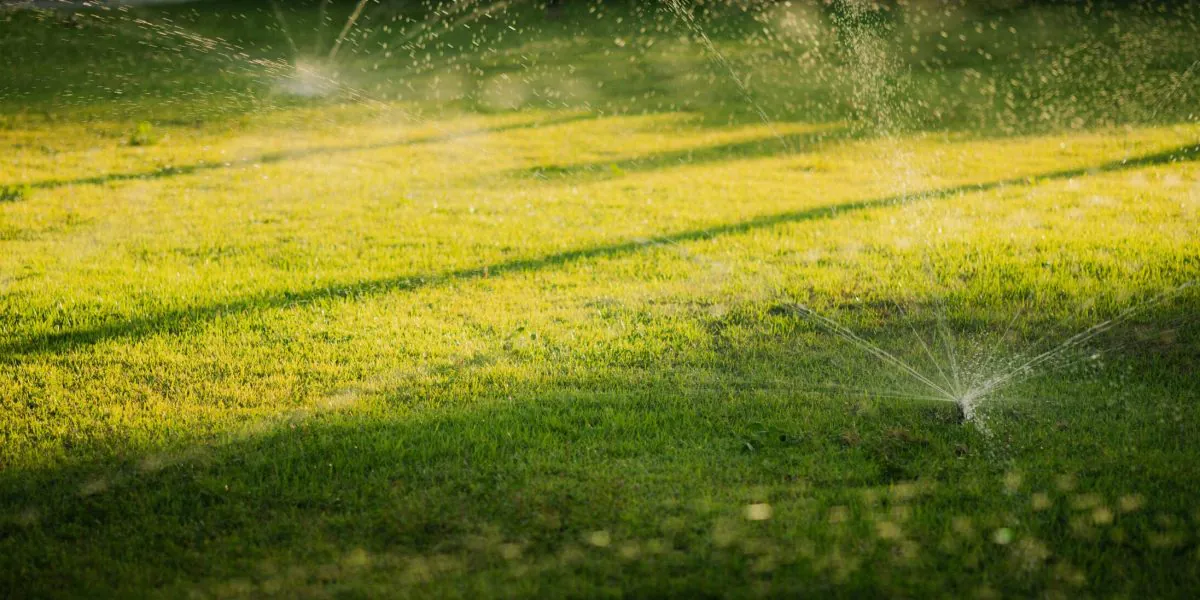
A lush, green lawn is the pride of any homeowner. But achieving that perfect lawn requires more than just regular mowing. Watering plays a crucial role in lawn health.
Knowing when is the best time to water the lawn can make all the difference. Watering at the wrong time can lead to wasted water and unhealthy grass.
The best time to water your lawn is early in the morning. This timing helps reduce evaporation and allows the grass to absorb moisture efficiently.
Understanding the science behind lawn watering can help you create an effective watering schedule. This guide will provide you with essential lawn watering tips and techniques.
Whether you’re in Texas or elsewhere, these insights will help you achieve the best lawn care results.
Why Timing Matters: The Science Behind Lawn Watering
Timing your lawn watering is crucial for several reasons. Watering at the right time helps your grass maximize water absorption. This process is essential for maintaining a healthy, resilient lawn.
When water is applied during the heat of the day, much of it evaporates quickly. This leads to inefficient water usage and increased utility costs. Early morning watering reduces evaporation, ensuring more moisture reaches the roots.
Nighttime watering might seem convenient but has drawbacks. Moist lawns overnight can lead to fungal diseases and other turf issues. Therefore, avoiding evening watering ensures your grass stays healthy and disease-free.
Consider these key reasons to water in the early morning:
- Maximizes root absorption
- Reduces evaporation losses
- Minimizes disease risk
Choose the best time to water, and your lawn will reward you with vibrant growth and lush beauty.
When is the Best Time to Water the Lawn?
Understanding the best time to water your lawn is a game-changer. Proper timing ensures healthier, more vibrant grass with efficient water use. Early morning is ideal for watering, typically between 4 a.m. and 10 a.m.
Watering in the morning allows your lawn to absorb more water. The grass blades dry off by mid-morning, reducing the risk of fungal diseases. This morning routine leads to stronger, disease-resistant grass.
Many ask, “Why not water in the afternoon?” Midday watering results in high evaporation, wasting water and money. It’s not efficient for maintaining a lush lawn.
Evening watering keeps the lawn wet overnight, which often causes disease. Wet, dark conditions promote fungus and other issues, making night watering less desirable.
Here’s why early morning watering is best:
- Reduces evaporation, saving water
- Prevents fungal diseases
- Optimizes water absorption
Setting a regular morning schedule is vital for lawn success. Your grass will thrive in the long run with this routine, showcasing green, lush results.
How Often Should I Water My Lawn?
Finding the right frequency for lawn watering is essential for healthy growth. Overwatering can lead to shallow roots and disease, while underwatering causes wilting and poor grass color.
Typically, lawns need about 1 to 1.5 inches of water weekly, including rainfall. This amount varies based on weather, soil, and grass type. Adjust your schedule based on these factors for optimal results.
Deep watering less frequently encourages deep root growth, making your lawn more drought-resistant. Use a screwdriver or probe to check soil moisture, ensuring water reaches the roots.
Here’s a simplified watering guide:
- Check soil moisture regularly
- Adjust for local climate and seasons
- Deep, infrequent watering is best
By understanding your lawn’s unique needs, you can promote a healthy, thriving lawn. Observing changes and adapting helps you maintain optimum conditions, ensuring your yard remains lush and green.
Lawn Watering Tips for Every Season
Lawn care evolves with the seasons to meet changing needs. Watering techniques must be adjusted accordingly to support healthy growth year-round. In spring, the focus should be on preparing the lawn for the months ahead, typically requiring moderate watering.
Summer brings hotter temperatures and increased evaporation. This requires more frequent watering. Aim for early morning sessions to minimize evaporation and maximize absorption. Autumn represents a transition period where less water is needed as temperatures cool and growth slows.
Winter usually reduces or eliminates the need for watering in many regions. This is due to dormancy and increased moisture from rain or snow. Keep an eye on weather patterns to adjust as necessary.
Consider these seasonal tips:
- Spring: Moderate watering
- Summer: Water in early morning
- Fall: Gradually decrease watering
- Winter: Minimal to no watering
By tailoring your watering strategy to each season, you ensure a healthy lawn with optimal resource usage.
Best Time to Water Lawn in Texas and Other Hot Climates
Hot climates present unique challenges to lawn care. Texas, for instance, demands specific watering routines due to high temperatures and intense sun. Watering early in the morning is crucial.

In Texas, frequent, shallow watering is less effective. Instead, opt for deep, infrequent watering to promote strong root systems. This makes lawns more drought-resistant.
To manage the heat, pay attention to:
- Water early in the morning
- Deep watering once or twice weekly
- Monitor for signs of drought stress
By adopting these practices, you can keep your lawn lush and healthy even in the harshest heat.
Understanding Your Lawn: Grass Types, Soil, and Sun Exposure
Each lawn has unique needs based on grass types, soil conditions, and sun exposure. Recognizing these differences is key to crafting an efficient watering schedule.
Grass species vary widely in their water requirements. Warm-season grasses, like Bermuda or Zoysia, may require less frequent watering than cool-season grasses like Kentucky Bluegrass.
Soil type plays a significant role in water retention. Sandy soils drain quickly, needing more frequent watering, whereas clay soils hold water longer, demanding less frequent irrigation.
Sun exposure affects how much water your lawn needs. Lawns in full sun typically require more water than those shaded by trees or buildings.
To better understand your lawn, consider:
- Identifying your grass type
- Assessing your soil’s drainage properties
- Evaluating sun exposure throughout the day
By understanding these factors, you’ll be better equipped to customize your watering practices for optimal lawn health.
Creating the Right Watering Schedule
Crafting a watering schedule is essential to ensure lawn vitality. The schedule should consider weather conditions, grass type, and soil makeup.
Adaptability is crucial. Your lawn’s water needs can change with the seasons and weather patterns. A flexible schedule allows for adjustments as conditions vary.
Weekly watering allocations are typically around 1 to 1.5 inches, including rainfall. Use tools like a rain gauge to measure precipitation and adjust accordingly.
Incorporate these steps when creating your schedule:
- Monitor weather forecasts regularly
- Use tools to gauge soil moisture
- Adjust based on signs of lawn stress
By considering these factors, you’ll maintain a thriving lawn. A well-planned schedule promotes deep root growth and resilience against drought.
Tools and Technology: Sprinkler Service and Smart Irrigation
Modern tools and technology can make lawn care easier and more efficient. Sprinkler systems are a popular choice for automated watering. They ensure even coverage across the entire lawn.
Smart irrigation systems offer advanced features. These systems can adjust watering times and amounts based on weather conditions and soil moisture levels. This can reduce water usage and prevent overwatering.
Key benefits of smart irrigation include:
- Real-time weather data integration
- Automated adjustments to watering schedules
- Enhanced water conservation
Investing in these tools can save time and resources. Efficient systems ensure the lawn gets proper care, even with changing environmental conditions.
Signs of Overwatering and Underwatering
It’s crucial to recognize signs of overwatering and underwatering. An overwatered lawn may appear yellowish or develop fungal growth. It often feels squishy underfoot.
Conversely, underwatered lawns show distinct symptoms. They can become dry, with dull-colored grass blades. Footprints may linger on under-hydrated grass, indicating inadequate moisture.
Common signs to watch for:
- Yellowing grass (overwatering)
- Dry, brittle grass (underwatering)
- Visible footprints (underwatering)
- Thatch and fungus growth (overwatering)
Identifying these signs early can help address watering issues promptly. This ensures a healthier and more resilient lawn.
Sustainable Lawn Care and Water Conservation
Sustainable lawn care focuses on preserving resources and maintaining lawn health. Water conservation is a key component of this approach. Efficient water use not only benefits the environment but also reduces costs.
Adopting sustainable practices requires some adjustments. Consider using drought-tolerant grass varieties to withstand dry spells. Collecting rainwater in barrels can provide a supplemental water source for your lawn.
Simple ways to conserve water:
- Use a rain sensor with your sprinkler system
- Implement drip irrigation where feasible
- Practice deep and infrequent watering
By making these changes, you contribute to a healthier ecosystem. Sustainable lawn care practices ensure lawns remain lush while utilizing resources wisely. Embrace these methods for greener lawns and a greener planet.
Achieving the Best Lawn Care Results
Proper lawn care hinges on understanding timing, watering needs, and using the right tools. Early morning watering optimizes water absorption while minimizing evaporation. Adjusting watering schedules based on seasonal changes enhances lawn vitality and resource efficiency.
Embracing smart irrigation systems and sustainable practices can elevate lawn health. These approaches not only conserve water but also promote robust growth. By focusing on these strategies, you ensure a vibrant lawn that thrives year-round.
Keep Your Lawn Healthy with Expert Help
A healthy, beautiful lawn starts with proper watering, but irrigation is just one piece of the puzzle. If your grass still isn’t looking its best despite following a good watering schedule, GreenGate Turf & Pest can help. Our lawn care specialists can identify underlying issues like nutrient deficiencies, soil compaction, insects, or disease and recommend the right treatment plan to get your lawn back on track. Contact GreenGate Turf & Pest today to learn more about our professional lawn care and irrigation services and let us help you achieve a greener, healthier lawn year-round.