
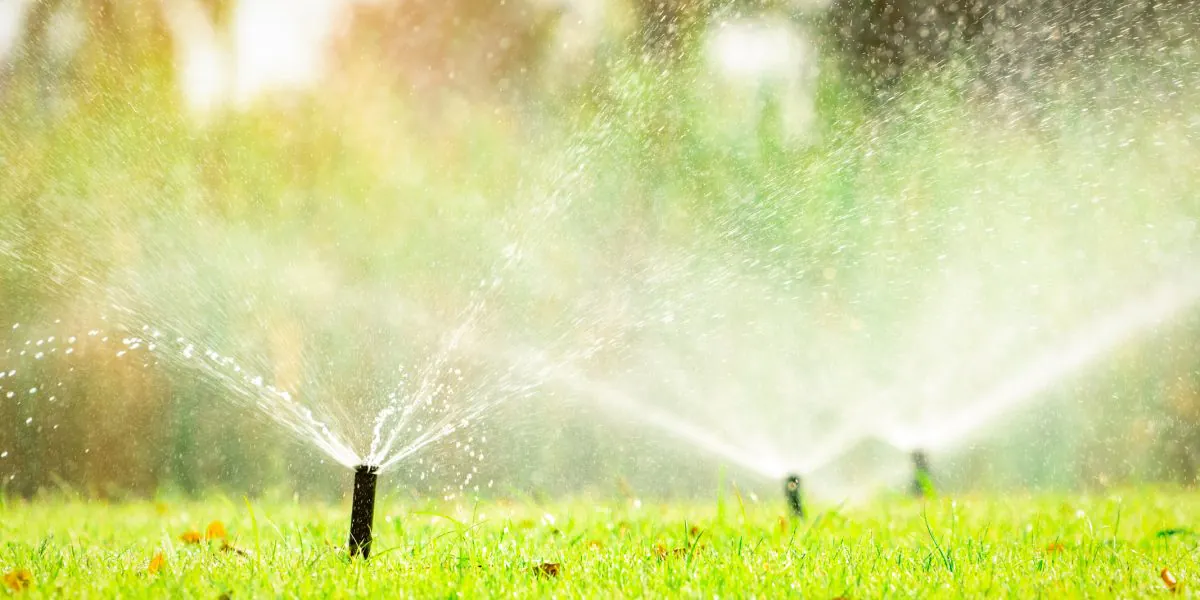
One of the most common questions homeowners ask is, “how often should I water my lawn?” While watering may seem simple, giving your grass the right amount of water at the right time can make the difference between a thriving lawn and one that struggles with drought stress, disease, or shallow root growth.
Houston’s climate presents unique challenges for lawn care. Long periods of heat, high humidity, occasional drought, and unpredictable rainfall can all impact how much water your lawn needs. Understanding proper watering practices can help you maintain a lush, healthy lawn while avoiding wasted water and higher utility bills.
How Much Water Does a Lawn Need?
Most established lawns need approximately 1 to 1.5 inches of water per week, including rainfall. This amount allows moisture to penetrate deep into the soil, encouraging strong root development and improving your lawn’s ability to withstand heat and dry conditions.
Rather than watering a little every day, it’s generally better to water deeply and less frequently. Deep watering encourages roots to grow downward in search of moisture, creating a healthier and more drought-tolerant lawn.
For most Houston-area lawns, watering one to three times per week is typically sufficient, depending on weather conditions, soil type, grass variety, and irrigation system performance.
Factors That Affect Watering Frequency
There is no universal answer to the question, “how often should I water my lawn?” Several factors influence your lawn’s watering requirements.
Grass Type
Different turfgrass varieties have different water needs.
Common Houston grasses include:
- St. Augustinegrass
- Bermudagrass
- Zoysiagrass
- Centipedegrass
St. Augustinegrass generally requires more water than Bermudagrass, while Zoysiagrass often demonstrates moderate drought tolerance.
Soil Type
Houston properties typically contain clay, sandy, or mixed soils.
Clay soils retain water longer but absorb it more slowly. Sandy soils drain quickly and may require more frequent watering. Understanding your soil composition helps determine the most effective watering schedule.
Weather Conditions
Hot temperatures, direct sunlight, wind, and low rainfall increase water demand. During periods of extreme summer heat, lawns may require additional irrigation to prevent stress.
Conversely, rainy periods may allow you to skip scheduled watering altogether.
Lawn Age
Newly installed sod requires more frequent watering than an established lawn. During the establishment phase, maintaining consistent soil moisture is critical for root development.
Signs Your Lawn Needs Water
Many homeowners water according to a fixed schedule without paying attention to their lawn’s actu
Common signs include:
- Grass blades folding or curling
- A bluish-gray color developing in the turf
- Footprints remaining visible after walking across the lawn
- Dry, brittle grass blades
- Slowed growth
If you notice these symptoms, your lawn may need supplemental watering.
Signs You’re Watering Too Much
Overwatering can be just as harmful as underwatering. Excess moisture creates favorable conditions for fungal diseases, insect activity, and shallow root systems.
Watch for:
- Mushy or soggy soil
- Standing water
- Increased weed growth
- Fungal diseases
- Yellowing grass despite frequent watering
If these issues occur, it may be time to adjust your irrigation schedule.
The Best Time of Day to Water
Early morning is generally the ideal time to water your lawn.
Watering between 4 a.m. and 8 a.m. allows moisture to soak into the soil before temperatures rise and evaporation increases. It also gives grass blades time to dry throughout the day, reducing disease pressure.
Avoid watering during the hottest part of the afternoon, as much of the water may evaporate before reaching the root zone.
Evening watering is less desirable because moisture can remain on grass blades overnight, creating favorable conditions for fungal growth.
How to Measure Water Output
Many homeowners don’t know how much water their irrigation system actually delivers.
A simple method involves placing several shallow containers, such as tuna cans, throughout the lawn while the sprinkler system runs. Measure the water collected to determine how long your system needs to operate to provide approximately 1 inch of water.
This test can also reveal uneven coverage, which may indicate the need for a sprinkler inspection.
Why Your Irrigation System Matters
Even the best watering schedule cannot compensate for an inefficient irrigation system.
Broken sprinkler heads, clogged nozzles, poor pressure, and misaligned spray patterns often lead to uneven watering. Some areas may receive too much water while others receive too little.
Routine irrigation services can help identify these problems before they impact lawn health.
Professional technicians can evaluate system performance and make adjustments that improve efficiency while reducing water waste.
Benefits of Professional Sprinkler Inspections
Many irrigation issues develop gradually and may not be obvious to homeowners.
A professional sprinkler inspection can identify:
- Leaks
- Damaged sprinkler heads
- Coverage gaps
- Overspray onto sidewalks and driveways
- Controller programming issues
- Pressure problems
Regular inspections help ensure your system is operating efficiently and delivering water where it’s needed most.
Upgrading to High-Efficiency Sprinkler Heads
Modern irrigation technology has improved significantly in recent years.
Many homeowners benefit from upgrading to high-efficiency sprinkler heads, which distribute water more evenly and reduce runoff. These advanced heads often apply water at a slower rate, allowing it to soak into the soil rather than pooling on the surface.
High-efficiency sprinkler heads can improve coverage, conserve water, and support healthier turf growth.

Understanding Drip Irrigation
While traditional sprinklers work well for turfgrass, landscape beds often benefit from drip line irrigation.
Drip line irrigation delivers water directly to plant root zones through a network of tubing and emitters. This targeted approach minimizes evaporation and reduces water waste.
Benefits include:
- Improved water efficiency
- Reduced weed growth
- Healthier landscape plants
- Lower water bills
- Less runoff
For homeowners seeking to maximize irrigation efficiency, combining sprinkler systems for turf with drip line irrigation for landscape beds often provides excellent results.
When to Schedule Sprinkler Service
Like any mechanical system, irrigation equipment requires ongoing maintenance.
Routine sprinkler service can help address common issues such as:
- Broken heads
- Clogged nozzles
- Valve malfunctions
- Wiring problems
- Controller issues
Scheduling regular maintenance helps keep your irrigation system performing at its best while preventing costly repairs.
Lawn Sprinkler Service Helps Protect Your Investment
Your lawn is a significant investment that contributes to your property’s curb appeal and value.
Professional lawn sprinkler service ensures your irrigation system supports healthy turf growth while minimizing water waste. Whether you need seasonal adjustments, repairs, inspections, or system upgrades, proper maintenance helps your lawn receive the water it needs throughout the year.
Sprinkler Repair in Houston
Houston’s weather conditions can place significant strain on irrigation systems. Tree roots, shifting soil, lawn equipment, and normal wear and tear can all cause damage over time.
When problems occur, prompt sprinkler repair in Houston can prevent water waste and protect your lawn from drought stress. Addressing repairs quickly often helps homeowners avoid larger issues and higher water bills.
If you notice dry spots, unusually wet areas, low pressure, or broken heads, it’s wise to schedule an evaluation as soon as possible.
Finding the Right Watering Balance
The answer to “how often should I water my lawn” depends on your property’s unique conditions. Most Houston lawns perform best when they receive about 1 to 1.5 inches of water per week through a combination of rainfall and irrigation.
By watering deeply, monitoring lawn conditions, and maintaining your irrigation system, you can encourage deeper roots, improve drought tolerance, and enjoy a greener lawn throughout the year.
Partner With GreenGate Turf & Pest for Expert Irrigation Solutions
A healthy lawn starts with proper watering. If you’re dealing with dry spots, irrigation problems, inefficient sprinklers, or simply aren’t sure whether your system is delivering the right amount of water, GreenGate Turf & Pest can help. Our experienced team provides professional irrigation services, sprinkler inspection, sprinkler service, lawn sprinkler service, drip line irrigation solutions, high-efficiency sprinkler head upgrades, and sprinkler repair in Houston. Contact GreenGate Turf & Pest today to schedule an evaluation and keep your lawn looking its best year-round.