What Are Aphids? How to Identify, Treat, and Prevent These Common Garden Pests
by:
Alison Dieringer
If you’ve ever noticed tiny insects clustered on the leaves or stems of your plants, or found sticky residue covering your landscape, you may be wondering, what are aphids? These tiny pests are among the most common insects found in home gardens and landscapes throughout Houston, Texas. While they may be small, they can quickly multiply into large colonies capable of weakening plants, reducing blooms, and creating conditions for other plant diseases.
Fortunately, aphids can often be managed when caught early. Knowing how to identify them, recognize the signs of an infestation, and choose the right aphid treatment can help keep your landscape healthy year-round.
In this guide, we’ll explain everything Houston homeowners need to know about aphids, including what they are, how they damage plants, how to kill aphids, and when it’s time to call a professional.
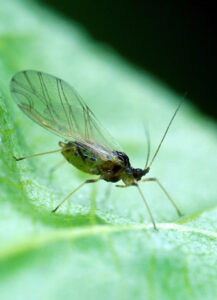
Aphids are tiny, soft-bodied insects that feed by piercing plants and sucking out their sap. A single aphid insect is usually less than 1/8 inch long and can be green, black, yellow, brown, red, white, or even pink depending on the species and host plant.
More than 4,000 species of aphids exist worldwide, with hundreds commonly found throughout North America. In Texas, they frequently infest ornamental plants, flowering shrubs, vegetable gardens, fruit trees, and landscape trees.
One reason aphids become such a problem is their incredible reproductive rate. During the growing season, many female aphids reproduce without mating, allowing populations to explode in just a matter of days.
What Does an Aphid Insect Look Like?
Although colors vary, most aphids share several characteristics:
Pear-shaped body
Soft, delicate exterior
Six legs
Long antennae
Two small tube-like structures (called cornicles) extending from the back of the abdomen
Some aphids develop wings, particularly when colonies become overcrowded or food sources begin to decline. These winged adults can fly to nearby plants and begin entirely new infestations.
Because of their small size, many homeowners don’t notice an aphid insect until plant damage becomes obvious.
Where Are Aphids Commonly Found?
Aphids prefer tender new growth because it contains more nutrients and is easier to feed on.
They typically gather underneath leaves, around flower buds, or along young stems where they remain somewhat hidden from predators.
Signs of an Aphid Infestation
Since aphids feed on plant sap, they often cause damage long before homeowners notice the insects themselves.
Common signs include:
Curled or Distorted Leaves
As aphids feed, new growth may curl, twist, or become misshapen.
Yellowing Leaves
Plants losing nutrients to aphids often develop yellow leaves or begin dropping foliage prematurely.
Stunted Growth
Heavy infestations can slow overall plant growth and reduce flowering.
Sticky Residue
One of the easiest signs to identify is a sticky substance covering leaves, branches, patio furniture, or vehicles parked beneath infested trees.
This sticky material is called honeydew, a sugary waste product produced as aphids feed.
Sooty Mold
Honeydew creates the perfect environment for sooty mold, a black fungus that grows on the sticky surface left behind by aphids.
Although sooty mold does not directly infect the plant itself, it blocks sunlight from reaching the leaves, reducing photosynthesis and making plants appear unhealthy. In severe cases, extensive sooty mold can contribute to declining plant health by limiting the plant’s ability to produce energy.
If you notice black, soot-like growth coating your landscape plants, it’s often a sign that aphids—or another sap-feeding insect—are present.
Why Are Aphids a Problem?
A few aphids usually aren’t enough to kill an established plant. However, large infestations can create significant stress.
Aphids can:
Remove essential nutrients from plants
Distort new growth
Reduce flower production
Cause leaves to curl
Encourage the growth of sooty mold
Attract ants that feed on honeydew
Spread certain plant viruses between susceptible plants
Over time, repeated infestations may leave plants more vulnerable to drought, disease, and other environmental stresses.
Why Are There Ants Around Aphids?
Homeowners are often surprised to see ants crawling around aphid colonies.
This isn’t a coincidence.
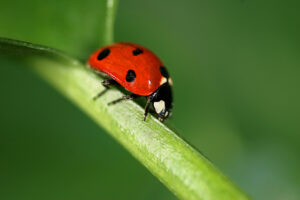
Ants feed on the sweet honeydew produced by aphids and often protect them from natural predators like lady beetles and lacewings. In some cases, ants even move aphids to new plants to maintain their food source.
If you see both ants and sticky leaves, it’s worth checking closely for aphids.
How to Kill Aphids
Many homeowners ask, “How to kill aphids?”
The answer depends on the size of the infestation and the type of plants affected.
Several effective management options include:
Spray Them Off
A strong stream of water from a garden hose can remove many aphids from small plants. This method works best for light infestations and may need to be repeated.
Prune Heavily Infested Growth
Removing severely infested stems can dramatically reduce aphid populations before they spread.
Encourage Beneficial Insects
Nature provides several excellent aphid predators, including:
Lady beetles (ladybugs)
Green lacewings
Hoverfly larvae
Parasitic wasps
These beneficial insects help keep aphid populations under control without harming your landscape.
Apply Professional Aphid Treatment
For larger infestations or recurring problems, professional aphid treatment is often the most effective solution.
Depending on the affected plants and severity of the infestation, treatment options may include carefully selected horticultural oils, insecticidal soaps, or targeted insecticides designed to reduce aphid populations while minimizing impacts on beneficial insects whenever possible.
A professional can also identify contributing factors that may be making your landscape more attractive to aphids.
Preventing Future Aphid Problems
While it’s impossible to eliminate every aphid from your landscape, good cultural practices can significantly reduce infestations.
Consider these prevention tips:
Regularly inspect new plant growth.
Water plants properly to reduce stress.
Avoid excessive nitrogen fertilizer, which encourages tender growth that aphids love.
Encourage beneficial insects in your landscape.
Remove heavily infested plant material promptly.
Monitor plants during spring and early summer when populations often increase rapidly.
Schedule routine landscape inspections with a professional lawn and pest care company.
Early detection is one of the best ways to prevent widespread damage.
Aphids in Houston, Texas
Houston’s warm climate provides ideal conditions for aphids during much of the year.
Unlike colder regions where winter temperatures naturally reduce insect populations, Houston often experiences extended periods of mild weather that allow aphids to remain active across multiple seasons.
Landscapes with flowering ornamentals, vegetable gardens, and young trees are especially susceptible.
Regular inspections become particularly important during spring and fall when fresh plant growth attracts hungry aphids.
When Should You Call a Professional?
Some aphid infestations can be managed with simple maintenance, but others spread rapidly and become difficult to control.
Professional help may be beneficial if:
Aphids continue returning after treatment.
Large sections of your landscape are affected.
Plants are showing significant decline.
Sticky honeydew covers large portions of your landscape.
Extensive sooty mold is developing.
You’re unsure which pest is causing the damage.
An experienced lawn and pest professional can accurately identify the problem and recommend an effective treatment plan tailored to your landscape.
Frequently Asked Questions
Are aphids harmful to people?
No. Aphids do not bite people or pets, and they do not spread diseases to humans. Their primary concern is the damage they cause to landscape and garden plants.
Can aphids kill plants?
Small infestations rarely kill healthy, established plants. However, repeated or severe infestations can weaken plants over time, reduce flowering, stunt growth, and contribute to long-term decline.
What time of year are aphids most active in Texas?
Aphids are most active during periods of new plant growth, particularly in the spring and fall. However, Houston’s mild climate means they can remain active during much of the year.
Is sooty mold dangerous to plants?
Sooty mold itself doesn’t infect plant tissue, but it grows on the honeydew left behind by aphids and other sap-feeding insects. Heavy growth can block sunlight, reduce photosynthesis, and make plants appear unhealthy.
What’s the best aphid treatment?
The best aphid treatment depends on the plant species, the severity of the infestation, and the time of year. Professional inspections can help determine the most effective and environmentally responsible approach for your landscape.
Protect Your Landscape from Aphids with GreenGate Turf & Pest
Aphids may be tiny, but they can cause big problems if left unchecked. From curled leaves and weakened plants to sticky honeydew and unsightly sooty mold, these pests can quickly impact the beauty and health of your landscape.
At GreenGate Turf & Pest, our experienced team helps Houston homeowners identify landscape pests, develop effective treatment plans, and protect ornamental plants throughout the year. Whether you’re seeing the first signs of an infestation or need ongoing pest management, we’re here to help.
Contact GreenGate Turf & Pest today to schedule an inspection and learn how our professional aphid treatment services can help keep your landscape healthy, beautiful, and thriving all year long.