
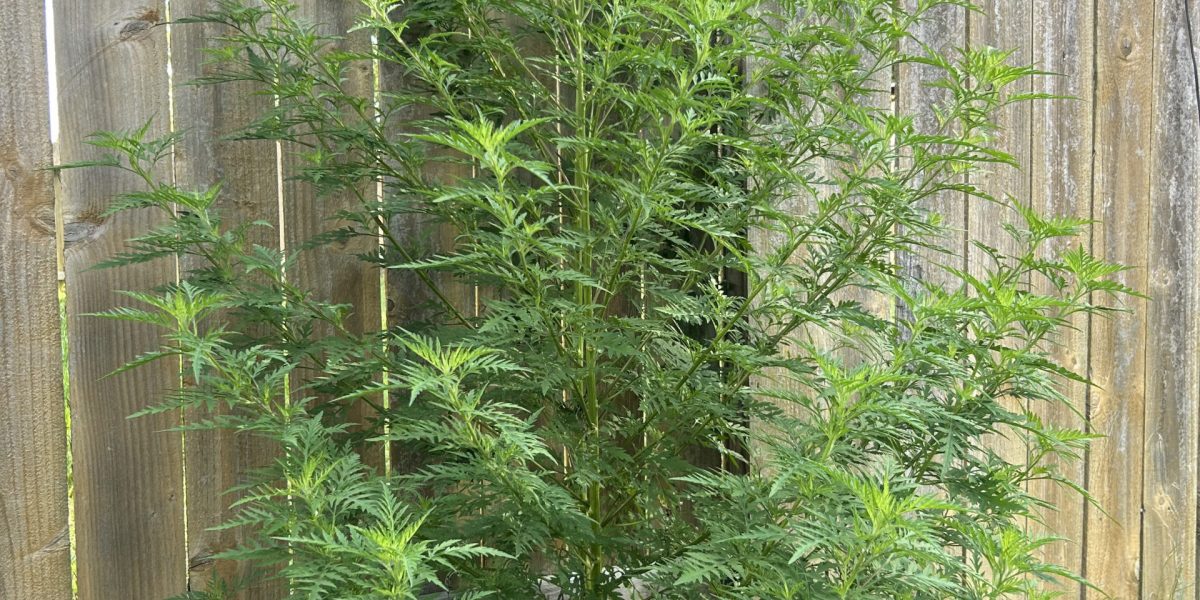
If you find yourself sneezing more toward the end of summer and throughout the fall, ragweed could be to blame. While many people assume spring flowers are responsible for seasonal allergies, ragweed actually causes some of the worst allergy symptoms of the year.
For homeowners in Texas, understanding what is ragweed, how it spreads, and what you can do to limit its growth can help make your yard more enjoyable while reducing one of the biggest sources of seasonal allergies. Although no lawn care program can eliminate airborne pollen from neighboring properties or natural areas, managing weeds on your property is an important step toward creating a healthier outdoor environment.
Here’s what every homeowner should know about ragweed, its pollen, and how professional lawn care can help reduce unwanted weeds in your landscape.
What Is Ragweed?
Many homeowners ask, “what is ragweed?” simply because they have never noticed the plant before allergy season arrives.
Ragweed is a broadleaf annual weed that belongs to the daisy family. It grows quickly during the warmer months and produces tiny flowers that release enormous amounts of pollen into the air. Unlike colorful flowering plants that rely on insects for pollination, ragweed depends on the wind. As a result, its pollen can travel hundreds of miles, making it nearly impossible to avoid entirely.
There are several species of ragweed found throughout North America, but the two most common are:
- Common ragweed
- Giant ragweed
Both species produce highly allergenic pollen, though they differ in appearance and size.
Common Ragweed vs. Giant Ragweed
Although both plants belong to the same family, there are noticeable differences between common ragweed and giant ragweed.
Common Ragweed 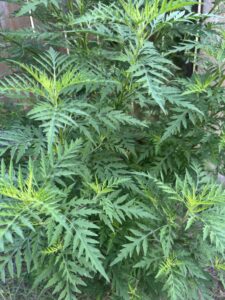
Common ragweed typically grows between one and four feet tall. It has finely divided, fern-like leaves and produces small green flower spikes at the tops of its stems.
You’ll often find common ragweed growing in:
- Disturbed soil
- Roadsides
- Empty lots
- Garden beds
- Thin or stressed lawns
Because it germinates in spring and continues growing throughout the summer, it can quickly become established if left untreated.
Giant Ragweed 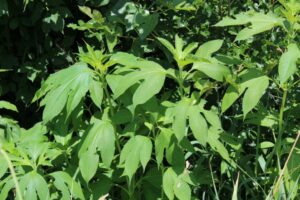
As its name suggests, giant ragweed is significantly larger. It commonly reaches heights of 10 to 15 feet under favorable conditions, making it one of the tallest annual weeds found in Texas.
Unlike its smaller cousin, giant ragweed has much larger leaves that often resemble maple leaves with three to five lobes. It prefers moist soils and is commonly found near drainage areas, fence lines, creeks, and unmanaged landscapes.
Despite the size difference, both weeds release the same type of allergy-producing pollen.
Why Is Ragweed Such a Powerful Allergy Trigger?
The biggest problem isn’t necessarily the plant itself. It’s the ragweed pollen.
A single ragweed plant can produce up to one billion pollen grains during a single season. Because the pollen is extremely lightweight, even a gentle breeze can carry it over long distances.
This means you may experience allergy symptoms even if there isn’t any ragweed growing in your own yard.
Peak ragweed pollen season typically begins in late summer and continues until the first hard frost, making it one of the longest-lasting allergy seasons of the year.
Signs of a Ragweed Allergy
A ragweed allergy affects millions of Americans every year.
Common symptoms include:
- Sneezing
- Runny nose
- Nasal congestion
- Itchy eyes
- Watery eyes
- Scratchy throat
- Coughing
- Fatigue
- Sinus pressure
For people with asthma, ragweed pollen can also worsen breathing difficulties.
Many homeowners notice symptoms are worse on dry, windy days when pollen counts are highest.
Where Does Ragweed Grow?
Ragweed is incredibly adaptable and thrives in areas where soil has been disturbed.
Common locations include:
- Thin lawns
- Bare soil
- Construction sites
- Vacant lots
- Fence lines
- Road shoulders
- Flower beds
- Around utility easements
Healthy, thick turfgrass can make it more difficult for weeds to establish because there is less exposed soil available for seeds to germinate.
Why Ragweed Is Common in Texas
Texas provides ideal growing conditions for ragweed thanks to its long growing season, warm temperatures, and periods of drought followed by rainfall.
After summer rains, ragweed often grows rapidly in neglected lawns and unmanaged landscapes. Areas with compacted soil or thinning turf are especially vulnerable.
Once established, the plants mature quickly and begin producing pollen that affects neighborhoods well beyond where the weeds are growing.
Can Lawn Care Reduce Ragweed?
While no lawn care company can eliminate airborne pollen drifting in from surrounding properties, maintaining a healthy lawn can help reduce ragweed growing on your own property.
Professional weed control programs work by targeting young broadleaf weeds before they become mature plants capable of producing pollen.
A comprehensive lawn care program may include:
Pre-emergent Weed Control
Pre-emergent applications help prevent many annual weeds from germinating. While timing is critical and no pre-emergent controls every weed species, reducing overall weed pressure gives your lawn a better opportunity to thrive.
Post-emergent Weed Control
If ragweed has already emerged, selective post-emergent herbicides can often control actively growing plants before they mature and produce significant amounts of pollen.
Healthy Lawn Fertilization
Dense, healthy turf naturally competes with weeds for sunlight, nutrients, and water.
When your grass is thick and actively growing, there is less open soil where weeds like ragweed can establish.
Proper Watering
Lawns weakened by drought stress often develop thin areas where weeds invade.
Watering deeply and infrequently encourages stronger root systems while supporting healthier turf.
Tips for Reducing Ragweed Around Your Home
In addition to professional lawn care, homeowners can take several simple steps to reduce ragweed around the property.
Mow Regularly
Keeping weeds from reaching maturity can reduce pollen production if ragweed has appeared before treatment.
Remove Young Plants
Small ragweed plants are much easier to remove than mature ones. Always wear gloves if pulling weeds by hand.
Maintain Thick Turf
Fertilization, proper mowing, and adequate irrigation all help crowd out weeds naturally.
Control Weeds in Landscape Beds
Mulch helps suppress weed growth while improving the appearance of flower beds.
Watch Fence Lines
Fence rows and neglected corners of the yard are common places for ragweed to establish unnoticed.
Can You Completely Eliminate Ragweed Pollen?
Unfortunately, probably not.
Because ragweed pollen travels such long distances, even a perfectly maintained lawn can still be exposed to pollen originating miles away.
However, reducing ragweed growing on your own property can decrease the amount of pollen immediately surrounding your home while improving the overall appearance of your landscape.
Combined with recommendations from your healthcare provider for managing seasonal allergies, maintaining a weed-free lawn can make spending time outdoors more enjoyable.
Why Professional Weed Control Makes a Difference
Many homeowners wait until weeds become obvious before taking action. Unfortunately, by that point, ragweed may already be producing pollen and spreading seeds for next year.
Routine lawn care provides ongoing monitoring throughout the growing season, allowing weeds to be identified and treated before they become larger problems.
At GreenGate Turf & Pest, our lawn fertilization and weed control programs are designed to promote thicker, healthier turf while targeting many of the broadleaf weeds commonly found in Texas lawns. Every yard is different, and our technicians evaluate each property to determine the best approach based on the current growing conditions.
Healthy grass is one of the best natural defenses against unwanted weeds.
Frequently Asked Questions About Ragweed
Is ragweed the same as goldenrod?
No. Goldenrod is often blamed for fall allergies because it blooms around the same time as ragweed. However, goldenrod produces heavier pollen that is carried primarily by insects, not wind. Ragweed pollen is the real culprit behind most late summer and fall seasonal allergies.
When does ragweed season start in Texas?
Ragweed typically begins releasing pollen in late summer, with peak levels often occurring from August through October. The season usually ends after the first hard frost.
Does mowing kill ragweed?
Regular mowing may keep ragweed from producing flowers and pollen if done consistently before the plant matures, but it does not eliminate the weed. Professional weed control is often the most effective long-term solution.
Is giant ragweed more allergenic than common ragweed?
Both giant ragweed and common ragweed produce highly allergenic pollen. The main difference is their size, with giant ragweed growing much taller than common ragweed.
Keep Your Lawn Healthy and Weed-Free
A healthy lawn isn’t just about curb appeal. Reducing weeds like ragweed can also help create a more enjoyable outdoor space for your family throughout allergy season.
If weeds are taking over your lawn or you’d like help maintaining thick, healthy turf, GreenGate Turf & Pest is here to help. Our experienced team provides lawn fertilization and weed control services designed specifically for Texas lawns. Contact us today to learn how we can help your lawn stay healthier, greener, and better equipped to compete against unwanted weeds year-round.