

Reviewed by GreenGate Turf & Pest’s Operations Team
If you’ve noticed large, silky webs covering the ends of tree branches in late summer or early fall, you’re likely dealing with a fall webworm infestation. While these pests may look alarming, they don’t always spell disaster for your trees. However, if left untreated year after year, fall webworm damage can weaken trees, reduce their ability to thrive, and leave them vulnerable to additional pests and diseases.
For homeowners in Houston, fall webworms are a common sight from late summer through early fall. Our warm climate provides ideal conditions for these caterpillars to feed and reproduce, making timely identification and treatment important.
What You’ll Learn
In this guide, you’ll learn:
- What fall webworms are and why they appear in Houston
- How to identify a fall webworm infestation
- The difference between fall webworms and other tree pests
- Which trees are commonly affected by webworms in trees
- The signs of fall webworm damage
- How to get rid of fall webworms
- How to prevent fall webworms from returning
- When professional treatment may be needed
What Are Fall Webworms?
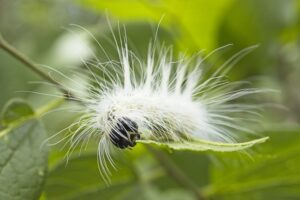
The fall webworm is the larval stage of the fall webworm moth, a native insect found throughout much of North America, including Texas. Adult moths are white with a fuzzy appearance and may have small black spots on their wings. While the moth itself does not damage trees, it lays clusters of eggs on the undersides of leaves.
Once the eggs hatch, dozens or even hundreds of caterpillars begin feeding together. As they grow, they spin large silk webs around the leaves and branches they occupy. These protective webs expand as the caterpillars continue feeding, eventually enclosing entire branch tips.
Unlike many other caterpillars, fall webworms feed from inside these webs, making them easy to recognize from a distance.

What Trees Do Fall Webworms Attack?
One reason fall webworms are so widespread is their enormous appetite. They feed on more than 100 species of deciduous trees and shrubs.
Some of the most commonly affected trees in Houston include:
- Pecan
- Oak
- Elm
- Walnut
- Persimmon
- Sweetgum
- Mulberry
- Cottonwood
- Sycamore
- Redbud
While healthy, mature trees often recover from a single infestation, repeated attacks can reduce vigor over time.
Identifying Webworms in Trees
One of the easiest ways to identify webworms in trees is by looking for their distinctive silk nests. Unlike tent caterpillars, which build webs in branch crotches during the spring, fall webworms construct their webs around the ends of branches during late summer and fall.
Signs of an infestation include:
- Large white silk webs at branch tips
- Caterpillars feeding inside the webs
- Leaves that appear skeletonized or completely eaten
- Brown or thinning foliage
- Expanding webs over several weeks
Because the caterpillars stay protected inside their webs, they can continue feeding largely undisturbed until they mature.
Understanding Fall Webworm Damage
Although a single infestation rarely kills an established tree, fall webworm damage should not be ignored.
The caterpillars feed on leaves, reducing the tree’s ability to photosynthesize and produce energy. Heavy infestations can strip entire branches of foliage, leaving trees looking unhealthy and stressed.
Repeated defoliation over multiple seasons can lead to:
- Reduced growth
- Weakened tree health
- Increased susceptibility to drought
- Greater vulnerability to disease
- Increased risk from other insect pests
Young or newly planted trees are especially vulnerable because they have fewer stored energy reserves than mature trees.
When Are Fall Webworms Most Active in Houston?
Houston’s long growing season allows fall webworms to produce multiple generations each year.
The first generation typically appears in late spring or early summer, but the largest and most noticeable populations usually develop during August through October. This is why homeowners often notice the large webs toward the end of summer.
Prompt treatment during the early stages of an infestation is much more effective than waiting until the webs have expanded.
How to Get Rid of Fall Webworms
Many homeowners ask how to get rid of fall webworms once they discover the large webs in their trees. The best treatment depends on the size of the infestation and the height of the affected branches.
Prune Small Infestations
If only a few branches are affected and they can be safely reached from the ground, pruning out the webs can help eliminate many of the caterpillars before they spread.
Dispose of the branches rather than leaving them nearby.
Remove Webs by Hand
For small ornamental trees, you may be able to remove individual webs using a long pole or pruning tool. Avoid burning the webs, as this can seriously damage the tree.
Encourage Natural Predators
Many birds, parasitic wasps, spiders, and beneficial insects feed on fall webworms. Maintaining a healthy landscape with diverse plant life can encourage these natural predators.
Professional Tree Treatments
For large shade trees or severe infestations, professional treatment is often the safest and most effective option.
Licensed technicians can apply targeted insecticides at the appropriate stage of the caterpillar’s development before significant feeding occurs. Timing is critical because insecticides become less effective once caterpillars are fully protected inside large silk webs.
How to Prevent Fall Webworms
The best strategy is learning how to prevent fall webworms before they become established.
Homeowners can reduce future infestations by:
- Inspecting trees regularly during summer.
- Removing small webs as soon as they appear.
- Keeping trees properly watered during drought.
- Fertilizing trees when appropriate to maintain vigor.
- Scheduling routine tree inspections.
- Treating early before caterpillars mature.
- Maintaining overall landscape health to support beneficial insects.

Healthy trees are far more resilient and recover much faster from occasional insect feeding than stressed trees.
Fall Webworms vs. Tent Caterpillars
Fall webworms are often confused with eastern tent caterpillars, but there are several important differences.
|
Fall Webworms |
Tent Caterpillars |
|
Active in late summer and fall |
Active in spring |
|
Build webs at branch tips |
Build tents in branch crotches |
|
Feed inside the web |
Leave the tent to feed |
|
Attack more than 100 tree species |
Feed on a narrower range of hosts |
Correct identification helps ensure the proper treatment is used.
Should You Worry About Fall Webworms?
Although the webs can look dramatic, healthy, established trees usually survive a single infestation without long-term problems.
However, recurring infestations, especially when combined with drought, disease, or poor tree health, can place significant stress on trees over time. If you notice multiple webs throughout your property or the infestation returns year after year, professional treatment can help protect your landscape before damage becomes more severe.
Why Houston Homeowners Trust GreenGate Turf & Pest
At GreenGate Turf & Pest, we understand the unique pest challenges Houston homeowners face. Our licensed technicians are trained to identify tree pests accurately and recommend treatments based on the life cycle of the insect—not just the symptoms you see.
Whether you’re dealing with fall webworms, other tree-feeding insects, or general landscape pests, our team focuses on protecting the long-term health of your trees while using targeted, effective treatment methods.
We believe that early detection and proactive care are the best ways to keep your landscape healthy, beautiful, and thriving throughout the year.
Frequently Asked Questions
Do fall webworms kill trees?
Healthy, mature trees rarely die from a single infestation. However, repeated defoliation over multiple years can weaken trees and make them more susceptible to disease and other pests.
Are fall webworms harmful to people or pets?
No. Fall webworms are not considered dangerous to humans or pets. They do not bite, sting, or spread disease.
When should I treat fall webworms?
Treatment is most effective when caterpillars are young and before the silk webs become large and dense. Early detection significantly improves treatment success.
Can I remove the webs myself?
If the affected branches are safely within reach, pruning or removing small webs can help reduce the population. For tall trees or widespread infestations, professional treatment is recommended.
Protect Your Houston Trees with GreenGate Turf & Pest
If you’ve noticed silky webs appearing in your trees, don’t wait until the damage spreads. The earlier fall webworms are identified and treated, the easier they are to control and the healthier your trees will remain.
GreenGate Turf & Pest provides professional tree and shrub care services designed specifically for Houston landscapes. Our experienced, licensed technicians can inspect your trees, identify pest problems, and recommend targeted treatments that help protect your investment year-round.
Contact GreenGate Turf & Pest today to schedule your tree inspection and keep your landscape healthy, beautiful, and free from damaging tree pests.