

There’s nothing quite as frustrating as stepping out to admire your lush, green lawn, only to find unsightly patches of brown, dying grass. While many factors can contribute to lawn distress, for homeowners in Houston, Texas, a common culprit often goes unnoticed until it’s too late: chinch bugs. These tiny yet destructive pests can wreak havoc on your turf, especially during our warm, humid summers. Fortunately, with the right knowledge and timely chinch bug treatment, you can identify, eliminate, and prevent chinch bugs from turning your dream lawn into a nightmare.
What Are Chinch Bugs?
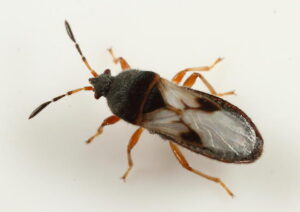

Before you can tackle an infestation, it helps to understand exactly what chinch bugs are and why they’re such a threat to your lawn.
- Small, sap-sucking insects that belong to the true bug family.
- A major lawn pest known for attacking St. Augustine and Bermuda grass, two of the most common turf varieties in the Houston area.
- Capable of causing extensive chinch bug damage during hot, dry weather if left untreated.
How to Identify a Chinch Bug
Identifying a chinch bug can be difficult because of its small size, but early detection is essential for successful chinch bug control.
Adult Chinch Bugs
- About 1/8 to 1/5 inch long.
- Black body.
- Distinctive white wings with a triangular black marking on each wing.
Chinch Bug Nymphs
- Smaller than adults.
- Bright red with a white band across the back when young.
- Gradually darken to brownish-black as they mature.
How to Spot Chinch Bugs in Your Lawn
If you suspect chinch bugs are damaging your grass, try one of these inspection methods.
Visual Inspection
- Get down on your hands and knees.
- Part the grass blades along the edge of a damaged area.
- Look near the soil line where chinch bugs tend to gather. A magnifying glass can make them easier to spot.
The Can Test
One of the easiest ways to confirm a chinch bug infestation is with the can test.
- Remove both ends of a coffee can.
- Push the can several inches into the soil.
- Fill it with water.
- Wait several minutes. If chinch bugs are present, they’ll float to the surface.
Life Cycle of Chinch Bugs
Understanding the life cycle of chinch bugs helps you choose the most effective chinch bug treatment.
- Egg: Females lay eggs inside grass sheaths or leaf folds.
- Nymph: Eggs hatch into nymphs that molt several times as they grow.
- Adult: Mature adults continue feeding and reproducing.
Because Houston has a long growing season, multiple generations of chinch bugs can develop each year. This rapid reproduction allows populations to increase quickly, making early chinch bug control especially important.
Understanding Chinch Bug Damage
One of the biggest challenges with chinch bugs is that chinch bug damage often resembles drought stress or lawn disease.
Signs of Chinch Bug Damage
Watch for these common symptoms:
- Irregular patches of yellow, brown, or dead grass.
- Damage that starts in sunny, hot areas near sidewalks, driveways, patios, or foundations.
- Grass that remains brown and brittle even after watering.
Unlike drought-stressed turf, grass suffering from chinch bug damage won’t recover simply by adding water.
How Chinch Bugs Kill Grass
Chinch bugs feed by piercing grass blades with needle-like mouthparts and sucking out plant juices. While feeding, they inject toxic saliva that disrupts the plant’s ability to move water and nutrients.
Over time, this feeding causes grass to yellow, dry out, and die. Without prompt chinch bug treatment, damage can spread rapidly across the lawn, leading to expensive repairs or replacement sod.
Effective Chinch Bug Treatment Options
Once you’ve confirmed the presence of chinch bugs, it’s important to begin treatment before the infestation spreads. Depending on the severity of the problem, both organic and chemical options can provide effective chinch bug control.
Organic Chinch Bug Treatment
If you prefer environmentally friendly solutions, consider these options.
Beneficial Nematodes
- Microscopic organisms that naturally prey on chinch bugs.
- Applied with water.
- Help reduce populations without harming beneficial insects.
Insecticidal Soaps
- Kill chinch bugs through direct contact.
- Most effective against young nymphs.
- May require multiple applications for complete control.
Diatomaceous Earth (DE)
- Natural powder made from fossilized algae.
- Damages the insects’ outer coating, causing dehydration.
- Works best when applied to dry grass.
Maintaining healthy turf through proper watering, mowing, and fertilization also strengthens your lawn’s natural resistance to chinch bugs.
Chemical Chinch Bug Insecticide Options
For severe infestations, a labeled chinch bug insecticide may be the fastest and most effective solution.
Look for products specifically designed for chinch bug control that contain active ingredients such as:
- Bifenthrin
- Permethrin
- Lambda-cyhalothrin
- Imidacloprid
Available formulations include:
- Granular products that are spread and watered into the lawn.
- Liquid concentrates applied with a hose-end or pump sprayer.
When using any chinch bug insecticide:
- Carefully read and follow all label directions.
- Apply at the recommended rates.
- Observe precautions for pets, children, and nearby waterways.
- Reapply only as directed on the product label.
If the infestation covers a large portion of your lawn or continues returning, professional chinch bug control services may be the most cost-effective long-term solution.
Preventing Chinch Bugs
The best chinch bug treatment is preventing infestations before they begin. Healthy, vigorously growing turf is much less susceptible to serious damage.
Maintain a Healthy Lawn
Water Properly
Water deeply but infrequently to encourage deeper root growth. In Houston, watering early in the morning helps reduce stress while allowing excess moisture to evaporate.
Mow at the Correct Height
Maintain the recommended mowing height for your grass type.
- Bermuda grass: 2–3 inches.
- St. Augustine grass: 3–4 inches.
Taller grass shades the soil, reduces heat stress, and creates less favorable conditions for chinch bugs.
Fertilize Appropriately
A balanced fertilization program encourages vigorous growth, allowing grass to better recover from minor pest feeding.
Aerate and Reduce Thatch
Regular aeration improves water penetration and root development while relieving soil compaction.
Excessive thatch creates an ideal hiding place for chinch bugs. GreenGate’s liquid dethatcher helps break down thatch naturally so it can be recycled into nutrients for your lawn.
Additional Chinch Bug Prevention Tips
You can further reduce your risk by making a few environmental improvements.
- Remove excessive thatch buildup.
- Aerate compacted soils regularly.
- Avoid over-fertilizing, which can produce tender growth attractive to pests.
- Consider planting turf varieties with improved resistance, such as Empire Zoysia, when replacing damaged lawns.
Conclusion
Although chinch bugs can cause significant lawn damage, they’re much easier to manage when caught early. By learning how to identify a chinch bug, recognize chinch bug damage, choose the right chinch bug treatment, and apply an effective chinch bug insecticide when necessary, you can protect your lawn throughout the growing season.
Combining preventative lawn care with timely chinch bug control will help keep your grass healthy, green, and resilient year after year.
Ready to reclaim your lawn from chinch bugs? Reach out today to explore our effective chinch bug insecticide solutions or request a personalized quote for professional chinch bug control.