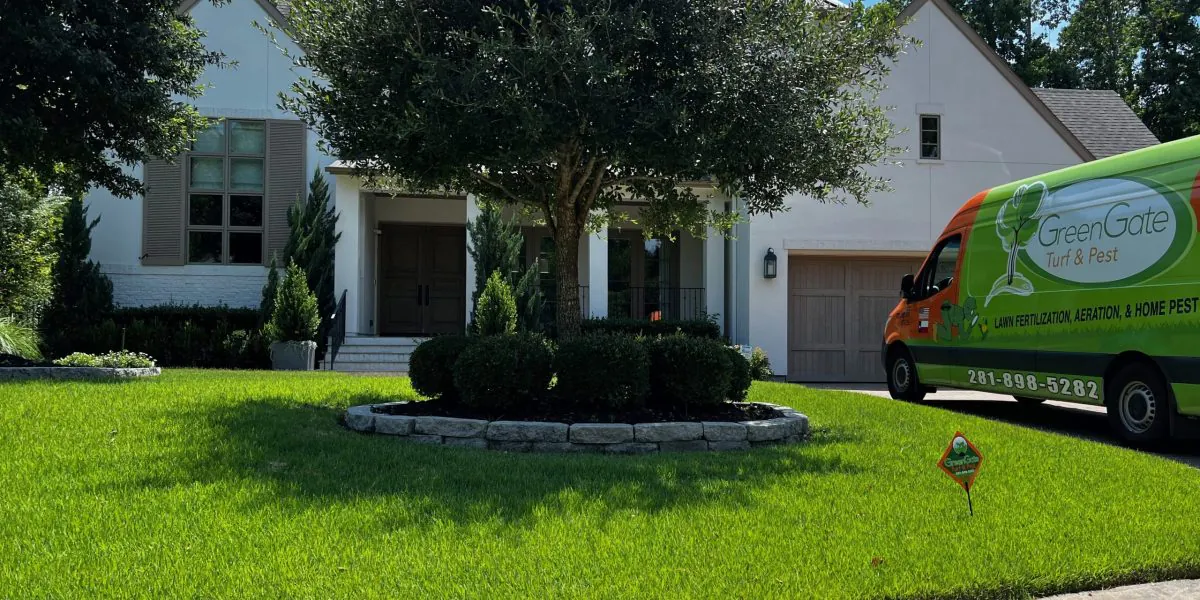
A healthy lawn in Cypress, TX starts with understanding what your grass is up against: intense heat, humidity, alkaline soil, drainage swings, weeds, and seasonal pests. The best results come from consistent care, not one-time fixes, including smart watering, proper mowing,soil testing, targeted fertilization, and timely pest prevention. Whether you handle the work yourself or hire professional lawn care services, a local plan will always outperform a generic routine.
Lawn care in Cypress is different because local yards often deal with hot, humid summers, alkaline soil, and a mix of clay and sandy loam that can either hold too much water or dry out quickly. These conditions affect how roots absorb nutrients, how weeds spread, and how easily turf becomes stressed. Good lawn maintenance Cypress homeowners can rely on is built around prevention: improving soil health, watering deeply, feeding at the right times, and watching for early signs of pests or disease.
One of the biggest local challenges is high-pH soil. When soil is alkaline, nutrients such as iron may become less available to the grass even when they are technically present. That can lead to yellowing, weak growth, and a lawn that looks hungry even after feeding. A healthy lawn in Cypress depends on correcting the underlying soil and nutrient balance instead of simply applying more fertilizer.
Start with the Right Grass for Cypress Conditions
Warm-season grasses usually make the most sense for Cypress because they can handle heat better than cool-season varieties. Bermuda, St. Augustine, and Zoysia are common choices. The best option depends on sunlight, foot traffic, irrigation, and how much maintenance you want to manage.
St. Augustine is common in established neighborhoods and does well in many residential lawns, especially where there is partial shade. Bermuda is tougher in sunny, high-traffic areas and has good drought tolerance once established. Zoysia offers a dense, attractive look but can be slower to recover from damage.
Before replacing struggling turf, look closely at why it is failing. Thin grass may be caused by shade, compacted soil, pests, poor drainage, or nutrient lockup. Installing new sod without solving those issues often leads to the same problem returning.
Soil Testing Gives Your Lawn Care Plan Direction
A soil test is one of the most practical healthy grass tips for Cypress homeowners because it shows what your lawn actually needs. Guessing can waste money and may worsen imbalances. Testing helps you understand pH, nutrient levels, and whether your fertilizer plan is supporting root growth or only creating short-lived color.
For a simple DIY approach:
Collect small soil samples from several areas of the lawn, especially both healthy and struggling spots.
Remove grass blades, thatch, rocks, and mulch from the sample.
Mix the soil together in a clean container.
Let it dry naturally before packaging it for a home kit or local testing option.
Use the results to guide fertilizer, soil amendments, and watering adjustments.
If your results show alkaline soil, the goal is usually not to make dramatic changes overnight. Instead, focus on steady improvement, better nutrient availability, and the right product choices. A professional lawn fertilizer service can also interpret the results and recommend a schedule that fits Cypress conditions.
Water Deeply, Not Constantly
Watering mistakes are a major reason lawns decline in hot, humid areas. Daily light watering encourages shallow roots and can keep grass blades damp long enough to invite fungal problems. Deep, less frequent watering helps roots grow downward, making the lawn more resilient during heat and dry spells.
A good rule is to water early in the morning so moisture reaches the root zone before the hottest part of the day. Evening watering may seem convenient, but it can leave grass wet overnight. In Cypress humidity, that extra moisture may contribute to disease pressure.
Your soil type matters, too. Sandy areas may drain quickly and need careful monitoring, while clay-heavy areas may hold water and become compacted. If water runs off before soaking in, try cycle watering: apply water in shorter rounds with breaks between them so the soil can absorb moisture more evenly.
Fertilization Should Match the Season
A strong fertilization plan supports root health, color, density, and recovery from stress. In Cypress, many lawns benefit from season-specific feeding paired with pre-emergent and post-emergent weed control. Some local programs use multiple applications throughout the year rather than relying on one heavy treatment.
The important point is timing. Spring feeding should support green-up without pushing weak, fast growth too early. Summer care should help the lawn tolerate heat and stress. Fall applications can strengthen roots and prepare turf for cooler weather. Winter weed prevention may also be part of the plan, depending on the lawn’s condition.
When choosing a lawn fertilizer service, ask whether they adjust products by season and whether they consider soil test results. A one-size-fits-all program may not address iron lockup, drainage issues, or pest pressure. The best Cypress lawn care approach treats fertilization as part of a larger soil health strategy.
Mowing Habits Protect the Root System
Mowing is not just cosmetic. Cutting too short stresses grass, exposes soil to sunlight, and makes it easier for weeds to take hold. A healthier approach is to follow the one-third rule: avoid removing more than one-third of the grass blade at a time.
Sharp mower blades also matter. Dull blades tear grass instead of cutting it cleanly, leaving ragged tips that brown quickly and become more vulnerable to disease. During peak growing season, you may need to mow more often, but each cut should be moderate.
Leaving clean grass clippings on the lawn can help recycle nutrients back into the soil. This does not create thatch when mowing is done regularly and the clippings are small. It is a simple, low-cost way to support a healthy lawn while reducing yard waste.
Aeration Helps Compacted Cypress Lawns Breathe
Compacted soil makes it harder for water, oxygen, and nutrients to reach the roots. In Cypress lawns, compaction can develop from foot traffic, heavy clay content, equipment, or repeated wet-dry cycles. When roots cannot expand, the lawn may look thin even if it receives enough water and fertilizer.
Core aeration removes plugs of soil, while liquid aeration uses products designed to loosen compacted soil and improve movement through the root zone. Some Cypress providers prefer liquid aeration for longer-term soil structure support, especially where plugs are inconvenient or where the goal is broader soil conditioning.
Signs your lawn may need aeration include standing water, hard soil, thinning turf, heavy thatch, and fertilizer that seems to have little effect. Aeration works best when paired with proper watering and feeding, not as a stand-alone fix.
How Do You Prevent Pests and Lawn Diseases?
You prevent pests and lawn diseases by reducing stress first, then treating problems early when they appear. Healthy turf is naturally more resistant, but Cypress lawns can still face fire ants, chinch bugs, sod webworms, grubs, and mosquitoes. Heat, humidity, overwatering, and thick thatch can also create conditions where fungal issues spread quickly.
Integrated pest management is a practical approach because it combines observation, prevention, and targeted treatment. Instead of spraying randomly, inspect the lawn for patterns. Brown patches near hot pavement may signal drought stress, while irregular chewing damage can point to insects. Yellowing may come from nutrient lockup, pests, or disease, so diagnosis matters.
Helpful prevention steps include:
Keep grass at the recommended height for its type to reduce stress.
Water in the morning and avoid keeping the lawn wet overnight.
Reduce standing water where mosquitoes breed.
Watch for ant mounds, moth activity, or sudden thinning.
Treat pest problems promptly before they spread across the yard.
Choose products and application methods with children and pets in mind.
If you are unsure what is causing the damage, professional lawn care services can evaluate the lawn before applying treatments. This helps avoid unnecessary chemicals and improves the chance of solving the real issue.
Organic and Eco-friendly Options Can Support Strong Results
Eco-friendly lawn care is not about ignoring weeds or pests. It is about choosing methods that support soil biology, reduce unnecessary inputs, and use targeted treatments when needed. For many homeowners, organic lawn solutions are appealing because they can fit family-friendly outdoor spaces and long-term soil improvement goals.
Organic or natural carbon-based products may help build healthier soil over time. They often work best as part of a consistent program rather than a quick rescue treatment. Traditional products may act faster in some situations, especially for aggressive weeds or active pest infestations, but they should still be used thoughtfully and according to label directions.
A balanced approach might include soil testing, proper mowing, deep watering, natural soil amendments, selective weed control, and pest treatments only when necessary. If you are comparing providers, ask how they define organic, what products they use, and whether their plan changes based on lawn conditions.
A Seasonal Care Rhythm Keeps Your Lawn on Track
Cypress lawns respond best when maintenance follows the growing cycle. A simple seasonal rhythm keeps small issues from becoming expensive repairs.
Early spring:
Inspect for winter weeds, bare spots, and drainage problems.
Begin pre-emergent weed control if appropriate.
Service irrigation before hot weather arrives.
Avoid heavy fertilization until grass is actively growing.
Late spring through summer:
Water deeply in the morning as heat increases.
Mow regularly without scalping.
Watch for chinch bugs, sod webworms, fire ants, and fungal patches.
Feed according to grass type, soil needs, and weather conditions.
Fall:
Support root strength before cooler weather.
Address compacted soil with aeration when appropriate.
Apply weed prevention for cool-season weeds.
Repair thin areas while conditions are less stressful.
Winter:
Reduce mowing as growth slows.
Keep leaves and debris from smothering grass.
Monitor weeds and drainage after rain.
Plan soil testing and service changes before spring.
This kind of rhythm is also useful when coordinating broader Cypress TX landscaping projects. Drainage, shade, bed placement, and irrigation design all affect turf health, so lawn and landscape decisions should work together.
Professional Help is Worth Considering When Problems Repeat
DIY care can work well when the lawn is stable, but recurring yellowing, weeds, pests, or thinning usually point to a deeper issue. Local Cypress lawn care professionals can evaluate soil, grass type, irrigation, drainage, and pest activity together. That broader view is especially valuable when several problems look similar from the surface.
When comparing lawn care services, look for clear communication and a plan that explains what is being applied, when it is applied, and why. Ask whether the provider offers soil-informed fertilization, weed control, pest management, aeration, and organic lawn solutions if those are priorities for your household. A good provider should be able to explain realistic expectations, not promise instant perfection.
Professional service can also save time during peak growing season. Cypress lawns often need consistent attention when heat, humidity, weeds, and insects are all active. Having a proactive schedule reduces guesswork and helps protect your investment in your yard.
Key Takeaways for a Healthier Cypress Lawn
Maintaining a healthy lawn in Cypress is less about doing more and more about doing the right things at the right time. Focus on local soil conditions, choose grass suited to heat, water deeply, mow correctly, and fertilize based on need. Watch for pests early, consider aeration when soil is compacted, and use eco-friendly lawn care practices where they fit your goals.
A strong lawn is built through steady habits. With the right plan, your grass can become thicker, greener, and better prepared for Cypress weather instead of constantly reacting to the next problem.
Ready for a Healthier Cypress Lawn?
Maintaining a healthy lawn in Cypress takes more than keeping up with mowing and watering. Soil conditions, irrigation, fertilization, weeds, pests, and seasonal weather all play a role in how your grass looks and performs. If you are tired of guessing what your lawn needs, GreenGate Turf & Pest can help.
Our lawn care programs are designed around the conditions local homeowners face, with services that can include fertilization and weed control, pest management, aeration, and other lawn treatments. Our team can evaluate your lawn, identify areas of concern, and help create a plan focused on building healthier, stronger turf over time.
Whether your lawn is struggling with weeds, thinning grass, pests, or summer stress, getting the right diagnosis is the first step. Contact GreenGate Turf & Pest today to learn more about our Cypress lawn care services and take the guesswork out of maintaining your lawn.