
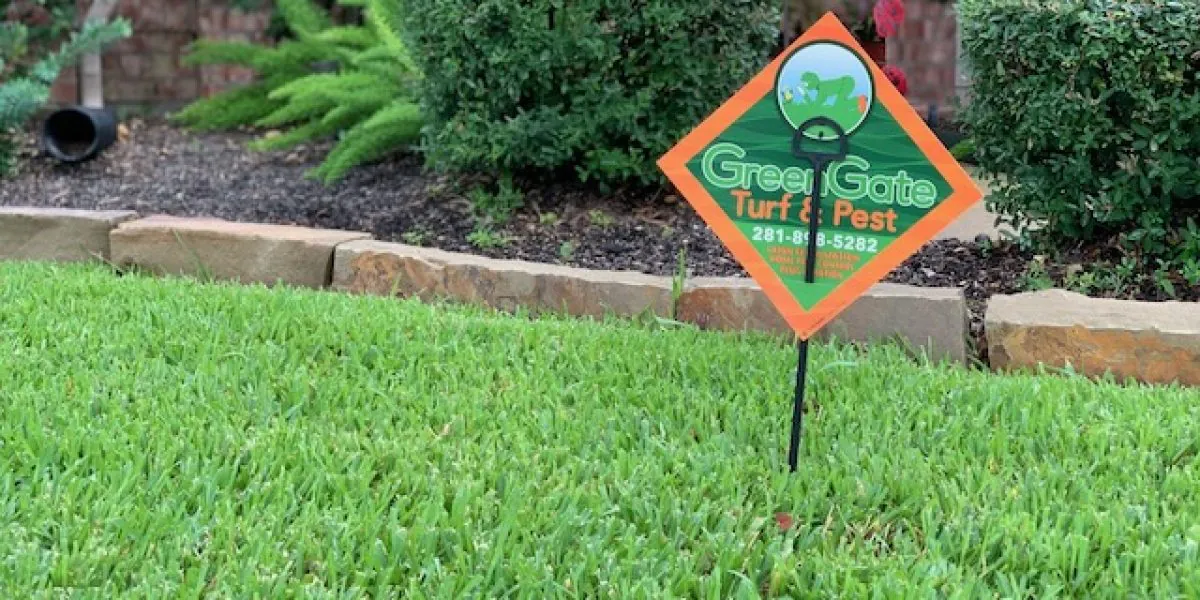
A healthy Tomball lawn takes more than routine mowing. Warm weather, fast-growing grasses, summer dry spells, heavy foot traffic, weeds, pests, and compacted soil can all affect how your yard looks and performs. Professional lawn care and maintenance services help bring those pieces together with mowing, edging, lawn aeration, fertilization, weed control, and landscaping support built around local conditions.
For homeowners, the goal is usually a thicker, greener lawn that looks good without becoming a weekend project. For property managers and businesses, dependable lawn services in Tomball help keep entrances, common areas, storefronts, and outdoor spaces neat, safe, and welcoming.
What Does a Healthy Lawn Care Plan in Tomball Include?
A healthy lawn care plan in Tomball includes regular mowing, clean edging, seasonal lawn aeration, proper watering guidance, weed and pest management, and a lawn fertilizer service timed around warm-season grass growth. Each service supports the others: mowing keeps growth controlled, aeration improves soil access, fertilizer feeds active roots, and weed control helps desirable turf fill in instead of competing for space.
The best lawn care Tomball properties receive is not one-size-fits-all. A shaded backyard, a sunny corner lot, and a commercial frontage area all have different stress points. Professional lawn care service Tomball TX providers typically look at turf type, soil condition, drainage, traffic, weeds, bare spots, and maintenance goals before recommending a plan.

Local Conditions Shape Every Lawn Care Decision
Tomball’s warm, humid climate creates a long growing season for many warm-season grasses, but it also creates lawn stress. Grass may grow aggressively in spring and early summer, then struggle during hotter dry periods if roots are shallow or soil is compacted. Humidity can also make drainage and airflow more important, especially where dense turf, shade, or overwatering encourages fungal issues.
Soil matters, too. Many local lawns include sandy or sandy-loam conditions that drain faster than heavier clay soils. That can be helpful after rain, but it also means lawns may dry out quickly in intense heat. Slightly alkaline soil conditions can affect how efficiently grass uses nutrients, which is why guessing at fertilizer timing or applying too much product can waste effort and create uneven results.
Common warm-season grasses in the area, such as Bermuda, Zoysia, and St. Augustine, respond best when care is matched to their active growth cycles. That is why spring and early summer are often important windows for repair, feeding, and lawn aeration. When turf is actively growing, it can recover faster and fill in more effectively.
Lawn Aeration Builds Stronger Roots From the Soil Up
Lawn aeration is the process of opening compacted soil so air, water, and nutrients can reach the root zone more effectively. Core aeration, the most common professional method, removes small plugs of soil from the lawn. Those openings give roots room to expand, improve water movement, and reduce the pressure that keeps turf thin or patchy.
Compaction often happens gradually. Kids playing in the yard, pets, parked equipment, outdoor gatherings, mowing patterns, and natural soil settling can press the soil together over time. You may notice water running off instead of soaking in, thin grass in high-traffic areas, or a lawn that seems to need constant watering but still looks tired.
Aeration can help by:
- Improving oxygen flow around the root system.
- Helping irrigation and rainfall move deeper into the soil.
- Supporting better nutrient uptake after fertilization.
- Reducing stress in areas with heavy foot traffic.
- Encouraging thicker turf that can compete better with weeds.
- Helping break down minor thatch buildup naturally.
Aeration is not an instant makeover, and it should not be treated like a cosmetic service. Its value is below the surface. When roots have better access to moisture and nutrients, the visible lawn has a stronger foundation for steady growth.
When Should You Schedule Lawn Aeration in Tomball?
For most warm-season lawns in Tomball, lawn aeration is best scheduled during active growth, often in spring through early summer. This timing gives grass the energy and growing conditions needed to recover from aeration openings and fill in before the most stressful stretch of summer heat. Aerating dormant or highly stressed turf is usually less effective because the lawn cannot respond as quickly.
Frequency depends on the property. A lightly used residential lawn may only need aeration occasionally, while a compacted yard, high-traffic lawn, or commercial property may benefit from a more regular schedule. Lawns with poor drainage, recurring bare patches, hard soil, or heavy use should be evaluated more closely.
A simple timing checklist can help:
- Check growth first. Aerate when warm-season grass is actively growing, not when it is dormant or severely drought-stressed.
- Coordinate with fertilization. Aeration before or near a lawn fertilizer service can improve access to the root zone.
- Avoid muddy conditions. Soil should be moist enough for core removal, but not saturated.
- Plan around weed pressure. If weeds are heavy, a professional can recommend whether weed control should happen before or after aeration.
- Water wisely afterward. Light, consistent moisture supports recovery, but overwatering can create new problems in humid conditions.
Fertilization Works Best When it Supports the Season
A lawn fertilizer service should do more than make grass look green for a few weeks. Good fertilization supports steady growth, root strength, color, and resilience. In Tomball, that means applying nutrients when the lawn can use them, rather than forcing growth at the wrong time.
Warm-season grasses typically need more support during active growth. However, the right product and timing depend on turf type, soil behavior, weather, and the lawn’s current condition. Too little fertilizer may leave turf thin and pale. Too much can push weak top growth, increase mowing demands, or contribute to pest and disease pressure.
Professional lawn care Tomball TX programs often pair fertilization with observation. A lawn with compacted soil may not respond well until aeration improves access. A yard with heavy weeds may need control measures before fertilizer encourages everything to grow. A lawn with inconsistent watering may show uneven color even when the fertilizer program is sound.
Mowing, Edging, and Routine Maintenance Keep Progress Visible
Aeration and fertilization improve the lawn’s foundation, but routine maintenance keeps the property looking cared for week after week. Consistent mowing at an appropriate height encourages denser turf, reduces stress, and creates a more even appearance. Cutting too short can weaken grass, expose soil to heat, and give weeds more opportunity.
Edging and trimming matter because they define the landscape. Clean borders along sidewalks, driveways, beds, and fences make the entire property feel more polished. This is especially important for front yards, rental properties, HOA communities, retail spaces, offices, and other high-visibility sites.
A dependable lawn care and maintenance services plan may include:
- Scheduled mowing during the growing season.
- String trimming around fences, trees, signs, and hard-to-reach areas.
- Edging along sidewalks, curbs, patios, and driveways.
- Blowing clippings from hard surfaces.
- Seasonal cleanup of leaves, small debris, and overgrowth.
- Monitoring for weeds, bare areas, pests, and irrigation concerns.
These recurring visits also create consistency. When a professional sees the lawn regularly, small issues are easier to spot before they become expensive repairs.

Landscaping Ties the Lawn into the Whole Property
Tomball landscaping is about more than planting shrubs or adding mulch. It connects the lawn, beds, walkways, trees, drainage areas, and outdoor living spaces into a cleaner, more functional property. Good landscaping should fit the way the space is used, not just how it looks on installation day.
For a residential yard, that may mean refreshing flower beds, shaping shrubs, choosing heat-tolerant plants, adding mulch to protect soil moisture, or cleaning up overgrown areas. For a commercial property, it may mean improving curb appeal near signage, keeping entrances visible, maintaining safe walkway clearance, and presenting a professional first impression.
Landscaping and lawn care should work together. Overgrown shrubs can shade turf and trap humidity. Poorly defined beds can allow grass and weeds to creep into planting areas. Irrigation overspray can create wet spots that stress the lawn. When one team looks at the whole property, maintenance becomes more coordinated and practical.
How do Aeration, Fertilizer, Weeds, and Pests Work Together?
Aeration, fertilizer, weed control, and pest management work together by reducing lawn stress from different angles. Aeration improves the soil environment, fertilizer supports healthy growth, weed control reduces competition, and pest management protects roots and blades from damage. When these services are timed correctly, the lawn has a better chance to thicken naturally and recover from seasonal stress.
This matters because lawn problems rarely have only one cause. Thin grass may be related to compaction, low nutrients, poor mowing height, irrigation issues, insects, disease, shade, or weed competition. Treating only the visible symptom can lead to short-term improvement followed by the same problem returning.
A practical integrated approach may look like this:
- Early growing season: Evaluate turf condition, weeds, soil compaction, drainage, and mowing needs.
- Spring to early summer: Schedule lawn aeration when grass is actively growing and able to recover.
- After aeration: Apply fertilizer when appropriate so nutrients can support the root zone.
- Throughout the season: Maintain consistent mowing, edging, and monitoring.
- As issues appear: Address weeds, pests, or disease pressure before they spread.
- Late season: Prepare the lawn to handle cooler weather and reduced growth.
This kind of plan is especially useful for busy homeowners who want results without managing every treatment window themselves.
Residential and Commercial Properties Need Different Service Rhythms
Residential lawns often focus on comfort, curb appeal, pets, kids, and neighborhood appearance. The service rhythm may be built around weekly or biweekly mowing during peak growth, seasonal bed care, periodic aeration, and fertilization that supports the specific turf. Homeowners usually want a lawn that looks inviting without constant troubleshooting.
Commercial lawn care services Tomball properties need are often more schedule-driven. Businesses, churches, schools, offices, retail centers, and managed communities may require consistent appearance, clear walkways, safe visibility, and reliable service windows. Missed maintenance is more noticeable when customers, tenants, employees, or visitors see the property every day.
Commercial plans may also involve larger turf areas, more edging, parking lot islands, signage beds, irrigation concerns, and coordination around operating hours. The priority is not only a healthy lawn, but a property that looks professionally managed in every season.
DIY Care Has Limits on Busy or Stressed Lawns
Some homeowners can handle basic mowing, watering, and small cleanup tasks. DIY care can work well for simple yards when the owner has time, equipment, and a good understanding of seasonal needs. But aeration, fertilization, weed control, and diagnosis are where many lawns benefit from professional support.
Aeration equipment can be heavy, awkward to transport, and difficult to use evenly. Fertilizer mistakes may not show immediately, but they can lead to uneven color, wasted product, or stressed turf. Weed and pest problems can also be misidentified, which delays the right solution.
Professional lawn services Tomball homeowners rely on bring consistency and timing. They know when to adjust mowing height, when soil conditions are suitable for aeration, and when a lawn needs observation before more products are applied. That practical judgment is often what separates temporary improvement from lasting progress.
Choosing the Right Lawn Care Partner
The right provider should ask about your goals, look at the lawn’s condition, and explain recommendations clearly. A good plan should feel practical, not confusing or overly complicated. You should understand what is being done, why it matters, and what kind of maintenance supports the result.
Before choosing a lawn care service Tomball TX property owners can depend on, consider these points:
- Does the provider understand warm-season grasses common in the area?
- Can they explain when lawn aeration is useful and when it should wait?
- Do they offer mowing, edging, fertilization, and landscape maintenance together?
- Will they adjust recommendations for shade, drainage, traffic, and soil condition?
- Can they support both one-time projects and recurring maintenance?
- Do they communicate clearly about scheduling and property access?
The best fit is usually a team that treats your lawn as part of the whole property. That leads to smarter recommendations and fewer disconnected services.
A Better Lawn Starts with a Better Plan
Lawn care in Tomball is easier when each service has a purpose. Mowing keeps the property neat, fertilization feeds active turf, lawn aeration opens compacted soil, weed and pest control protect progress, and landscaping brings the full outdoor space together. When those services are timed around local grass, soil, and weather patterns, the lawn has a stronger chance to stay healthy through the demanding Texas growing season.
Whether you manage a home, business, rental property, or community space, professional lawn care Tomball support can save time and reduce guesswork. Start with an evaluation of your lawn’s current condition, then build a realistic maintenance plan that fits the property, the season, and the results you want to see.