
If you have been searching for someone to “aerate my lawn near me,” you are probably seeing signs that your grass is struggling: thin patches, puddling water, hard soil, or a lawn that looks tired even after mowing and watering. Lawn aeration helps open compacted soil so air, water, and nutrients can move down to the roots where healthy growth begins. This guide explains how lawn aeration services work, when to schedule them, and what to expect from a professional lawn aeration service.
Do I Really Need Lawn Aeration?
You likely need lawn aeration if your soil is compacted, your grass is thinning, or water runs off instead of soaking in. Over time, foot traffic, mowing, pets, heavy rain, and clay-heavy soil can press the ground so tightly that grass roots struggle to breathe and grow. Aeration creates space in the soil, giving your lawn a better chance to absorb moisture, use nutrients, and build a deeper root system.
A lawn can look green on the surface and still have problems underneath. Compacted soil limits root development, which means the grass may become more vulnerable to heat, drought, weeds, and everyday wear. If you feel like you are watering, fertilizing, and caring for your yard but not seeing results, soil aeration may be the missing step in your lawn care routine.
Common signs your lawn may benefit from grass aeration include:
- Water pooling after rain or irrigation
- Bare or thinning areas in high-traffic zones
- Soil that feels hard when you push in a screwdriver or garden tool
- Grass that browns quickly during dry weather
- Heavy thatch buildup near the soil surface
- Weak response after fertilizing
- A lawn that gets used often by kids, guests, or pets
Not every lawn needs the same approach, but most established lawns benefit from periodic aeration. A local provider can look at your grass type, soil condition, drainage, and overall lawn health before recommending the best timing and method.
How Professional Lawn Aeration Works
Professional lawn aeration is designed to reduce compaction without tearing up your yard. The most familiar method is core aeration, where a machine removes small plugs of soil from the lawn. These openings allow oxygen, water, and nutrients to reach the root zone more easily, while the soil plugs naturally break down and return organic matter to the lawn.
A typical lawn aeration service may include a few simple steps. First, the lawn is inspected for compacted areas, sprinkler heads, shallow utility features, or places that need extra care. Next, the aeration equipment is run across the lawn in an organized pattern so the yard receives even coverage. Afterward, the small cores are usually left in place because they decompose naturally and help improve the soil structure.
Aeration services are often paired with overseeding or fertilization. That is because the holes created during aeration give seed and nutrients better soil contact. If your lawn has thin spots, overseeding after aeration can help fill them in more effectively than spreading seed over compacted ground.
A professional service can also help prevent common mistakes, such as aerating when the soil is too dry, using the wrong equipment, or missing the areas that need the most attention. While rental aerators are available, they can be heavy, difficult to transport, and less effective if the lawn is not prepared correctly.

The Biggest Aeration Benefits for Your Yard
The most important aeration benefits happen below the surface, but the results can show up across the whole lawn. When soil is less compacted, roots have more room to spread. Deeper roots can help grass handle seasonal stress and recover better from regular use.
Key benefits of lawn aeration include:
- Better air exchange Grass roots need oxygen. Aeration opens pathways in the soil so roots can breathe and support stronger growth.
- Improved water movement Compacted soil often causes water to run off or sit on top of the lawn. Aeration helps moisture soak down where the roots can use it.
- More effective fertilization Nutrients work best when they reach the root zone. Aeration can make your fertilizing efforts more efficient because nutrients have a clearer route into the soil.
- Stronger root development Healthy roots are the foundation of a resilient lawn. By loosening the soil, aeration supports thicker, stronger turf over time.
- Reduced thatch pressure Thatch is a layer of dead and living material between the grass blades and soil. Aeration helps break down thatch naturally by encouraging microbial activity and better soil contact.
- Improved seed-to-soil contact If you plan to overseed, aeration gives new seed a better place to settle. This can improve the chances of germination and help thin areas recover.
Aeration is not a magic fix for every lawn problem. If your yard has deep shade, poor grading, disease, or irrigation issues, those concerns may need separate attention. Still, lawn aeration is one of the most practical ways to improve the growing environment for existing grass.
What is Liquid Lawn Aeration?
Liquid lawn aeration is a treatment that uses a liquid solution to help loosen compacted soil and improve water movement without pulling physical plugs from the ground. It is sometimes used as an alternative or supplement to mechanical aeration, especially in lawns where access is limited or where a less disruptive option is preferred. While it does not create visible holes like core aeration, it is intended to support better soil structure and moisture penetration over time.
People often ask “what is liquid lawn aeration” because the name sounds like it should work the same way as a machine. The difference is in the method. Core aeration physically removes soil plugs, creating immediate channels in the lawn. Liquid aeration relies on soil-conditioning ingredients that are applied across the surface and watered in.
Both approaches can fit into a lawn care plan, depending on the lawn’s condition. For heavily compacted soil, core aeration is often the more direct option because it physically opens the ground. For maintenance, sensitive areas, or lawns that need a gentler treatment, liquid aeration may be considered as part of a broader soil health program.
If you are comparing aeration services, ask what method is being recommended and why. A reputable lawn care provider should be able to explain whether your lawn needs core aeration, liquid aeration, overseeding, fertilization, or a combination of services.
Choosing Local Aeration Services with Confidence
Searching for local lawn aeration services can bring up a long list of options, but not every provider will approach your yard the same way. A good lawn aeration service should look beyond simply running a machine across the grass. The goal is to improve soil conditions in a way that matches your lawn type, local climate, and current lawn care needs.
Before you book, consider asking a few practical questions:
- What type of aeration do you recommend for my lawn, and why?
- Is core aeration, liquid aeration, or both appropriate for my soil?
- Should I water before the appointment?
- Will you mark sprinkler heads or other sensitive areas?
- Do you recommend overseeding after aeration?
- How soon should I mow, water, or fertilize afterward?
- Are there areas of the lawn that may need extra passes?
These questions help you understand whether the provider is simply selling a service or actually evaluating your lawn. The best fit is usually a company that can explain the process clearly, set realistic expectations, and connect aeration to your larger lawn care goals.
Local knowledge matters, too. Grass types, soil texture, weather patterns, and growing seasons vary by region. A nearby lawn care professional should understand when aeration is most useful in your area and how to time it around heat, rain, dormancy, and active growth.
The Best Time to Aerate Your Lawn
For most lawns, spring and fall are the best times to schedule lawn aeration. These seasons typically provide better growing conditions, giving your grass an opportunity to recover from the aeration process and take advantage of improved access to air, water, and nutrients in the soil.
Spring aeration can help relieve soil compaction that has developed over the winter and prepare the lawn for the growing season ahead. Fall is another excellent time to aerate, especially after a summer of heavy foot traffic, mowing, and heat stress. Opening up compacted soil in the fall can help roots access the resources they need as the lawn continues to grow.
Soil moisture is also important when planning aeration. Soil that is too dry can be difficult for an aerator to penetrate, while overly wet soil can become muddy and may not produce the desired results. If conditions are dry, your lawn care provider may recommend watering lightly before service.
How often your lawn needs aeration depends on factors such as soil type, foot traffic, and overall lawn condition. Lawns with heavy traffic or compacted soil may benefit from aeration more frequently, while other lawns may only need it once or twice a year. A lawn inspection can help determine when aeration would be most beneficial.

Preparing for Your Lawn Aeration Appointment
A little preparation can make your aeration appointment smoother and more effective. The goal is to give the technician safe, clear access to the lawn while helping the equipment reach the soil properly. Preparation also protects irrigation components, landscape lighting, and other features that may be hidden in the grass.
Use this simple checklist before your service:
- Mow the lawn a day or two before the appointment if it is due for cutting.
- Remove toys, hoses, furniture, branches, and yard décor.
- Mark sprinkler heads, shallow irrigation lines, invisible fence lines, and landscape lighting.
- Water lightly beforehand if your provider recommends it and the soil is very dry.
- Keep pets indoors or away from the work area.
- Ask whether gates should be unlocked for equipment access.
- Confirm whether overseeding or fertilization will be done the same day.
After aeration, the lawn may look a little rough because of the soil plugs left behind. That is normal. Those plugs typically break down with mowing, watering, and natural weathering. Avoid raking them away unless your provider specifically tells you to, because they return valuable soil material to the surface.
Post-aeration care is just as important as preparation. Water according to your lawn’s needs, follow seed or fertilizer instructions if those services were included, and avoid heavy traffic while new seed is trying to establish. With the right follow-through, aeration can support visible improvement over the coming growing cycle.
Aeration as Part of Complete Lawn Care
Lawn aeration works best when it is part of a complete lawn care plan rather than a one-time rescue attempt. Healthy turf depends on mowing height, watering habits, soil quality, fertilization, weed pressure, sunlight, and drainage. Aeration improves the soil environment, but it should support the rest of your routine.
For example, if you mow too short, the grass may remain stressed even after aeration. If irrigation is uneven, some areas may stay dry while others become soggy. If soil fertility is low, opening the soil can help, but the lawn may still need the right nutrients. A balanced plan looks at how each piece affects the others.
Aeration is especially helpful before overseeding because it creates better contact between seed and soil. It can also help fertilization perform more effectively by reducing the barrier between the surface and the root zone. For lawns with recurring thin spots, pairing aeration with proper mowing, watering, and seasonal treatments can produce a stronger long-term result than treating symptoms one at a time.
If you are searching for “aerate my lawn near me,” look for help that treats your yard as a living system. The right provider will not promise overnight perfection, but they can help create better conditions for healthier grass.
A Healthier Lawn Starts Below the Surface
A beautiful lawn is not only about what you see above ground. Strong grass starts with healthy soil, open root space, and steady access to air, water, and nutrients. Lawn aeration helps create those conditions by relieving compaction and supporting deeper, more resilient growth.
Whether you choose core aeration, liquid lawn aeration, overseeding, or a broader lawn care plan, the best next step is understanding what your lawn actually needs. Local aeration services can evaluate your soil, recommend the right timing, and help you make the most of each treatment. If your grass is thinning, water is pooling, or the soil feels hard underfoot, scheduling a professional lawn aeration service may be the practical reset your yard needs.
Give Your Lawn Room to Grow
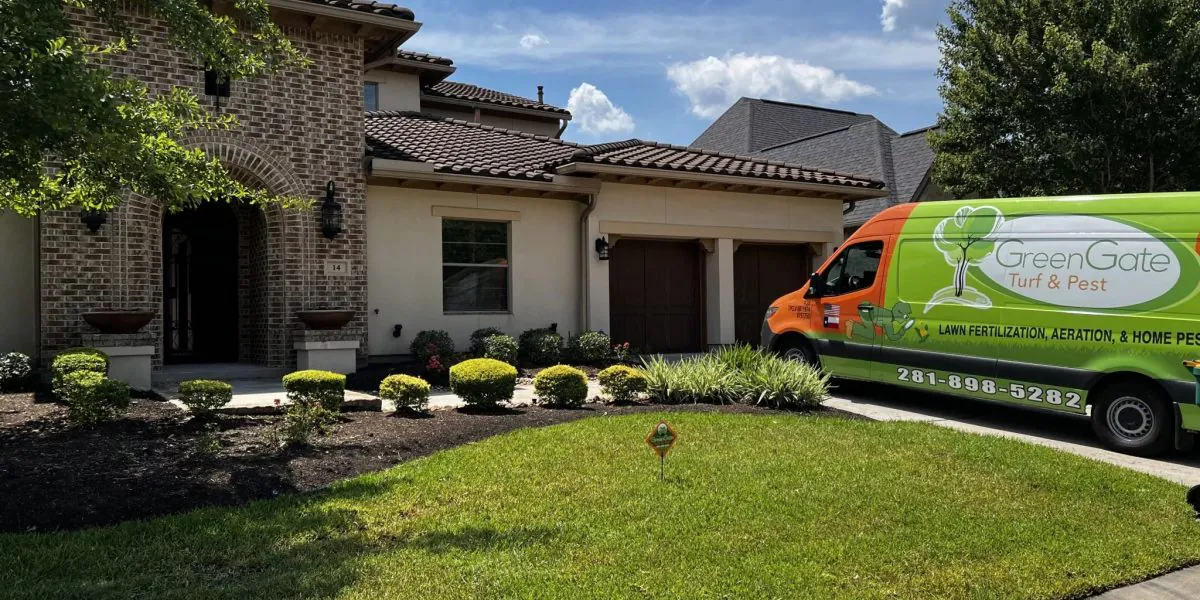
If compacted soil is holding your lawn back, GreenGate Turf & Pest can help. Our lawn aeration service is designed to open up the soil and give grass roots better access to the air, water, and nutrients they need for healthy growth.
We recommend scheduling lawn aeration in the spring and fall, when conditions are generally better for turf recovery. Our team can also evaluate your lawn and help determine whether aeration should be combined with other services, such as fertilization or lawn pest control, to address the specific needs of your yard.
Ready to give your lawn a stronger foundation? Contact GreenGate Turf & Pest to learn more about our lawn aeration services and find out how we can help your grass grow healthier and stronger.