

There’s nothing quite as frustrating as stepping out to admire your lush, green lawn, only to find unsightly patches of brown, dying grass. While many factors can contribute to lawn distress, for homeowners in Houston, Texas, a common culprit often goes unnoticed until it’s too late: chinch bugs. These tiny, yet destructive pests can wreak havoc on your turf, especially during our warm, humid summers. But don’t despair! With the right knowledge and timely action, you can effectively identify, treat, and prevent chinch bugs from turning your dream lawn into a nightmare.
What Are Chinch Bugs?
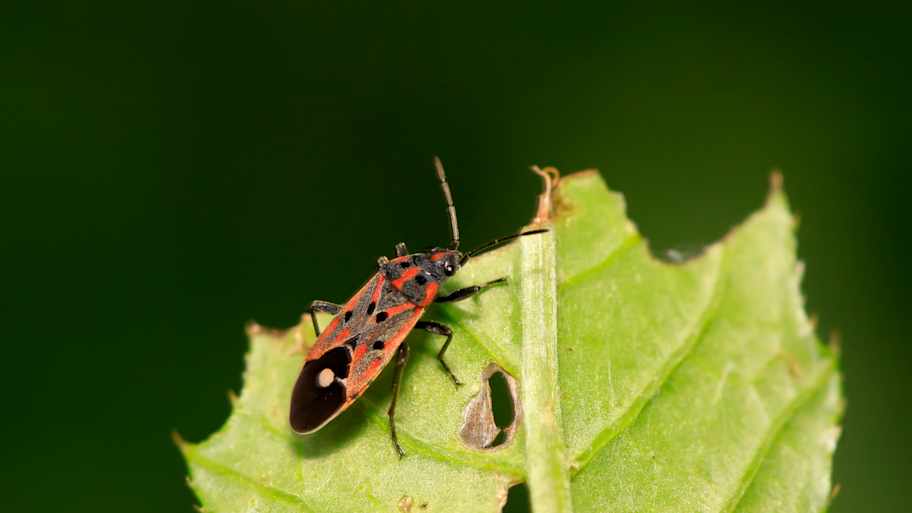

Photo: zhang yongxin / Adobe Stock via Angi
Before you can tackle a problem, you need to know your enemy. So, what exactly are chinch bugs?
- Small, Sap-Sucking Insects: They belong to the true bug family.
- Significant Lawn Damage: Notorious for causing damage, particularly to St. Augustine and Bermuda grass, which are common in Houston.
Identification of Chinch Bugs
Identifying chinch bugs can be tricky due to their small size.
- Adult Characteristics:
- Typically about 1/8 to 1/5 inch long.
- Black bodies.
- Distinctive white wings with a triangular black mark on their outer edge.
- Nymph (Immature) Characteristics:
- Even smaller than adults.
- Can range in color from bright red with a white band across their back to brownish-black as they mature.
Physical Characteristics: How to Spot Them
To spot them, try these methods:
- Visual Inspection:
- Get down on your hands and knees.
- Part the grass blades at the edge of a damaged area.
- Look closely at the base of the grass near the soil line (a magnifying glass may be helpful).
- “Can Test”:
- Cut both ends out of a coffee can.
- Push it into the soil in an affected area.
- Fill it with water.
- Chinch bugs will often float to the surface within a few minutes.
Life Cycle of Chinch Bugs
Chinch bugs go through three main life stages:
- Egg: Females lay eggs in grass sheaths or leaf folds.
- Nymph: Eggs hatch into nymphs, which go through several molts.
- Adult: Nymphs mature into adults.
- Rapid Reproduction: In warm climates like Houston, multiple generations can occur within a single year, leading to rapid population explosions if left unchecked. Understanding this life cycle is crucial for effective control.
Understanding Chinch Bug Damage
The most disheartening aspect of a chinch bug infestation is the visible chinch bug damage they inflict on your lawn.
Symptoms of Infestation
Chinch bug damage often mimics other lawn issues:
- Appearance: Irregular, spreading patches of yellowing, browning, and eventually dead grass.
- Location: Often start in sunny, hot areas, especially along sidewalks, driveways, or foundations.
- Distinguishing from Drought: Unlike drought-stressed grass, which perks up after watering, chinch bug-damaged areas will remain brown and brittle. The grass blades will often feel dry and straw-like.
Impact on Your Lawn
- Feeding Mechanism: Chinch bugs insert needle-like mouthparts into grass blades and suck out the plant’s sap.
- Toxic Saliva: As they feed, they inject a toxic saliva that disrupts the plant’s vascular system, preventing water and nutrient absorption.
- Consequences: This leads to characteristic browning and death of the grass. Without proper chinch bug treatment, an infestation can quickly spread, leading to significant portions of your lawn dying off, requiring costly reseeding or re-sodding.
Read more from Agrilife Extension on identification and control methods.
Effective Chinch Bug Treatments
Once you’ve confirmed the presence of chinch bugs in your lawn, it’s time to act. There are several effective chinch bug treatment options available.
Organic Control Methods
For environmentally friendly options, consider:
- Beneficial Nematodes:
- Microscopic roundworms that are natural predators of chinch bugs.
- Applied to the lawn with water.
- Seek out and kill chinch bugs.
- Insecticidal Soaps:
- Effective for direct contact killing, especially of nymphs.
- Require thorough coverage and repeat applications.
- Diatomaceous Earth (DE):
- Fine powder made from fossilized diatoms.
- When chinch bugs contact it, sharp edges abrade exoskeletons, causing dehydration and death.
- Apply when the lawn is dry.
- Cultural Practices: Maintaining a healthy lawn (as discussed in the prevention section) can also make it less hospitable to chinch bugs.
Chemical Control Options
For severe infestations or when organic methods aren’t sufficient, chemical chinch bug treatment options are available. Look for insecticides specifically labeled for chinch bugs on lawns. Common active ingredients include pyrethroids (e.g., bifenthrin, permethrin) or neonicotinoids (e.g., imidacloprid).
- Forms of Insecticides:
- Granular: Spread with a spreader and then watered in.
- Liquid: Concentrates mixed with water and applied with a sprayer.
- Application Guidelines:
- Always read and follow product label instructions carefully.
- Pay attention to application rates, safety precautions, and reapplication intervals.
- Note warnings regarding pets, children, and local waterways.
- Professional Help: If unsure about applying chemical treatments or if the infestation is widespread, consider contacting a professional pest control service.
Prevention Strategies for Chinch Bugs
The best defense against chinch bugs is a good offense. Implementing proactive prevention strategies can significantly reduce your risk of infestation and keep your lawn healthy and resilient.
Maintaining Lawn Health
A strong, healthy lawn is naturally more resistant to pest infestations.
- Proper Watering:
- Water deeply and infrequently to encourage deep root growth.
- In Houston’s climate, water early in the morning to allow grass to dry, reducing fungal issues, but ensuring sufficient moisture penetration.
- Appropriate Mowing Height:
- Mow at the recommended height for your turf type (e.g., 2-3 inches for Bermuda, 3-4 inches for St. Augustine).
- Taller grass provides more shade to the soil, keeping it cooler and less appealing to chinch bugs, and promotes a stronger root system.
- Balanced Fertilization: Follow a balanced fertilization program to provide your lawn with the nutrients it needs to thrive. Healthy grass can better withstand pest pressure.
- Aeration and Dethatching:
- Regularly aerating your lawn helps alleviate soil compaction, improving air and water penetration.
- Dethatching removes excessive thatch buildup, which can provide a haven for chinch bugs. GreenGate’s liquid dethatcher works to break down thatch to be used as food for your lawn!
Environmental Modifications
Making a few adjustments to your lawn’s environment can also deter chinch bugs:
- Reduce Thatch: A thick thatch layer (the layer of dead and living organic matter between the soil surface and the green grass blades) provides an ideal breeding ground and protective cover for chinch bugs. Regular dethatching can help.
- Address Soil Compaction: Compacted soil stresses grass, making it more vulnerable. Aeration is key to improving soil structure.
- Choose Resistant Varieties: If you’re planning to re-sod, consider grass varieties that are known to have some resistance to chinch bugs, such as Empire Zoysia grass.
Conclusion
Dealing with chinch bugs can be a challenge, but with the proven strategies outlined above, you can protect your lawn and restore its beauty. From understanding what chinch bugs are and recognizing chinch bug damage to implementing effective chinch bug treatment and robust prevention methods, you now have the tools to fight back. Remember, a proactive approach and consistent lawn care are your best allies in maintaining a vibrant, healthy lawn that you can enjoy year-round.
Ready to reclaim your lawn from chinch bugs? Explore our effective insecticide solutions or get a personalized quote for professional chinch bug control today!