
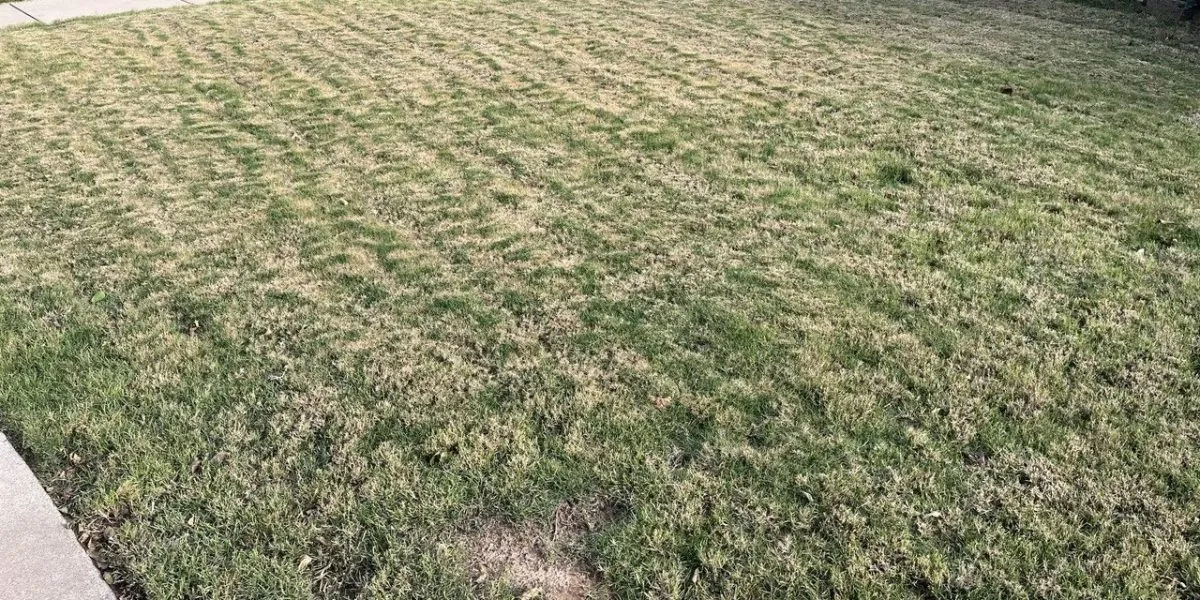
If you’ve lived in Houston long enough, you know our seasons don’t always follow the rules. We can swing from 80 degrees to freezing within a single week, and our lawns feel the impact. So when your grass starts turning brown, thin, or crunchy, the big question becomes: Is it dormant grass—or is it dead?
Understanding dormant grass vs dead grass is one of the most important parts of proper lawn care, especially for warm-season turf like Bermuda, St. Augustine, and Zoysia. At GreenGate Turf & Pest, we spend every winter helping homeowners figure out what’s normal and what’s not—because the signs can be confusing, especially in our unpredictable Gulf Coast climate.
This guide will help you understand dormancy, identify what kind of grass you’re dealing with, recognize warning signs, and know when it’s time to contact professional lawn care services for help.
What Exactly Is Dormant Grass?
Dormancy is your lawn’s natural survival mode. When temperatures drop, daylight shortens, or moisture becomes limited, warm-season grasses slow down their growth to preserve energy. During this time, they commonly turn brown or straw-colored—even though they’re still alive underneath.
Think of dormancy like hibernation. The plant isn’t dying; it’s resting.
What Dormancy Does NOT Mean
Dormant grass:
- It is not actively growing
- Does not respond quickly to water
- May look dry or brittle
- May thin out slightly
But despite all that, dormant grass still has living crowns and roots. That’s the key difference between dormant grass vs dead grass.
Dormant Grass vs Dead Grass: How to Tell the Difference
Telling the two apart can be surprisingly tricky, especially when a cold snap or lawn disease suddenly changes how your yard looks. But with a few simple tests, you can figure out what’s really going on beneath the surface.
1. The Tug Test
Gently pull up a handful of grass.
- Dormant grass resists and stays rooted.
- Dead grass pulls up easily, often with no resistance.
This is one of the simplest, most reliable tests.
2. Color Pattern
Dormant grass typically turns brown uniformly. However, the start of dormancy can be a bit misleading due to the possibility of some irregular patches.
Dead grass usually develops:
- Patchy areas
- Irregular patterns
- Spots that appear suddenly
Uniform color changes almost always indicate dormancy.
3. Moisture Response
Dormant grass will not perk up or regain green color just because it’s watered.
Dead grass remains brittle and lifeless—even when wet.
4. Crown Check
At the base of the grass blade, right where it meets the soil, you’ll find the crown.
Pull a blade and inspect it:
- White or cream-colored crown: The grass is dormant.
- Brown, black, mushy, or dry crown: The grass is dead.
5. Spring Green-Up Check
If spring arrives and your grass still isn’t greening up… it was probably dead the whole time.
But don’t worry—GreenGate Turf & Pest’s lawn care services can help restore dead patches with new runners, correct soil conditions, and prevent future damage.
When Does Bermuda Grass Go Dormant?

A common question we hear is “When does Bermuda grass go dormant?”
Bermuda grass is one of the first warm-season grasses to go into full dormancy. In Houston, this typically happens:
- When temperatures drop below 55°F consistently
- Usually between late November and mid-December
- Faster during sudden cold snaps
Bermuda lawns turn a uniform tan color across the entire property. This is completely normal and expected.
If you see patchy brown areas in Bermuda during warm months, that’s a sign of disease or insect activity—not dormancy.
Does St. Augustine Grass Go Dormant?

Yes—St. Augustine grass does go dormant, but not quite as dramatically as Bermuda.
St. Augustine usually:
- Fades to a dull olive or brownish-green
- Thins out but doesn’t turn fully straw-colored
- Has partial dormancy rather than full dormancy
Because it doesn’t turn fully brown like Bermuda, homeowners often wonder if something’s wrong. Most of the time, this is just a natural winter slowdown.
However, cold weather + damp conditions sometimes trigger fungal problems in St. Augustine, especially brown patch. If you see circular patches, soft grass, or a musty smell, you may be dealing with fungus—not dormancy.
Our professional lawn care services diagnose these issues accurately so small problems don’t become expensive repairs.
Dormant Zoysia Grass: What to Expect
Zoysia grass behaves somewhere between Bermuda and St. Augustine. Dormant Zoysia grass:
- Turns golden tan or light brown
- Holds its color longer into winter
- Often looks the best out of the three warm-season grasses during transition
Zoysia is slow to wake up in spring—sometimes up to a month later than Bermuda—so don’t panic if your neighbor’s lawn greens up before yours does.
If your zoysia grass has brown spots in summer, that is definitely not dormancy. Zoysia can be more susceptible to fungal issues and is slow to recover without treatment.
How to Tell if Grass Is Dead or Dormant (Quick Checklist)
Here’s a fast, easy guide you can use anytime:
Dormant Grass
✔ Uniform tan color
✔ Crown is white or cream
✔ Roots hold firmly
✔ No foul smell
✔ Gradually greens up in spring
Dead Grass
✘ Patchy or irregular color
✘ Pulls up easily
✘ Crown is dark or dried out
✘ Looks matted, rotten, or crumbly
✘ Doesn’t green up with warmer weather
Still unsure? Our lawn services specialists can inspect your turf and pinpoint the cause in minutes.
Why Grass Dies in Winter (Even Though It’s Cold)
Many homeowners are surprised to learn that grass can die in winter, not just summer. Causes include:
- Freeze damage
- Lawn fungus (more common in Houston’s humid winters)
- Chinch bugs lingering into fall
- Heavy leaf or debris buildup
- Overwatering
- Scalp mowing before cold weather
- Soil compaction
- Improper irrigation schedules
Warm-season grasses are hardy, but they’re not invincible. Skipping winter lawn care can lead to long-term damage that isn’t visible until spring.
Caring for Dormant Grass in Houston
Dormant grass still needs some basic care. Here’s how to protect your lawn through winter:
1. Continue Mowing (But Less Often)
Dormant grass doesn’t grow much, but winter weeds do. Light, regular mowing:
- Keeps weeds down
- Improves airflow by removing debris build-up
- Reduces disease risk
- Helps sunlight reach the crown
This is one of the best ways to prepare for a healthy spring green-up.
2. Don’t Overwater
Because Houston winters are typically humid and moist, most lawns need very little irrigation. Too much water encourages fungus, especially in St. Augustine. In fact, we recommend winterizing your backflow preventer and shutting your sprinkler system down completely.
3. Keep Leaves Off the Lawn
A thick leaf layer can:
- Suffocate dormant grass
- Trap moisture
- Invite pests
- Encourage fungus
Mulching or blowing leaves regularly helps your yard breathe.
4. Avoid Heavy Traffic
Dormant grass can’t repair itself. Repeated foot traffic, dog paths, or vehicles can crush crowns and cause spring die-off or thinning.
5. Let Professional Lawn Care Services Handle Winter Treatment
Dormancy may be natural, but it’s also a period when disease, insects, and poor soil conditions can create long-term damage. Professional monitoring prevents problems before they spread.
GreenGate Turf & Pest uses Houston-specific treatment plans designed to support warm-season grass health year-round.
6. Consider Lawn Pigmentation for a Green Winter Lawn
If you want your yard to stay green through winter—even while the grass is fully dormant—lawn pigmentation is a fantastic option. Pigmentation is a professional turf-safe colorant applied directly to dormant grass to give it a rich, natural green color without affecting the plant’s health.
Unlike spray paint or artificial coloration methods, modern lawn pigments are:
- UV resistant
- Environmentally safe
- Non-toxic for pets and kids
- Designed to bond to grass blades without smearing or washing off
Pigmented lawns typically stay green for 8–12 weeks, depending on weather conditions. This means Houston homeowners can keep curb appeal strong all winter long while the turf remains safely dormant beneath the surface.
Pigmentation is especially beneficial for:
- Homeowners who want a picture-perfect lawn year-round
- HOAs or properties where appearance matters
- Event hosting – Wow your visitors with a green lawn all winter!
GreenGate Turf & Pest offers professional pigmentation services that create a natural, vibrant green color—not the artificial “spray-paint green” you may have seen in DIY attempts. It’s a great way to maintain a beautiful lawn all winter long while keeping maintenance low and avoiding unnecessary winter lawn stress.
Dormant Grass Isn’t Dead — But It Still Needs Care
In Houston, it’s completely normal for lawns to turn brown in winter. Dormancy protects the plant and helps it survive until temperatures warm up again. But that doesn’t mean every brown patch is harmless.
If you’re unsure whether you’re dealing with dormant grass vs dead grass, our experts can help you determine what’s really going on—and what your lawn needs to bounce back strong in spring.
GreenGate Turf & Pest: Houston’s Trusted Lawn Experts
Whether you’re trying to determine how to tell if grass is dead or dormant, need help diagnosing brown spots, or want year-round care for Bermuda, St. Augustine, or Zoysia lawns, GreenGate Turf & Pest has you covered.
Our professional lawn care services are designed specifically for Houston’s unique climate, soils, and warm-season grasses.
From winter turf management to spring recovery and everything in between—we’re here to keep your lawn healthy, vibrant, and protected all year long.
Have Questions About Your Lawn? We’re Here to Help.
Contact GreenGate Turf & Pest today for expert lawn care, turf diagnosis, or a customized plan for your yard. We make lawn care easy—no matter the season.