Poa Annua in The Lawn: What to Know About This Pesky Winter Weed
by:
GreenGate Turf, Pest, & Irrigation
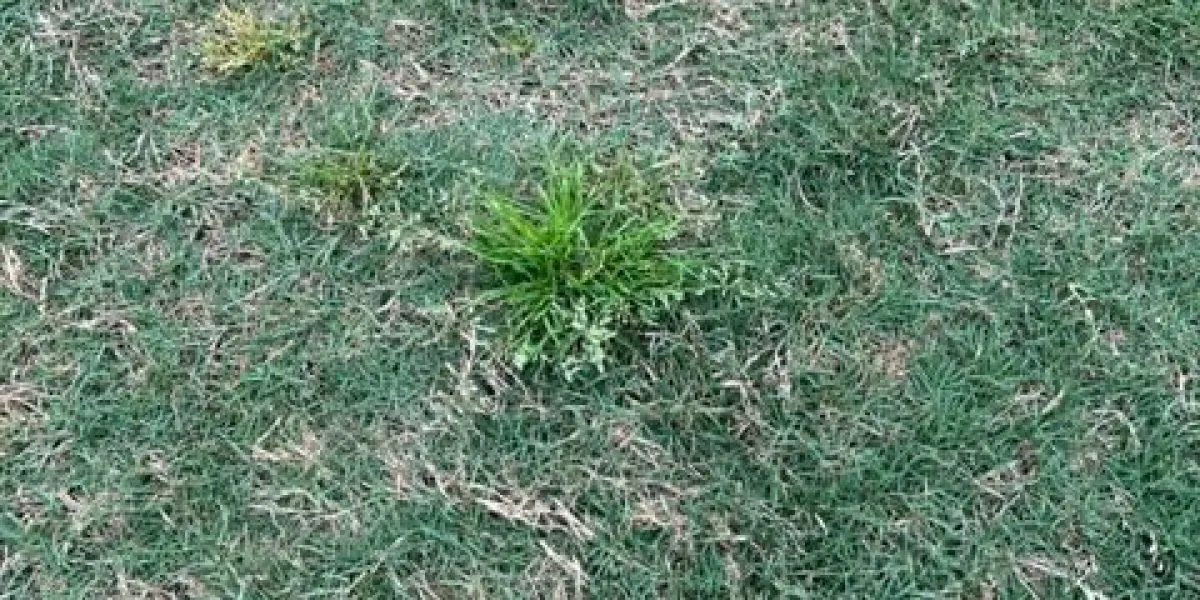
If you’ve ever walked outside in the winter and spotted bright green patches popping up in your lawn while everything else is dormant, congratulations—you’ve met poa annua. Also called annual poa weed, this sneaky little plant loves making itself at home in Houston yards during cooler months. And while it may look soft and harmless, poa can quickly become one of the most frustrating winter weeds homeowners face.
Let’s break down what poa is, why it thrives in Houston winters, the answer to the common question “do weeds die in the winter?”, and your best options for a weed killer for poa.
Poa annua (pronounced “po-uh ann-you-uh”) is a cool-season grass weed that grows during fall, winter, and early spring. It’s called annual poa weed because each plant usually lives only a single season. But here’s the catch: before dying, poa produces thousands of seeds that remain in the soil, ready to sprout the following fall. So even though the individual plants die, the problem can return year after year if left unchecked.
Why Poa Annua Loves Houston
You might think Houston’s heat would keep weeds away—but poa annua thrives in mild Gulf Coast winters. Here’s why:
Cool, moist winters give poa the perfect growing conditions.
Shady or overwatered areas allow it to spread quickly.
Dormant warm-season grasses like St. Augustine and Bermuda leave open space that poa fills.
So while your lawn takes a winter nap, poa is busy germinating, growing, and spreading its seeds.
Do Weeds Die in the Winter?
For some weeds, the answer is yes—many will slow growth or die back during cold weather. But for poa annua and other winter-adapted weeds, the answer is usually no. In fact, poa grows best in Houston winters when warm-season grasses are dormant. While poa plants eventually die once summer heat returns, the seeds left behind can create even larger infestations the following winter.
This means simply waiting for winter to “kill” weeds like poa usually doesn’t solve the problem. Proactive control is key.
Why Poa Annua Is So Hard to Control
Poa is persistent for several reasons:
It germinates in waves, not all at once.
It produces massive numbers of seeds, which survive in the soil for years.
It blends in with grass, making early detection difficult.
It grows low to the ground, so mowing doesn’t remove it.
Because of this, preventing poa is more effective than trying to treat it after it appears.
The Best Weed Killer for Poa Annua
1. Pre-Emergent Herbicides (Your First Line of Defense)
The most effective weed killer for poa is actually a pre-emergent herbicide. Applied in early fall (typically September to November in Houston), it prevents poa seeds from sprouting in the first place. Pre-emergents dramatically reduce winter infestations and make your lawn easier to maintain through winter and spring.
2. Post-Emergent Herbicides
If poa is already making your lawn its home, post-emergent herbicides can help control it. These selective products target poa weed without harming most warm-season grasses. Keep in mind:
Mature plants may require multiple applications.
Post-emergent treatments reduce the spread but rarely eliminate all plants.
Shady or damp areas may need repeated treatments to be fully effective.
Tips to Prevent Poa Annua
A healthy, dense lawn is your best defense against poa. Key strategies include:
Mowing at the proper height for your grass type
Balanced fertilization throughout the year
Proper irrigation—avoid overwatering
Aeration to reduce soil compaction
Timely fall pre-emergent treatments
The stronger and fuller your grass, the fewer opportunities poa has to take over.
Final Thoughts
Poa annua may seem unstoppable, but with the right strategy, you can keep it under control. Remember: This weed will not die in the winter. Winter is when poa thrives, and ignoring it often leads to bigger problems the next season. Preventive care, combined with targeted treatments, is the key to a healthier, poa-free lawn.