
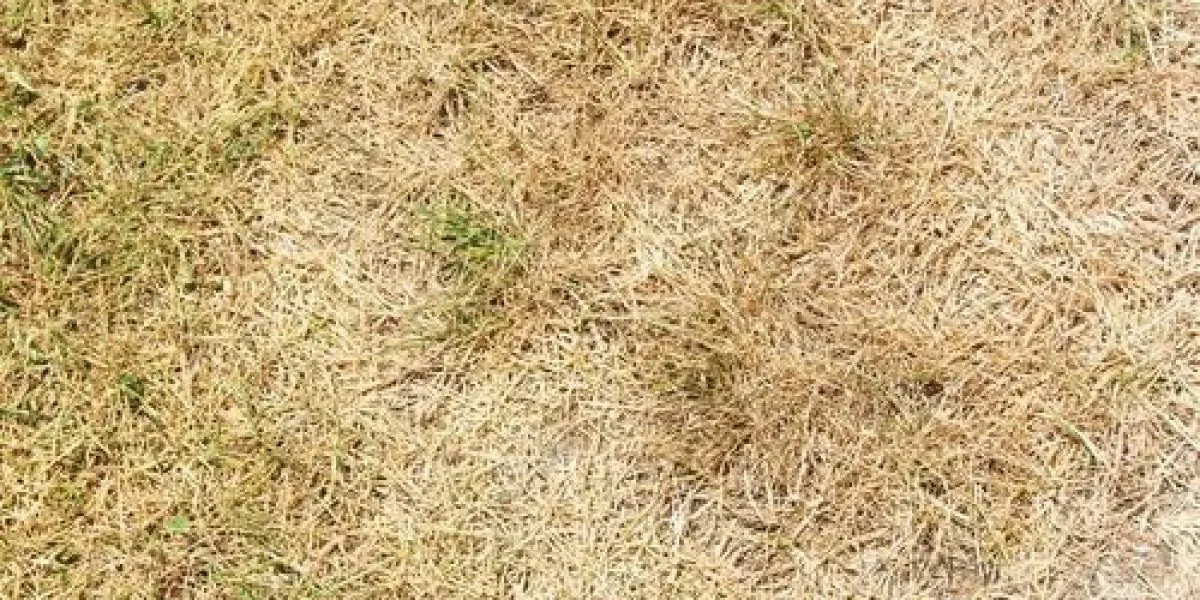
If your lawn looks worse right now than it did a few months ago, you’re not imagining things—and you’re definitely not alone. Late winter is one of the most confusing times of year for homeowners. Grass looks thin or discolored, weeds seem to be popping up everywhere, and bare or damaged spots suddenly feel impossible to ignore.
The good news? This doesn’t mean your lawn is dying. In most cases, it’s reacting exactly how lawns tend to react during the late winter lawn care season, especially here in Houston. More importantly, what you do right now can determine whether your lawn thrives in spring—or struggles for months.
Let’s break down why lawns look rough in late winter and what you should be doing before spring arrives.
Why Late Winter Is So Hard on Your Lawn
Late winter is a transition period. Temperatures fluctuate, daylight increases, and soil activity begins waking up—even though your grass may still look dormant. During this time, multiple stressors overlap, making lawns appear worse before they get better.
Dormant Grass Can’t Hide Problems Anymore
During the growing season, thick turf can hide thinning areas, mild pest damage, and early weed pressure. In winter, grass growth slows or stops entirely, so every flaw becomes visible.
Warm-season grasses like Bermuda and St. Augustine naturally go dormant, but dormancy doesn’t mean recovery. Any stress from the previous year—drought, disease, insects, or poor nutrition—tends to show up clearly during lawn care late winter months.
Winter Weeds Are Thriving While Your Grass Sleeps
One of the biggest reasons lawns look worse right now is winter weeds. While turfgrass growth slows in cooler temperatures, weeds continue to germinate and grow.

Many Houston homeowners are surprised to learn that weeds don’t stop in winter. In fact, new weeds can germinate every 4–6 weeks, even during colder months.
Common winter weeds include:
- Poa annua (annual bluegrass)
- Chickweed
- Henbit
- Clover
If winter weed control is skipped, these weeds mature by late winter and aggressively compete with your lawn as spring approaches. You can learn more about why this happens in our guide on why your lawn still gets winter weeds.
Soil Compaction and Root Stress Become Obvious
Late winter is often when underlying soil issues finally show themselves. Winter rain, foot traffic, and equipment use can compact soil, limiting airflow and nutrient absorption.
Compacted soil weakens root systems and makes it harder for grass to bounce back in spring. That’s why late winter early spring lawn care focuses heavily on soil health and root support—not just surface appearance.
Lawn Pests Don’t Disappear in Cold Weather
Another common misconception is that winter cold kills off lawn pests. In reality, many pests simply slow down or move deeper into the soil.
In Houston, pests like:
- Chinch bugs
- Grubs
- Fire ants
- Sod webworms
The pests can remain active year-round. Damage that started months earlier often becomes noticeable in late winter when the turf is stressed and thin.
For a deeper look at what pests are active during cooler months, check out winter lawn pests in Houston.

Skipping Winter Lawn Care Creates Spring Problems
One of the biggest mistakes homeowners make is stopping treatments during winter. While grass growth slows, weeds and pests do not.
Skipping winter lawn care often leads to:
- Heavy weed infestations in early spring
- Weak turf that struggles to green up
- Increased pest damage once temperatures rise
By the time spring arrives, lawns that weren’t treated during winter are already playing catch-up.
What You Should Be Doing Now Before Spring
The goal of lawn care during winter isn’t instant green-up—it’s prevention. What you do now determines how smoothly your lawn transitions into spring.
Apply Pre-Emergents
Pre-emergent weed control is one of the most important steps in late winter lawn care. These treatments stop weed seeds from germinating before they ever break the surface.
When applied at the right times during winter, pre-emergents:
- Reduce spring weed outbreaks
- Prevent bare spots caused by weed die-off
- Give turfgrass room to grow once it wakes up
This proactive approach is far more effective than reacting to weeds later.
Control Existing Winter Weeds
While pre-emergents prevent new weeds, existing weeds need to be addressed with targeted post-emergent treatments. Late winter is an ideal time to reduce current weed pressure so weeds don’t spread or drop seed.
Combined with pre-emergents, this creates a cleaner, healthier lawn going into spring.
Support Soil and Root Health
Healthy lawns start underground. Late winter treatments help strengthen root systems and prepare turf for the upcoming growing season.
If certain areas of your lawn stay thin year after year, winter is the time to address the cause—not just the symptoms.
Stay Ahead of Lawn Pests
Preventative pest control during winter helps stop populations from exploding in spring. Treating proactively can protect roots and turf before visible damage occurs.
Once pests are obvious, recovery becomes much more difficult.
Why Year-Round Lawn Care Works Best in Houston
Houston lawns don’t experience true shutdowns like northern lawns. Mild winters mean weeds, insects, and soil activity continue year-round.
That’s why GreenGate Turf & Pest provides eight treatments per year, including winter applications. During the dormant season, we focus on:
- Pre-emergent weed control
- Targeted winter weed treatments
- Pest prevention
- Soil and turf health support
You can learn more about our approach and what we are currently doing to get ahead of the game for our customers’ lawns in our newsletter.
What to Expect as Spring Approaches
If your lawn looks rough right now, don’t panic. Late winter is simply when issues become visible.

With proper late winter early spring lawn care, you can expect:
- Fewer weeds as temperatures rise
- Stronger turf response in early spring
- Thicker, healthier grass throughout the growing season
The lawns that look best in spring are the ones that were cared for during winter. If your lawn looks worse right now, waiting won’t fix it—but the right plan will.
GreenGate Turf & Pest specializes in year-round lawn care designed specifically for Houston lawns. From winter weed prevention to pest control and seasonal treatments, we help homeowners protect their lawns before spring problems take over.
Contact GreenGate Turf & Pest today to schedule your service or learn more about our customized lawn care programs. Your spring lawn starts with what you do right now.