
When Do Wasps Start Building Nests in Houston?
If you’ve lived in Southeast Texas for any length of time, you already know that wasps in Houston are more than just a nuisance. They show up fast, build quickly, and can turn a quiet backyard into a place you avoid. One of the most common questions homeowners ask is simple: when do wasps start building nests?
The short answer is early spring. But there’s a lot more to it than that, especially in a climate like Houston, where mild winters and long summers give pests a head start.
Understanding when wasps become active, what species you’re dealing with, and how to stop them early can save you from a much bigger problem later in the season.
When Do Wasps Start Building Nests?
In Houston, wasps typically begin building nests as early as late February through April. The exact timing depends on how warm the winter has been, but once temperatures consistently stay above 60 degrees, activity ramps up quickly.
The process starts with a single fertilized queen that survived the winter. She emerges, finds a suitable place to build, and starts constructing a small nest. At this stage, the nest may only be the size of a golf ball and easy to miss.
Within a few weeks, that small nest can turn into a full colony with dozens or even hundreds of wasps.
By early summer, nests are well established. By late summer, populations peak, and that’s when most homeowners start noticing increased aggression and activity.
Why Wasps Are So Active in Houston
Houston’s climate plays a big role in wasp behavior. Warm temperatures, high humidity, and plenty of shelter options create the perfect environment for rapid nest development.
Unlike colder regions where wasp activity is limited to a shorter window, wasps in Houston have a longer active season. That means:
- Earlier nest building in spring
- Faster colony growth
- Longer periods of activity into fall
Because of this extended season, prevention and early detection are especially important.
Common Types of Wasps in Houston
Not all wasps behave the same way. Knowing what you’re dealing with can help you understand the level of risk and the best approach to control.
Paper Wasp

The paper wasp is one of the most common species you’ll see around homes. They build umbrella-shaped nests under eaves, patios, and overhangs. While generally less aggressive than other species, they will sting if they feel threatened.
Red Paper Wasp
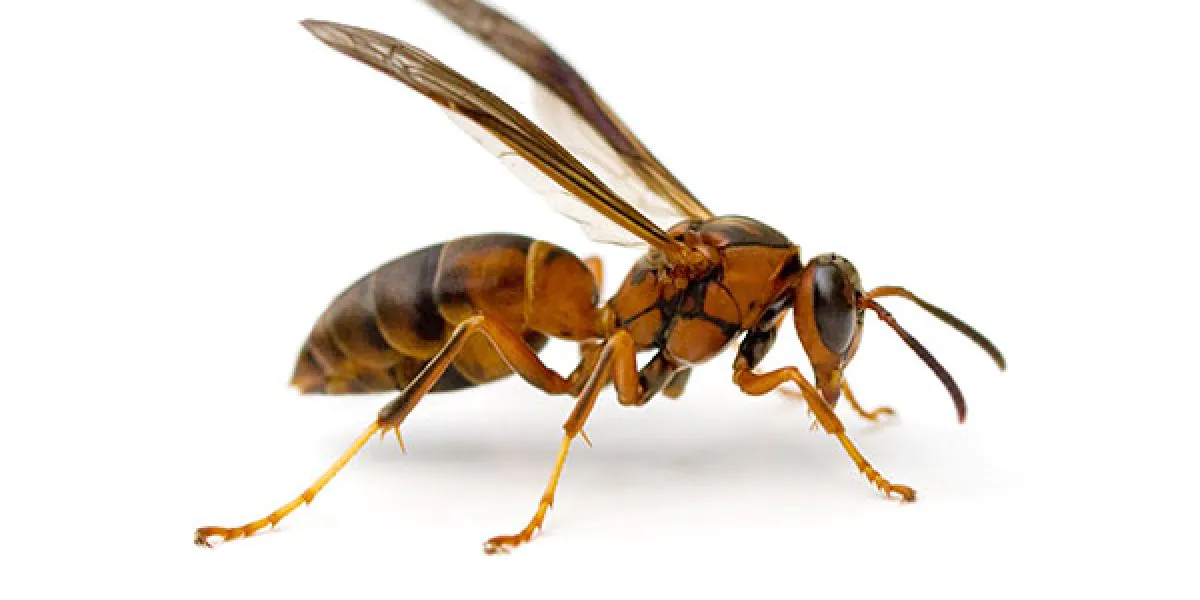
A more aggressive variation, the red paper wasp is easily recognized by its reddish color. These are common throughout Houston and are known to defend their nests more aggressively than other paper wasp species.
Yellowjackets
Yellowjackets are among the most aggressive wasps in the area. They often build nests underground or inside wall voids, making them harder to detect. They are highly territorial and more likely to sting unprovoked.
Mud Daubers
Mud daubers are typically less aggressive and build tube-shaped nests made of mud. You’ll often find them on walls, ceilings, and garages. While they can look intimidating, they rarely sting.
Cicada Killers

Cicada killers are large, intimidating wasps that nest in the ground. Despite their size, they are generally not aggressive toward humans. However, their burrowing can damage lawns and create unsightly areas.
Where Wasps Build Nests Around Your Home
Wasps are opportunistic builders and will choose locations that provide shelter and protection. Common nesting spots include:
- Roof eaves and soffits
- Porch ceilings and patio covers
- Garages and sheds
- Fence lines and deck rails
- Bushes and tree branches
- Underground areas or wall voids (especially for yellowjackets)
Because early nests are small, they’re easy to overlook. Regular inspections in these areas during early spring can make a big difference.
Early Signs of Wasp Activity
Catching a nest early is the key to avoiding a larger infestation. Here are a few signs to watch for:
- A single wasp repeatedly flying to the same spot
- Small, newly formed nests under eaves
- Increased wasp presence around your home
- Visible mud tubes or ground holes
If you notice these signs in early spring, it’s a good indication that nest building has already started.
How to Prevent Wasp Nests
If you’re wondering how to prevent wasp nests, the answer comes down to consistency and timing. The earlier you act, the better your results.
Here are some effective prevention tips:
Inspect Early and Often
Start checking your home in late winter and early spring. Look for small nests and remove them before they grow.
Eliminate Food Sources
Keep trash cans sealed, clean up outdoor food, and avoid leaving sugary drinks outside. Wasps are attracted to easy food sources.
Seal Entry Points
Close gaps and cracks around your home to prevent wasps from nesting in wall voids or attics.
Keep Landscaping Maintained
Trim bushes and trees to reduce sheltered nesting areas.
Use Preventative Treatments
Applying treatments in early spring can deter wasps from building nests in the first place.
Why Early Treatment Matters
Timing is everything when it comes to wasp control. Treating early in the season, when nests are small and populations are low, is far more effective than trying to eliminate a fully established colony later.
Once a nest grows, it becomes more dangerous to handle and significantly more difficult to remove without professional help.
DIY vs Professional Wasp Control
Some homeowners attempt to remove nests on their own, but this can be risky, especially with aggressive species like yellowjackets or red paper wasp colonies.
DIY methods often fall short because:
- They don’t address hidden nests
- They can provoke aggressive behavior
- They may not fully eliminate the colony
That’s why many homeowners turn to wasp control services in Houston for safer and more reliable results.
Professional Wasp Removal in Houston
When nests are already established or located in hard-to-reach areas, professional wasp removal in Houston is the safest option.
A trained technician can:
- Identify the species and nesting behavior
- Locate hidden or hard-to-see nests
- Use targeted treatments to eliminate colonies
- Apply preventative solutions to stop future activity
This approach not only solves the current problem but also helps protect your home throughout the season.
Final Thoughts: Stay Ahead of Wasp Season
So, when do wasps start building nests in Houston? Earlier than most people expect. By the time you start seeing heavy activity in summer, nests have already been developing for weeks or even months.
The key to avoiding problems is early awareness and proactive prevention. Keep an eye out in late winter and early spring, take steps to reduce attractants, and don’t hesitate to act if you notice activity.
Keep Your Yard Wasp-Free This Season
If you’re already seeing wasps around your home or want to stop nests before they start, GreenGate Turf & Pest is here to help. Our team specializes in wasp control services in Houston, using safe and effective treatments tailored to your property.
Reach out today to schedule your service and enjoy your outdoor space without the worry of wasps.