7 Reasons Your Lawn Is Slow to Wake Up This Spring
by:
GreenGate Turf, Pest, & Irrigation
If you’ve been looking at your yard lately and wondering, “why is my grass not green yet?”—you’re not alone.
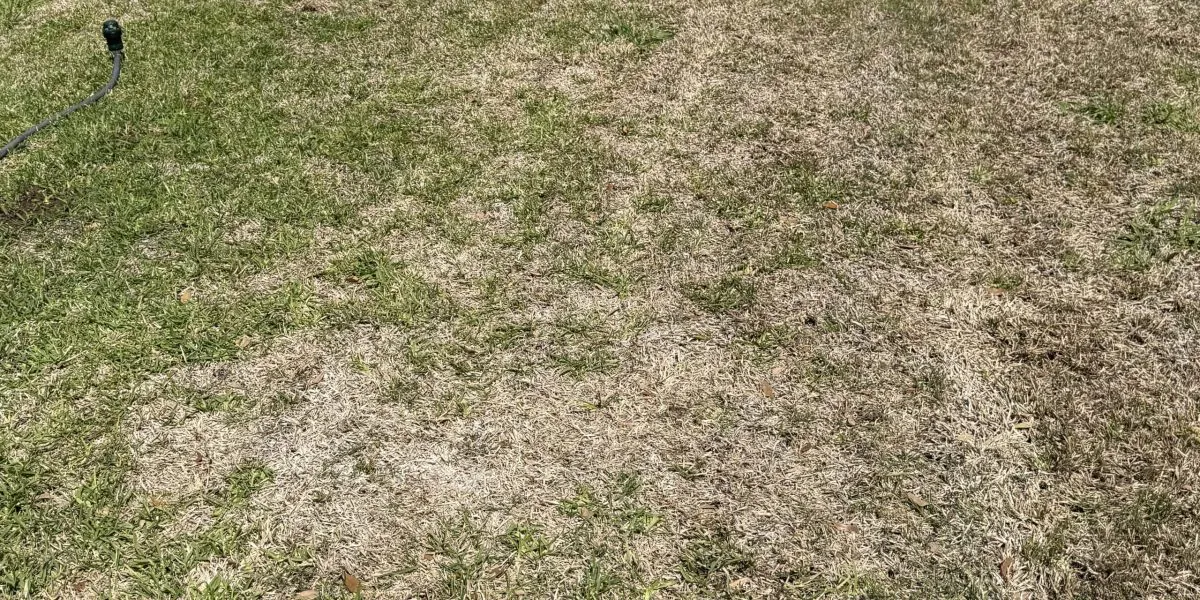
Across Houston, many homeowners are seeing lawns that still look brown, patchy, or uneven as we come out of winter. The good news? In most cases, this is completely normal.
Understanding how dormant grass transitions into active growth can help set the right expectations—and guide you toward the right next steps.
Warm-season grasses like St. Augustine and Bermuda go dormant during the cooler months. Even with warmer days, your lawn may not fully wake up until conditions are consistently right.
In early spring lawn care, patience is key—green-up happens gradually, not overnight.
🌡️ 2. Soil Temperatures Are Still Catching Up
Your grass doesn’t respond to air temperature—it responds to soil temperature.
Until soil temperatures stay consistently in the 65–70°F range, growth will be slow. This is one of the most common reasons people search “why is my grass not green” this time of year.
☀️ 3. Some Areas Get More Sun Than Others
Uneven green-up is extremely common.
Full sun areas green up first
Shaded spots lag behind
Areas near fences or trees take longer
If your lawn looks patchy, it doesn’t necessarily mean something is wrong—it’s just part of the natural transition.
One of the most overlooked lawn care tips in early spring is to gradually reintroduce watering based on need—not on a fixed schedule.
Watch for signs like:
Dull or grayish color
Footprints that linger
Slight wilting
🌾 5. Winter Debris Is Holding It Back
A layer of dead grass, leaves, or thatch can slow everything down.
This buildup:
Blocks sunlight
Slows soil warming
Prevents new growth from pushing through
A light cleanup or first mow can make a noticeable difference in how your lawn looks.
🐛 6. Early Pest Activity May Be Starting
In Houston, pest pressure ramps up quickly.
Insects like chinch bugs or sod webworms can begin feeding early, especially in stressed areas. If parts of your lawn look thin or struggle more than others, this could be a factor.
This is where working with a lawn care service can help identify issues early before they spread.
🌿 7. Your Lawn May Need Nutrients
A healthy green lawn needs the right nutrients at the right time.
If your lawn didn’t receive proper pre-season treatment, it may take longer to green up—or may do so unevenly.
Professional lawn services often focus on timed applications that support strong, even growth throughout the season.
When Should You Be Concerned?
While slow green-up is normal, you may want to take a closer look if:
Large areas are still completely brown later in spring
Grass pulls up easily from the soil
You notice signs of pests or disease
The Bottom Line
If you’re asking, “why is my grass not green?”—the answer is usually a combination of timing, temperature, and early-season conditions.
The transition from dormant grass to a fully green lawn takes time, especially with Houston’s unpredictable spring weather.
Looking for Help With Your Lawn This Spring?
At GreenGate Turf & Pest, we specialize in lawn care Houston homeowners can rely on. Our team understands the unique challenges of our local climate and provides tailored local lawn care services to help your lawn green up faster—and stay healthy all season long.