
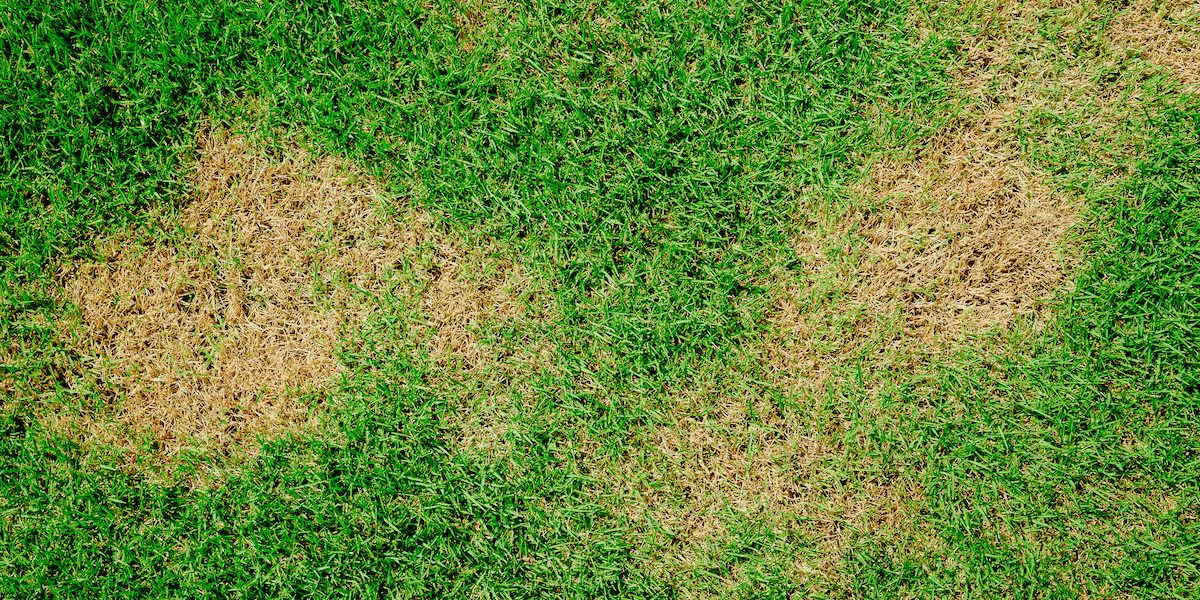
A healthy lawn can quickly turn patchy, thin, and stressed when turf pests move in. One of the most common culprits during the warmer months in Texas is sod webworms. These destructive lawn pests often go unnoticed until visible damage has already spread across the yard.
At GreenGate Turf & Pest, we regularly help homeowners identify and treat sod webworms in Houston and surrounding areas before serious turf loss occurs. Understanding the signs of infestation, what causes damage, and how professional sod webworm treatment works can help protect your lawn and keep it healthy year-round.
What Are Sod Webworms?
Sod webworms are the larval stage of lawn moths. While the adult moths themselves do not damage turfgrass, their larvae feed on grass blades and create noticeable lawn deterioration. These pests are especially active during warm weather and are commonly found in stressed or weakened lawns.
Adult moths are often seen fluttering low across the lawn during the evening hours. While they may appear harmless, their presence can indicate that eggs have already been laid within the turf. Once the larvae hatch, they begin feeding on grass blades and organic matter near the soil surface.
Because sod webworms feed at night and hide during the day, many homeowners do not realize there is a problem until the lawn begins to thin out or develop irregular brown patches.

Signs of Sod Webworms in Lawn Areas
Early detection is important when dealing with sod webworms in lawn environments. Catching an infestation early can prevent widespread turf damage and reduce recovery time.
Some of the most common signs include:
Thin Turf and Brown Patches
One of the first noticeable symptoms is thin turf that appears dry or drought-stressed even when the lawn is receiving adequate water. Grass may begin to lose density and develop uneven brown areas throughout the yard.
Unlike fungal diseases, sod webworm damage often appears scattered and irregular rather than circular.
Chewed Grass Blades
If you closely inspect affected areas, you may notice grass blades that appear ragged or chewed near the tips. This feeding damage is caused by larvae actively consuming the grass overnight.
Increased Bird Activity
Birds feeding aggressively in certain areas of the lawn can sometimes indicate an insect problem beneath the surface. Birds often search for sod webworms and other turf pests as a food source.
Small Moths Flying at Dusk
Seeing small tan or gray moths hovering just above the lawn during the evening is another common warning sign. These adult moths are frequently associated with sod webworms in Houston lawns.
Why Sod Webworms Are Common in Houston
Houston’s warm climate creates ideal conditions for turf pests to thrive. Long periods of heat combined with humidity can stress lawns and make them more vulnerable to insect activity.
Sod webworms in Houston are especially common during late spring, summer, and early fall. Lawns that are already weakened by drought stress, improper mowing, or poor soil conditions are often more susceptible to infestations.
Common turf types in Texas, including St. Augustine, Bermuda, and Zoysia grass, can all experience sod webworm damage under the right conditions.
How Sod Webworm Damage Affects Your Lawn
While minor infestations may only cause cosmetic damage, severe infestations can significantly weaken turf health over time.
As larvae continue feeding, grass loses its ability to recover from heat and environmental stress. Thin turf becomes more vulnerable to weed growth, drought conditions, and additional pest issues.
Without proper sod webworm treatment, damage can spread rapidly across the lawn. In severe cases, large sections of turf may require extensive recovery efforts or even replacement.
Because the symptoms can resemble drought stress or fungal disease, many homeowners mistakenly increase watering rather than addressing the actual pest problem. Unfortunately, this often allows the infestation to continue unnoticed.
How to Check for Sod Webworms
If you suspect sod webworms in lawn areas, there are a few ways to confirm their presence.
One common method is the soap flush test. This involves mixing mild dish soap with water and pouring it over a small section of affected turf. If sod webworms are present, the larvae will typically emerge from the grass within several minutes.
You may also inspect the lawn during early morning or evening hours when larvae are more active. Look closely near the soil surface for small caterpillar-like insects feeding on the grass.
However, because multiple turf issues can produce similar symptoms, a professional inspection is often the most reliable way to identify the problem accurately.
Professional Sod Webworm Treatment
Effective sod webworm treatment focuses on eliminating active larvae while also helping the lawn recover from stress and feeding damage.
At GreenGate Turf & Pest, our treatment approach is designed to target the infestation while supporting overall turf health.
Targeted Insect Control
Professional lawn treatments use products specifically formulated to control turf-damaging insects like sod webworms. Timing is critical, as treatments are most effective when larvae are actively feeding.

Applying the correct treatment at the right stage of the pest life cycle helps reduce further damage and prevent populations from growing.
Lawn Health Improvement
Healthy turf is naturally more resilient against pest pressure. Strengthening the lawn through proper watering, mowing, fertilization, and aeration can improve recovery after sod webworm damage.
Lawns experiencing severe compaction or stress may also benefit from additional cultural practices that encourage deeper root growth and healthier turf density.
Monitoring and Prevention
Because multiple generations of sod webworms can develop throughout the season, ongoing monitoring is important. Preventative lawn care programs help identify issues early and reduce the likelihood of repeat infestations.
Preventing Sod Webworms in Houston Lawns
Although no lawn is completely immune to pests, proper maintenance can significantly lower the risk of infestation.
Here are several ways homeowners can help protect their lawns:
Water Properly
Deep, infrequent watering encourages stronger root systems and healthier turf. Overwatering can increase lawn stress and contribute to other problems.
Mow at the Correct Height
Cutting grass too short weakens turf and makes it more vulnerable to insect feeding. Maintaining the proper mowing height for your grass type improves overall lawn health.
Reduce Excess Thatch
Heavy thatch layers create an ideal hiding place for sod webworm larvae. Aeration and proper lawn maintenance help reduce excessive buildup.
Maintain Consistent Lawn Care
Routine fertilization and seasonal lawn treatments support thicker, healthier turf that can better withstand environmental stress and pest activity.
When to Call a Professional
If your lawn continues developing brown patches, thinning areas, or visible feeding damage despite proper watering, it may be time for a professional inspection.
Because sod webworm damage can resemble other turf issues, accurate diagnosis is essential. Treating the wrong problem can delay recovery and allow damage to worsen.
Professional lawn care specialists can identify whether sod webworms in lawn areas are the source of the problem and recommend the most effective treatment plan for your property.
Protect Your Lawn with GreenGate Turf & Pest
Sod webworms can cause significant turf damage in a short amount of time, especially during the hot Texas summer months. The sooner the problem is identified, the easier it is to protect your lawn and encourage healthy recovery.
At GreenGate Turf & Pest, we provide professional sod webworm treatment and lawn care solutions designed for Texas turf conditions. Whether you are dealing with thin turf, brown patches, or ongoing lawn stress, our team can help diagnose the issue and recommend the right treatment plan.
Contact GreenGate Turf & Pest today to schedule a lawn evaluation and keep your grass healthy, green, and protected throughout the season.