
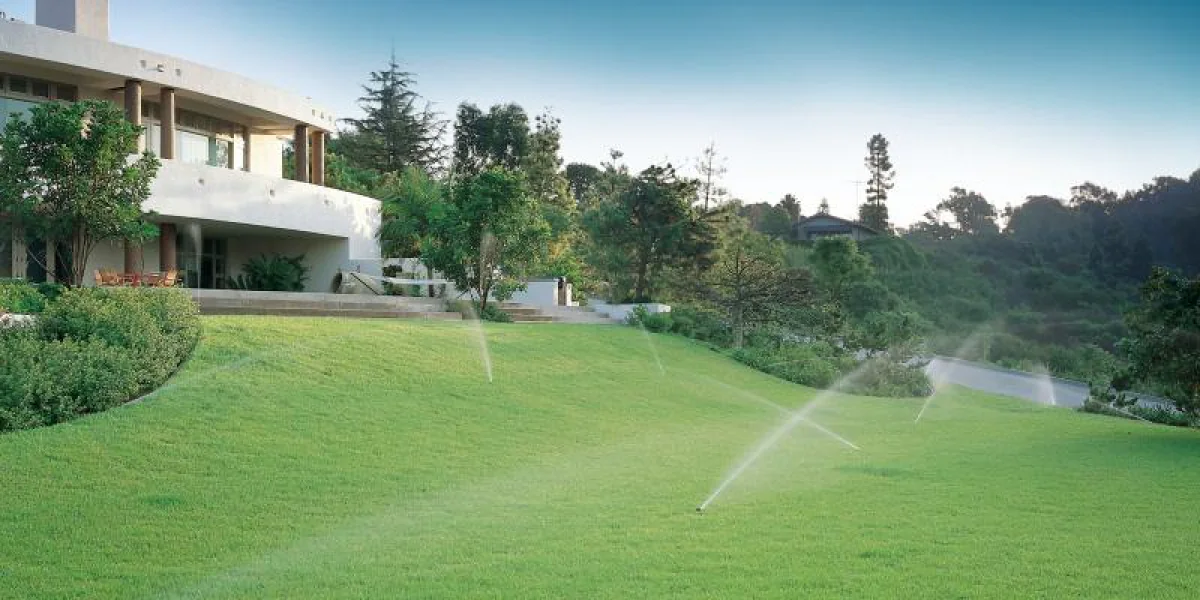
August is one of the toughest months of the year for Houston lawns. Long stretches of high temperatures, intense sun, and inconsistent rainfall can quickly stress even healthy turf. While many homeowners assume they simply need to water more often, the truth is that how you water matters just as much as how much.
Following the right lawn watering tips can help your grass develop stronger roots, better tolerate heat, and stay healthier throughout the hottest part of the summer. On the other hand, watering too frequently or not deeply enough can actually weaken your lawn and make it more susceptible to disease, weeds, and drought stress.
Here’s what every Houston homeowner should know about watering their lawn during August.
Why August Is So Hard on Lawns
Houston summers bring extreme heat, high humidity, and periods with little rainfall. During August, your lawn loses moisture quickly through evaporation and natural plant processes.
Even warm-season grasses like St. Augustine, Bermuda, and Zoysia can become stressed if they don’t receive enough water. Signs of drought stress include:
- Grass blades folding or curling
- Blue-gray or dull-colored turf
- Footprints remaining visible after walking across the lawn
- Dry or brittle grass
- Brown patches developing throughout the yard
These symptoms don’t always mean your lawn is dying. In many cases, they indicate your grass needs a better watering strategy.
How Much Water Does Your Lawn Need?
One of the most common questions homeowners ask is, “How much should I water my lawn in August?”
As a general rule, your lawn should receive approximately 1.5 to 2 inches of water per week. This total includes both irrigation and natural rainfall.
For example:
- If your yard receives 1 inch of rain during the week, you’ll only need to provide another 0.5 to 1 inch through your irrigation system.
- If no rain falls, you’ll need to supply the full 1.5 to 2 inches yourself.
Many homeowners accidentally overwater because they continue their regular sprinkler schedule even after significant rainfall. Keeping track of weekly rainfall can help you avoid wasting water while preventing overly saturated soil.
A simple rain gauge placed in your yard is an inexpensive way to monitor how much water Mother Nature provides each week.
The Best Watering Schedule for Lawn Health
Finding the best watering schedule for lawn health isn’t about watering every day.
Instead, water fewer days each week while applying enough water to soak the soil deeply. This encourages roots to grow farther into the ground where moisture remains available longer.
In most cases, watering two to three times per week is sufficient, depending on weather conditions, rainfall, soil type, and your irrigation system’s output.
If you’re unsure how much water your sprinkler system applies, place several empty tuna cans or rain gauges throughout the lawn during a watering cycle. Measure the collected water afterward to determine how long your sprinklers need to run.
Consistency is far more important than frequency.
Why Deep Watering Grass Works Better
One of the most effective lawn watering tips is practicing deep watering grass instead of giving your lawn a quick drink every day.
Deep watering allows moisture to penetrate several inches into the soil where the majority of turf roots grow.

Benefits of deep watering include:
- Stronger root systems
- Improved drought tolerance
- Better resistance to heat stress
- Reduced evaporation losses
- Healthier overall turf
Shallow watering keeps moisture only near the soil surface. As a result, grass develops shallow roots that dry out much faster
during Houston’s intense summer heat.
If your sprinkler system tends to create runoff before the soil absorbs the water, try using a “cycle and soak” approach. Water for a shorter period, allow the water to soak into the soil for 30 to 60 minutes, then resume watering until you’ve applied the desired amount.
Watering Lawns in Hot Weather
Many homeowners worry that watering lawns in hot weather will burn the grass. Fortunately, water itself does not scorch your lawn.
However, watering during the hottest part of the afternoon is inefficient because much of the moisture evaporates before reaching the root zone.
The ideal time to water is early in the morning, typically between 4:00 a.m. and 9:00 a.m.
Morning watering offers several advantages:
- Lower evaporation rates
- Better water absorption
- Less wind interference
- Grass has time to dry before evening, reducing disease risk
Avoid watering late at night whenever possible. While it may seem convenient, prolonged moisture sitting on grass blades overnight can encourage fungal diseases.

Watering Grass in Summer Doesn’t Mean Watering Every Day
One of the biggest misconceptions about watering grass in summer is that lawns need daily irrigation during extreme heat.
Daily watering usually provides only a small amount of moisture near the surface. Over time, this trains roots to stay shallow rather than growing deeper into the soil.
Instead, aim to provide the full weekly requirement of 1.5 to 2 inches through fewer, deeper watering sessions.
This encourages stronger turf that’s better equipped to handle Houston’s challenging summer weather.
A Houston Lawn Watering Schedule
Every yard is unique, but a typical Houston lawn watering schedule during August might look something like this:
- Water two or three mornings per week.
- Apply enough water during each irrigation cycle so your lawn receives a total of 1.5 to 2 inches of water for the week.
- Break watering cycles into smaller time increments to prevent runoff and allow the soil to absorb moisture more effectively.
- Subtract any rainfall from that weekly total.
- Adjust your schedule after heavy rain.
- Water deeply enough for moisture to reach several inches into the soil.
Your soil type, sprinkler system, shade, and grass variety will all affect exactly how long each irrigation cycle should run.
If your lawn contains both sunny and shaded areas, you may also need to adjust watering times by zone.
Don’t Forget About Rainfall
Rainfall should always be included when calculating how much water your lawn receives.
Houston weather can change quickly. One neighborhood may receive a heavy afternoon thunderstorm while another stays completely dry.
Rather than sticking to the same sprinkler schedule every week, monitor rainfall and adjust accordingly.
This not only conserves water but also helps prevent common problems associated with overwatering, including:
- Root rot
- Fungal diseases
- Increased weed growth
- Poor root development
- Excessive runoff
Remember, your goal is approximately 1.5 to 2 inches of total water each week—not 1.5 to 2 inches plus rainfall.
Signs You’re Watering Correctly
A properly watered lawn should show several positive signs:
- Grass springs back after walking across it.
- Turf maintains a healthy green color.
- Soil is moist several inches below the surface.
- Roots grow deeper over time.
- Fewer drought stress symptoms appear during hot weather.
If your lawn still struggles despite proper watering, another issue may be affecting its health, such as insect damage, compacted soil, nutrient deficiencies, disease, or irrigation coverage problems.
Watering Alone Isn’t Enough
While proper irrigation plays a major role in lawn health, watering is only one piece of the puzzle.
Healthy Houston lawns also benefit from:
- Regular fertilization
- Weed control
- Insect management
- Proper mowing height
- Sharp mower blades
- Healthy soil
All of these factors work together to create thicker, greener turf that’s more resilient during Houston’s hottest months.
Let GreenGate Help Your Lawn Thrive
Even with the best watering habits, summer can be hard on your lawn. If your grass is struggling with heat stress, weeds, insects, or thinning areas, GreenGate Turf & Pest can help.
Our lawn care specialists understand Houston’s unique climate and know how to keep St. Augustine, Bermuda, and Zoysia lawns looking their best throughout the growing season. Whether you need fertilization, weed control, insect treatments, or a professional evaluation of your lawn’s health, we’re here to help.
Contact GreenGate Turf & Pest today to schedule a lawn evaluation and let our experienced team help your yard stay healthy, green, and beautiful all summer long.